

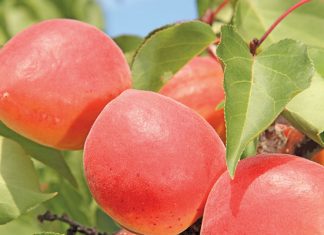
Carmingo apricots breathe new life into Koo Valley
The arrival of Carmingo apricot varieties enables producers to generate up to three times more income per season than with traditional varieties. Glenneis Kriel spoke to Pierre Burger and Sam Sieberhagen, two successful farmers in the Western Cape.
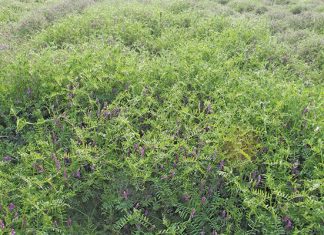
Using cover crop mulch
In many regions, there is a limited choice of crops that can be grown in a particular season. This provides an ideal opportunity to plant a cover crop to keep the soil organisms active and provide material for humus formation.
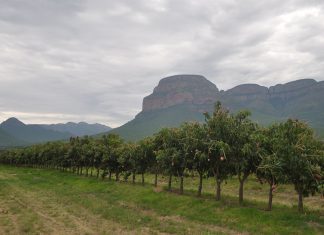
Award-winning mango producer says 100t/ha is possible
Jaco Fivaz, farm manager of Mohlatsi farm in Limpopo, is a pioneer of high-density mango orchards, which achieve a greater yield per hectare than conventional orchards. Pieter Dempsey visited this award-winning grower to find out more about his passion for experimentation, and how he manages a diverse mango business.
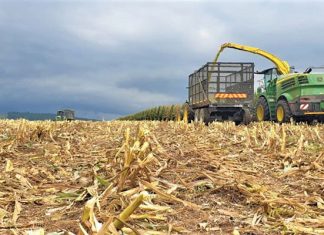
Getting a silage maize crop into the bunker chop-chop
In terms of its cost-benefit ratio, silage maize is arguably the best-value stored green feed for milk production systems in the KwaZulu-Natal Midlands. However, to maximise the nutritional quality and quantity of this crop, it is important to harvest and handle it at the correct time and in the correct way.
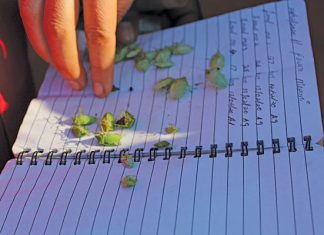
Bats: the answer to macadamia pests?
Despite being well known for their pest control abilities, bats remain understudied and misunderstood, and their numbers have been on the decline for various reasons. Now research is showing that these mammals may be invaluable to macadamia farmers, whose pest control costs are rising while their nut quality is dropping. Lindi Botha spoke to Dr Valerie Linden about bats’ potential to save the industry millions of rands.
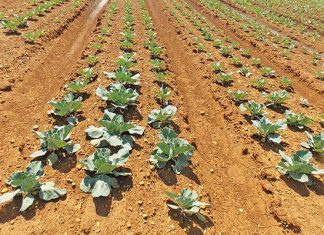
Solve those crop problems yourself, and save thousands!
Find something wrong with your crop? Go through the planting and fertilising processes step by step on your own to see whether you can determine the cause. There’s a good chance you can, says Bill Kerr.
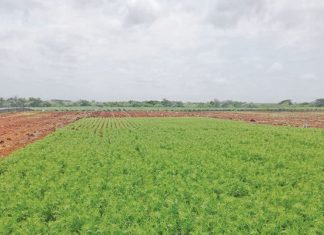
Vegan demand presents new opportunities for marginal sugar farmers
North American yellow field peas could be a lifeline for struggling sugar cane farmers. As an ingredient in tasty meat-replacement products, the future of this relatively unknown crop looks bright. Mark Hassenkamp, chief agriculture operations director at global plant-based food company LiveKindly, spoke to Lindi Botha about the advantages of yellow field peas over sugar cane, and why the crop is also superior to soya beans.
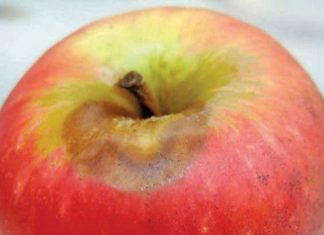
Controlling fungus on Cripps Pink apples
A recent study of the effect of two pesticides on Phylctema vagabunda, a fungus that causes significant post-harvest losses of the Cripps Pink apple cultivar, revealed interesting results. Dr Alana den Breeyen and Dr Julia Meitz-Hopkins explain.
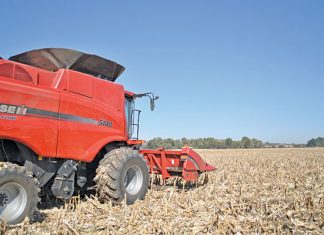
Climate-proof, no-till crop production in the maize triangle
Cocky Mokoka has been farming since 2007, but only started incorporating conservation agriculture principles to improve his soil in 2015. He spoke to Pieter Dempsey about the practices he implements on his 740ha farm.
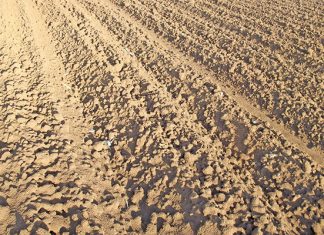
Know when your soil is ready!
It’s always a good idea to get soil fertility in balance by providing enough fertiliser and, perhaps, organic matter, but treating the soil well is also very important.
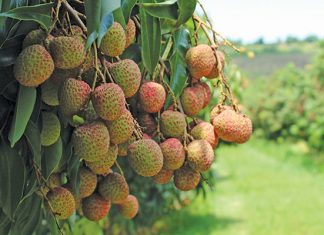
Careful management pays off for litchi grower
While many litchi producers in Hazyview, Mpumalanga, have chosen to exit the industry, Pieter Luus continues to run a successful operation. He explains to Lindi Botha what it takes to stay in the game, and how he balances the pros and cons of growing this challenging crop.
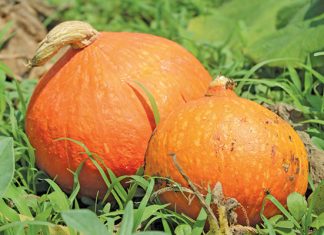
New pumpkin variety set to make inroads into high-end market
The demand for convenient meals and easy-to-prepare vegetables is opening up marketing opportunities for the Hokkaido pumpkin, a newcomer to South Africa. Small, and with an edible peel, the variety holds much promise for expanding cucurbit cultivation. Lindi Botha spoke to Francois Steyn about farming the Hokkaido.
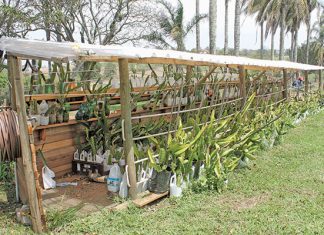
Dragon fruit: a weapon to fight food insecurity
With hunger and food insecurity a reality for thousands of South African households, any effort to reduce this problem should be welcomed. Retired business owner Frikkie Adams is convinced that dragon fruit is ideal for growing at home, as its high nutritional content can benefit families. He showed Lloyd Phillips his experiments at propagating the plant.
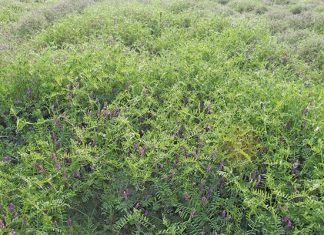
Nurturing the unseen life in soil
When we walk across a land, we are unaware that the soil beneath our feet is teeming with life. It is difficult to quantify the tonnage of organisms present but it can run into 6t/ha or more.
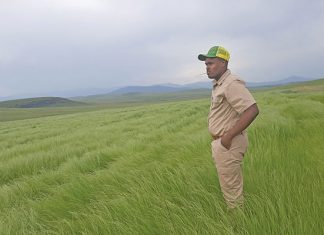
Helping small-scale farmers reach commercial status
Sinelizwi Fakade is a successful grain farmer in the Eastern Cape, but it is his passion for helping small-scale and subsistence farmers improve production that makes him particularly compelling, says Pieter Dempsey. He spoke to Fakade about his farming operation and his role in mentoring future farmers.
Is small-scale farming really viable?
Under the free market system, entrepreneurs engage in their activities within the boundaries of the law and make as much money as possible.
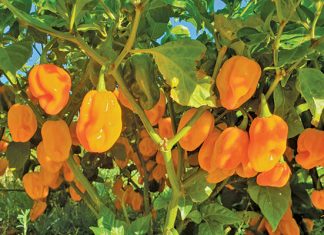
Chillies: a hot crop if you know what you’re doing
Diversifying with chillies has enabled Klein Karoo stone fruit farmer JD van Deventer to increase cash flow, use orchard space more efficiently, and mitigate the climate- and market-related risks associated with fruit production. He spoke to Glenneis Kriel.
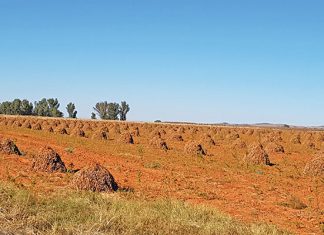
The basics of growing groundnuts on a small scale
Groundnuts are high in protein, tasty, and a convenient and popular food. All of this makes them a potentially valuable source of nutrition in rural communities. Growing and selling them can also earn much-needed income. Loureine Muller, a groundnut agronomist at commodity trading company Triotrade, explains how to produce this crop.
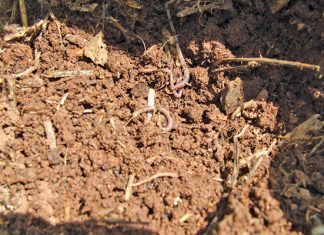
No-till: better soil at less cost
One sure way of reducing soil degradation is to cut down on tillage. Numerous crops can be grown using the no-till approach, and many farmers who have done so will testify that it cuts costs and improves rain penetration in the soil.
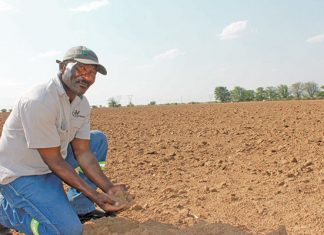
Maize growing tips from a top new commercial farmer
Paulus Mosia from Edenville, Free State, a finalist for the 2019 Grain SA/ABSA/JohnDeere Financial New Era Commercial Farmer of the Year award, says that by using better inputs and improving production management, he increased his maize yield from 3,2t/ha to 5,2t/ha in just one year.
- ADVERTISEMENT -
- ADVERTISEMENT -
MUST READS

- ADVERTISEMENT -



