
Latest articles
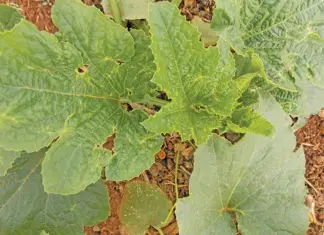
Fertilising cucurbits: how much to apply and when to do it
Fertiliser is expensive, so it’s important to start with a soil analysis, and to get the balance right, says Bill Kerr.

Minor cucurbit pests
Bill Kerr looks at the leaf miner, cucurbit ladybird beetle and African bollworm, all of which, despite being minor pests, can cause damage.vd

Dealing with weeds in cucurbits
Uncontrolled weeds can rob pumpkins and other cucurbits of the nutrients they need for a good yield. Yet weeds can also protect pumpkins at a later phase in their growth, says Bill Kerr.

Defeat Liriomyza leaf miner without paying a cent
Leaf miners are a serious threat to tomato plants. Yet tiny parastic wasps are on hand to help bring their numbers down. All it requires is a bit of patience from farmers, says Bill Kerr.

Cucurbits: A fascinating history of cultivation for over 11 000 years
These much-loved vegetables, which are technically fruits, were among the earliest cultivated crops in the world, says Bill Kerr.

Cucurbit planting strategies
To ensure a successful crop, it’s crucial to plant out the seedlings at the optimal time. Getting it wrong may prove expensive, says Bill Kerr.

The pros and cons of tunnel tomatoes
Growing tomatoes in tunnels is not as easy or affordable as some people think. Do your research before committing yourself, cautions Bill Kerr.

Bacterial wilt: a threat in tropical and subtropical areas
Once bacterial wilt has infected tomato plants, there is no way to stop its spread. Prevention is the only option, says Bill Kerr.

Taking care of tomatoes after transplanting
You can save money by scouting your tomatoes regularly and catching diseases and pests such as African bollworm early, before they establish a bridgehead in your crop, says Bill Kerr.

How to identify and control eelworm
Potatoes are vulnerable to eelworm, which can significantly reduce yield and create unsightly marks on tubers, says Bill Kerr.

Understanding a tomato seedling’s instincts
Plants are programmed to fight for survival in the competition for nutrients and light. To get the best fruit out of a tomato plant, for example, you have to fool it, says Bill Kerr.
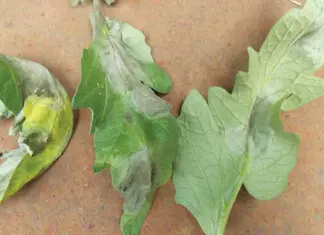
The most destructive disease of potatoes
Late blight can strike so rapidly and spread so fast that by the time you notice it, the damage has already been done, says Bill Kerr.
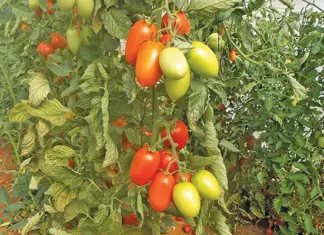
Read this before growing tomatoes
Tomato production can be highly profitable, but you need to choose your tomato type and cultivar with care, says Bill Kerr.

Planting and harvesting potatoes
Potatoes are grown from disease-free seed potatoes, require a lot of fertiliser, and are labour-intensive. All of this costs plenty, warns Bill Kerr.

The good and the bad of chimera
Chimera can be mistaken for a viral or bacterial infection, but it is actually a genetic disorder that could benefit some producers.

Award-winning veggie farmer on why she left the boardroom to take up farming
As a new producer with no prior knowledge or experience of farming, Vutlhari Chauke of VT Harvest has leaned heavily on her business skills and her willingness to learn. Her approach is paying dividends for her Gauteng-based vegetable and herb farm.

Don’t be too hasty to throw away old seedlings!
It’s expensive to throw away perfectly healthy seedlings. Rather keep them in limbo until you can plant them, says Bill Kerr.

Regenerative agriculture: “We learn from pioneers and our own mistakes”
Gert Janse van Rensburg produces vegetable crops on the family-owned farm, Langplaas, in North West. He spoke to Pieter Dempsey about the regenerative farming techniques he employs.

The pros and cons of drip irrigation
Drip irrigation saves water and electricity, but is not suitable for all crop types. So make sure you end up with the right system, says Bill Kerr.

Reducing water loss from soil
There are various ways to ensure that soil loses as little water as possible. These include plastic sheeting to cover the soil, the use of mulch, and loosening the soil.