Farming is a tough business, so many farmers and/or their spouses are always looking for ways to earn something extra. Sometimes, where products do sell well, the profits are skimmed off by a curio gigolo who monitors the day’s business from the comfort of his big BMW parked under in the shade of a tree.
Here are some examples:
- Youths who make wire cars complaining they cannot sell them because there’s not enough tourist traffic;
- An excellent seamstress who makes outdoor sports jackets with a bush theme trying to cut costs by making only small sizes to save on cloth;
- Field guides who have been trained to identify veld plants losing their skills because they have never been invited to accompany visitors on hikes;
- A group of jewellery makers complaining that while they have the necessary machines (donated by a mining company) they have run out of raw materials;
- Wood carvers getting into trouble with the law for using protected species.
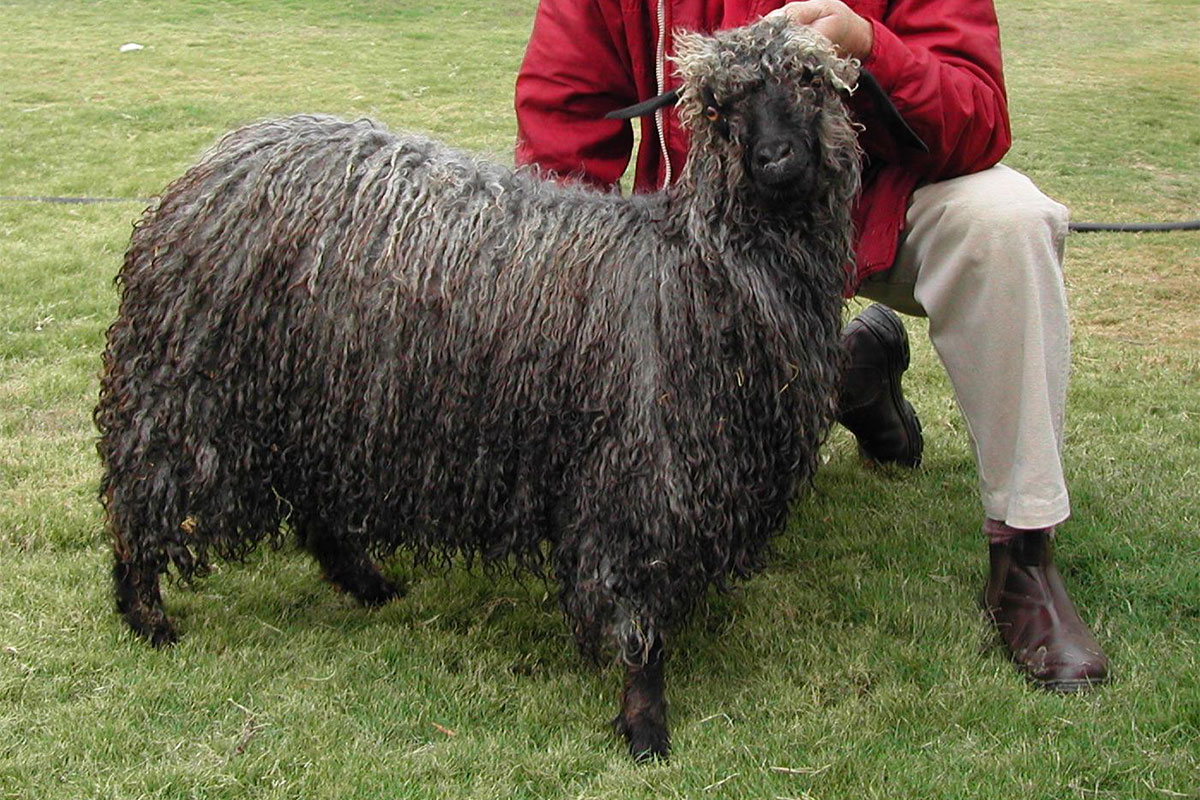
Clearly you need to think of a unique idea after some careful research into the business principles of arts and crafting. Natural, undyed fabrics made from wool and mohair is a viable trade in the USA and Great Britain, where hobbyists breed angora goats and sheep with coats that vary in shade from yellow to blue. Black and brown are also popular.
The selling point is that while dyes pollute water sources and that some people are allergic to them, natural-coloured fibres are safe for babies. Of course, coloured fibres in the formal wool and mohair trade are definite no-no’s because they blemish the final product. Merino sheep and Angora goats have been bred for centuries for whiteness. Apparently, there is no demand for undyed fibres in South Africa yet.
Sustainable ventures
Everything about your venture should be sustainable – from tourist volumes to the supply of raw materials and necessary equipment, The market is getting more sophisticated and no-one wants to buy trash, but recycled, functional stuff is in. You can also consider toys or décor made from locally grown natural products such as seed pods.
Of course, nobody wants items made from endangered plants or animals. But even the experts can be wrong about what would sell best. A tall wood carving of a giraffe could be more popular than smaller, easy-to-pack items that have the tourist’s suitcase in mind. Expect about 40% of the goods to be bought by foreigners.
Some marketing experts say the idea that the handcraft trade benefits rural communities living in or near tourist destinations is nothing more than a powerful illusion, and that tourism traffic is totally overrated as a money-spinner. Even where tourists do spend a lot, the money does not always trickle down to the communities.
Turnover is seasonal
Visitors simply don’t spend all that much on handmade curios. To make matters worse, turnover is seasonal and hampered by a lack of variety. Stall upon stall exhibit the same range of goods. The similarity of the articles currently on offer is certainly not due to a lack of creativity. People living on the breadline cannot afford to take blind risks. Rather than experimenting with a new product, they make things they know will sell.
Another problem is that rural communities do not have the capital to start or run a business that attracts tourists – who expect certain comforts when traveling. Mud huts are fine if there is electricity and running water. They want to be sure the food they buy is safe to eat.
While they may come for a genuine South African experience, they do not want to suffer discomfort for too long. So, they tend to prefer day trips to exotic and scenic places from where they can return to the comforts of a luxury resort. Rural entrepreneurs must compete with big business that has the money and know-how to attract and entertain tourists.
Money earned is often not enough for the basic needs of full-time crafters. About half of all money made in this way goes towards buying food. Nearly a third of the money goes towards transport to get to and from the market; another chunk goes towards schooling, leaving just 2% of the income to plough back into the trade. Few make a profit.
But the rural curio industry can be viable. To establish a good trade, you must look at marketing and distribution over a wider area. Some years the art market and interior decor is more profitable than ordinary curios, but these sectors require more complicated manufacturing techniques, particularly the finer-woven products.
Local people do have untapped skills; it’s just that making things takes up a lot of time. But it can be done.