Vegetation classification
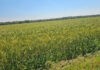
The main drivers in savannas and grasslands include bottom-up (rainfall, geology, soil) and top-down variables (management, for example water provision, animal numbers, feeding types, fire). Vegetation classification is vital for veld monitoring and management. It identifies plant communities and their condition, enabling precise assessment of forage availability and quality.
Classification also aids in tracking changes, identifying degradation patterns, and directing restoration efforts. Furthermore, it supports biodiversity conservation by highlighting key habitats and species. It provides insights into the ecosystem’s structure, function and dynamics, helps in identifying species composition, understanding ecological interactions, and determining production potential. By classifying vegetation and adapting grazing strategies, managers can better address overgrazing, system stress, habitat loss, and climate change, ensuring the sustainability of resources for future generations.
Geology and soils
Geology and soils are fundamental drivers shaping the structure, composition, and function of the veld. They influence vegetation patterns, productivity, and ecosystem services. The relationship between water and nutrient availability is largely soil-dependent and competition between plants for resources, yielding production and quality, influences patterns of herbivory and fire. The parent rock strongly influences grazing and browsing management.
Both geology and soils therefore interact with climate and biological factors, shaping the ecological characteristics of the landscape. Soil nutrient content and pH and moisture retention govern which plant species can thrive. Grazing pressure impacts plant cover and standing biomass with selective grazing, non-selective grazing, under-grazing, and overgrazing leading to differences in composition, cover, standing crop, and plant quality.
Climate change
Droughts favour drought-resistant species, while wetter conditions support a wider range of species, particularly those that require more moisture. Similarly, in savannas, changes in rainfall can alter the balance between grasses and woody plants, affecting the dominance of tree species and ecosystem structure and function. Altered rainfall and increased temperatures can lead to changes in soil organic matter, reduced fertility, and greater susceptibility to erosion. Such changes degrade soil quality, reducing its ability to support vegetation and store carbon.
Climate change will drive shifts in vegetation zones, transforming grasslands into savannahs and savannahs into thickets. Changes in temperature and rainfall patterns may lead to encroachment of woody species, altering ecosystem structure and function. These shifts will impact biodiversity, forage availability, and habitat suitability for wildlife, particularly grazers.
Altered climate conditions, with higher temperatures and longer dry periods can increase the frequency and intensity of wildfires. While much of the veld is adapted to periodic fires, excessive or altered fire regimes can lead to loss of critical components of the vegetation, changes in plant community composition and reduced soil health. Fire also impacts wildlife habitats and contributes to the release of stored carbon – an essential process for the release of nutrients from some species.
Climate change influences forage availability, grazing patterns and wildlife populations. Shifting wildlife habitats and migration patterns further disrupt rangeland ecosystems, affecting species interactions and ecosystem services. In smaller fenced areas, restricted movement limits access to alternative food and water sources, intensifying competition, potential overgrazing, and mortality. This can speed up habitat degradation and reduce biodiversity.
In large or unfenced areas, animals can migrate to find better resources, easing pressure on vegetation. However, drought stresses populations, disrupting migration patterns and causing localised overgrazing. Declines in herbivores also affect predator populations which have less prey.
Tree-grass interactions and bush encroachment
Africa’s veld is adapted to periodic disturbances and wild animals are a key component of this. Grazers and browsers contribute to both preventing and triggering the encroachment of woody plants. The interactions between herbivores and plants in these ecosystems also contribute to biodiversity. Grazing pressure creates a mosaic of different plant communities, which supports a variety of feeding types and grazing and browsing systems.
‘Favourable’ tree/grass interactions are obvious with higher grass production beneath trees due to shade and leaf litter, fruits, and pods, which provide nutrients and decrease the splash effect of rain. Productive grasses such as buffalo grass (Panicum maximum) are closely associated with the trees. While grass production does not necessarily decline with an increase in woody plant density there is a point at which excessive competition by an increasingly dense tree layer and shading out of these palatable, productive species will occur.

The balance between trees and grasses is crucial, and bush encroachment, driven by reduced fire frequency, artificial water and overgrazing, can lead to permanent shifts in the landscape. Where woody plants outcompete grasses, plant cover declines and the composition of the plant community is altered, reducing forage available for grazers. Thick bush layers are poor replacements for grass, particularly in grazer-dominated systems, prevalent in wildlife areas. Man-induced changes in are often irreversible unless at great cost.
A thickening of woody species, particularly in areas where grazers and mixed feeders like impala dominate, causes a weakening of the grass layer, resulting in reduced root growth, decreased grass production, exposure of the soil and reduced litter, potentially increasing rainfall impacts, soil temperatures, run-off, and erosion while lowering soil organic matter and infiltration. Infiltrating water can percolate to soil depths out of reach of grasses. Hot fires, which have the greatest effect on susceptible woody saplings, become less frequent due to the weakened grass layer and the woody component is promoted.
Water provision
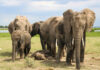
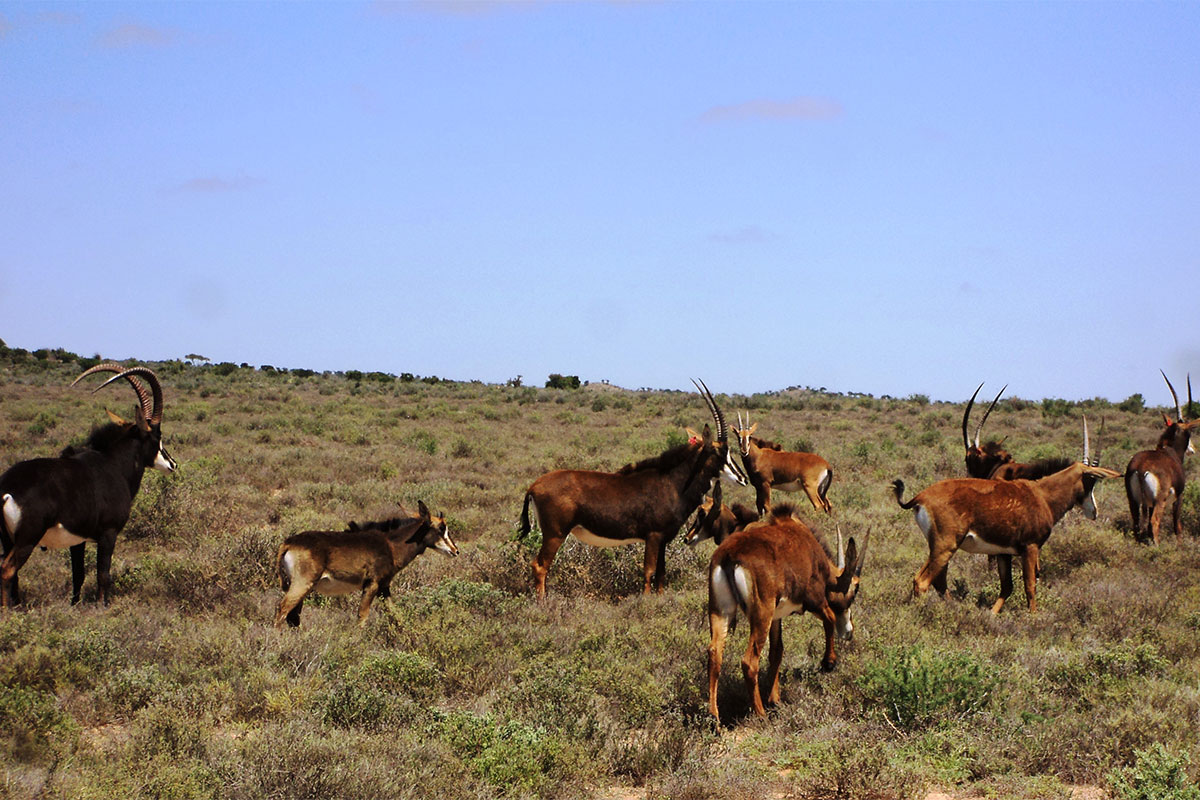
In smaller areas, where little or no migration is possible, vegetation that was naturally rested for part of the year becomes over-utilised by sedentary, often unchecked, animal populations. Type 1 herbivores such as zebra, elephant, white rhino, and buffalo can bring changes to vegetation which adversely affect, previously relatively abundant, poorer competitors such as sable, roan and tsessebe (Type II herbivores).
Providing artificial water year-round attracts more water-dependent species like blue wildebeest and impala, which exploit vegetation altered by elephant, buffalo and zebra, driving it past the point that would have resulted from use by the former species alone (Type III herbivores). Type IV herbivores are generally browsers and may increase due to changes brought about by Type I and Type III species, but have little impact on the vegetation.