

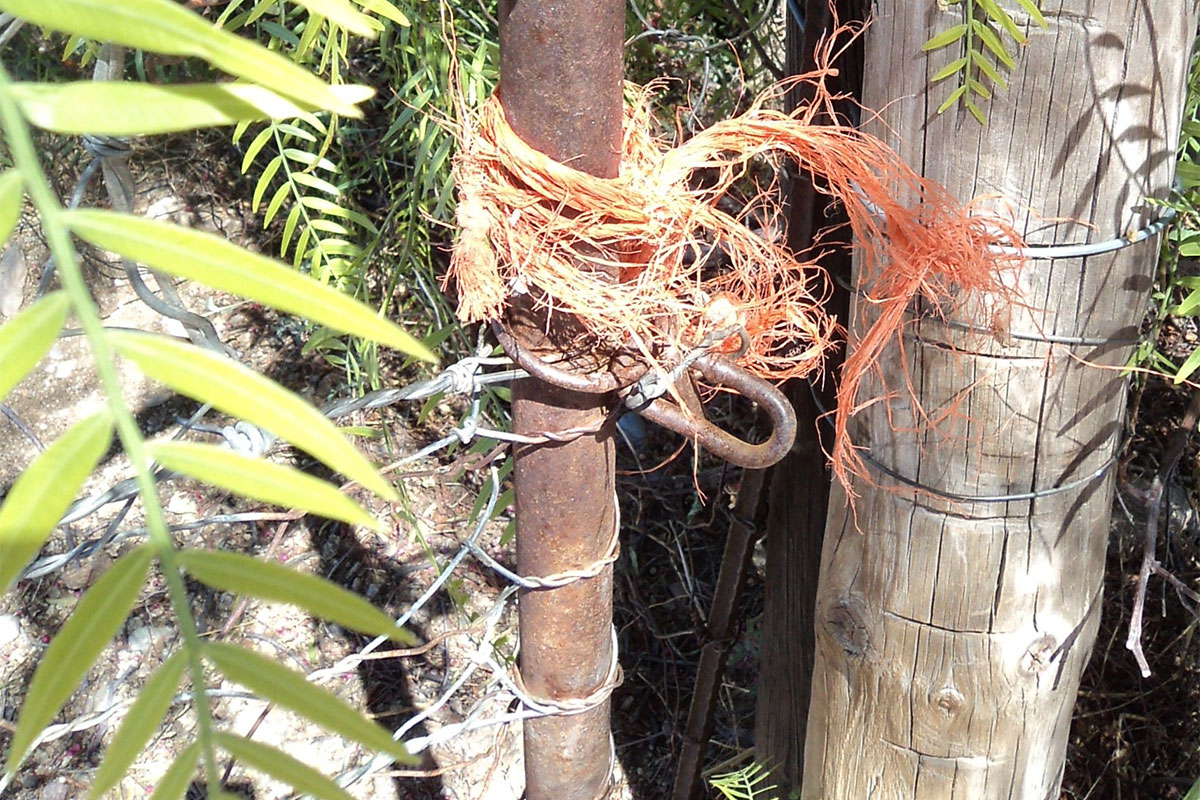
Contaminants cannot be easily removed from mohair during processing because, when it is combed and spun, these materials become entangled with the natural fibres, causing defects in the yarn and finished products. This leads to quality downgrades and financial losses, warns Mohair South Africa.
Plastic bale twine presents an additional problem in that it is non-biodegradable and can damage processing machinery, resulting in production delays and increased costs for manufacturers.
Farmers and farmworkers are urged to do all they can to prevent contamination. This includes sealing bales and bags according to recommendations, keeping shearing sheds clean, and thoroughly inspecting lots before baling.
By keeping fleeces absolutely clean, producers not only protect the quality of South African mohair but also uphold the industry’s international reputation.



