

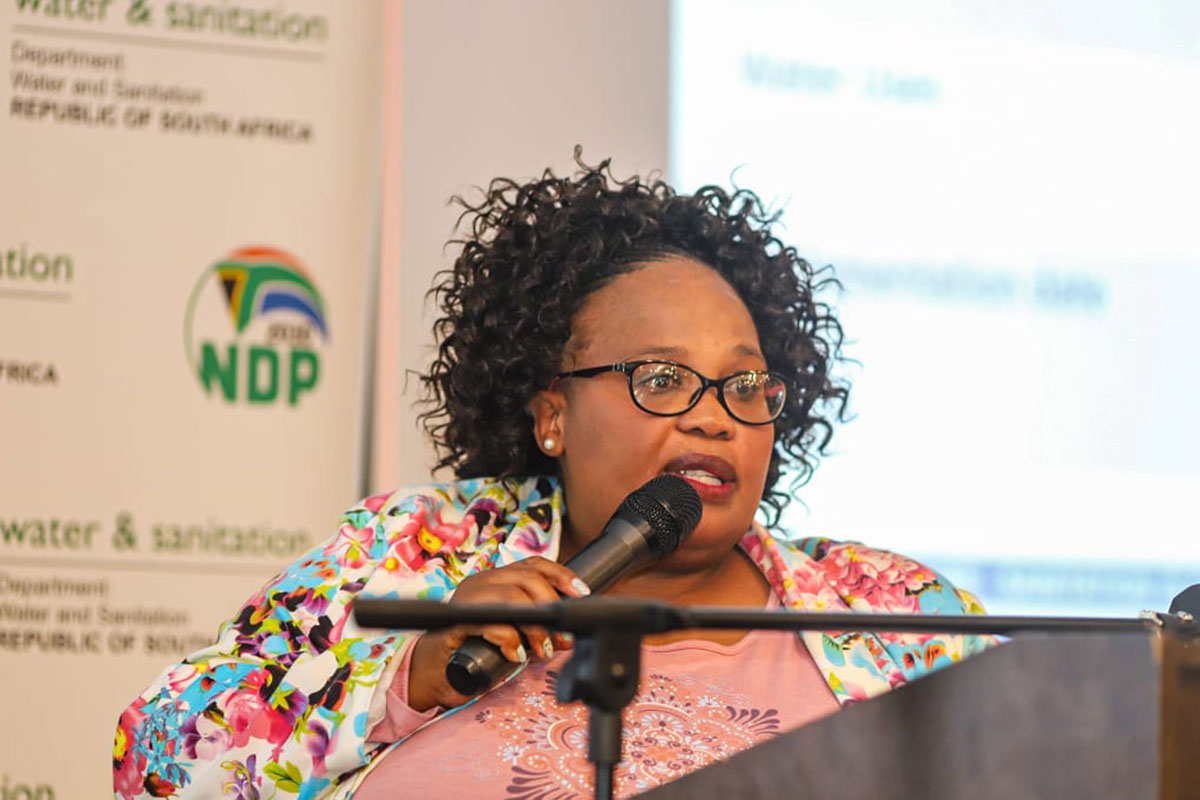
Speaking to Farmer’s Weekly, Raquel Nosie Mazwi, director of mine and industrial water quality at the Department of Water and Sanitation (DWS), said the department is targeting August or September 2026 for the finalisation and gazetting of the regulations.
Farmers and other stakeholders were initially given 60 days to submit comments on the proposed groundwater regulations, but Mazwi explained that the timeline had to be adjusted to accommodate delays in the process and late consultations with certain sectors.
Even so, the issues raised through the public participation process still have to be individually assessed and analysed, which could further affect the timeline.
“We’re still capturing the comments, which includes bringing in specialists to respond to specific issues,” Mazwi said, adding that it is “a very labour-intensive process to capture all the comments and agree on the changes that need to be made to the regulations”.
The delay comes amid growing interest in how the regulations could affect agricultural groundwater users.
Although South Africa’s Groundwater Management Strategy was finalised more than a decade ago, the country has never had a dedicated regulatory framework governing groundwater management. The proposed regulations are intended to address this gap.
Expanding groundwater user database
According to Surina Esterhuyse, associate professor at the University of the Free State’s Centre for Environmental Management, the DWS, as custodian of the country’s water resources, maintains the National Groundwater Archive, which contains almost 300 000 records of geosites, most of them boreholes.
However, she noted that many more boreholes are believed to exist than are officially recorded, with an estimated 80 000 to 100 000 new boreholes drilled annually.
While the DWS has records of groundwater users operating under water-use licences, general authorisations, and existing lawful-use provisions, it lacks reliable information on many smaller users, particularly household boreholes and other Schedule 1 users who currently do not have to register their groundwater abstraction.
Esterhuyse explained that an accurate database on groundwater users and abstraction volumes would “give a sense of the cumulative effect” of groundwater use across the country and is fundamental to the protection and management of the resource.
“All we want is for you to tell us where your borehole is, who your driller was, and how much water you are taking out,” she added.
Addressing organised agriculture’s concerns
Addressing one of organised agriculture’s key concerns, Mazwi sought to reassure existing groundwater users that the regulations will not be applied retrospectively.
She explained that existing lawful groundwater users will not be required to remove boreholes or discontinue activities that are already authorised. Instead, the regulations will largely apply to future groundwater developments, although the usual information requirements will still apply to existing users.
This distinction is particularly relevant to concerns surrounding the proposed 5km buffer zones around strategic groundwater resources, with Mazwi stressing that these areas are classified as restricted rather than prohibited zones.
In practice, this means new developments within such areas may still be considered through the water-use licensing process, provided that applicants can demonstrate through scientific studies that the proposed activity will not negatively affect the aquifer or groundwater resource concerned, she explained.
Mazwi also drew a distinction between the likely impact of the regulations on established commercial producers and smaller or emerging farmers. She argued that many commercial operations are already complying with requirements reflected in the draft regulations through existing licensing and authorisation conditions, including metering groundwater abstraction, maintaining records, and providing such information to the DWS.
For this reason, she said the regulations are unlikely to impose significant additional burdens on many established commercial farmers but will have a greater impact on groundwater users who have historically operated outside licensing or registration systems.
“It will be a burden on small farmers who may not have operated under a general authorisation or a water-use licence,” she acknowledged.
Although Mazwi did not indicate what changes, if any, might ultimately be made to accommodate emerging farmers, she did confirm that the DWS has received substantial feedback on the proposed water-quality testing requirements, adding that this concern will be considered during the finalisation of the regulations.
Regulations aimed at improving groundwater management
On broader concerns relating to food production and food security, Mazwi said the regulations are unlikely to have a significant effect on production costs, as many existing commercial groundwater users already meet current regulatory requirements.
She noted that in the longer term, the regulations are intended to support the sustainable management and protection of strategic groundwater resources, including municipal well fields and the aquifers on which they depend, rather than impose an additional compliance burden on water users.
The DWS’s ultimate goal is to develop a clearer picture of groundwater abstraction across the country, improve its understanding of Schedule 1 water use, and strengthen the protection of groundwater resources critical to a sustainable public water supply, Mazwi concluded.