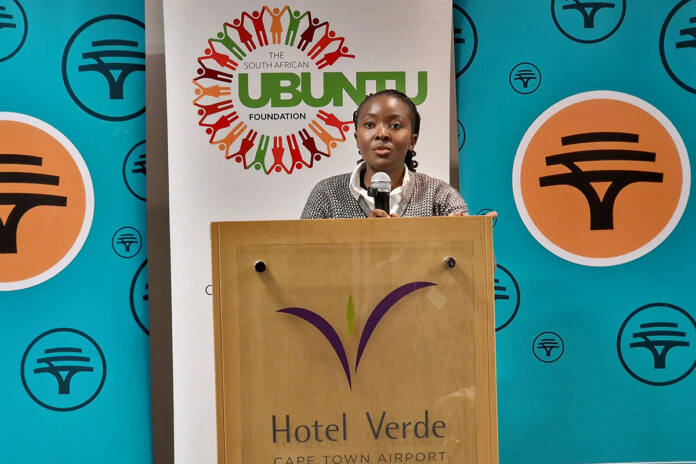
According to Mamello Matikinca-Ngwenya, chief economist at FNB, the sector is forecast to show solid growth despite rising risks, including geopolitical tensions linked to the war in Iran and adverse weather conditions.
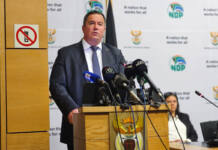
She was the keynote speaker at a business breakfast hosted by the South African Ubuntu Foundation and FNB at Hotel Verde in Cape Town, Western Cape, on 11 June. The foundation brings together business and community leaders to promote collaboration and share insights on economic and social challenges in South Africa.
“We take an optimistic view on agriculture. Of course, there are risks, particularly around fertiliser costs and weather, but we do expect the sector’s growth rate to remain relatively promising,” she said.
Matikinca‑Ngwenya also noted that producers began the year in a relatively favourable position, supported by moderate food inflation and adequate stock levels. However, she said this outlook is expected to be somewhat tempered as global input costs begin to filter through into production.
“Food inflation has been relatively moderate so far, but there are growing concerns around global fertiliser costs. Farmers entered the year with good stock levels, but those costs will impact the next planting season, creating upside risks for food inflation throughout 2026 and into 2027,” she said.
Beyond input costs, Matikinca‑Ngwenya highlighted rising fuel prices, which are expected to drive up transport and logistics costs across the economy. This has direct implications for agriculture, which relies on efficient road and port logistics to move perishable goods to markets and export locations.
Logistics inefficiencies remain a key structural constraint, with Matikinca‑Ngwenya pointing to ongoing reform efforts under government’s Operation Vulindlela programme, which aims to improve performance in network industries such as rail, ports, electricity, and water. These are critical infrastructure systems that the agriculture sector relies on for inputs and exports.
“If we want to unlock growth, we need to deal with logistics constraints, particularly rail, so that high-volume goods are not forced onto road transport. Fixing those network industries is critical to enabling investment and improving the ease of doing business,” she said.
Economic outlook steady, but inflation risks rise
On a broader level, Matikinca‑Ngwenya said South Africa’s economic outlook remains relatively stable, supported by improved investor sentiment earlier in the year, a resilient rand, and signs of fiscal consolidation. However, rising global uncertainty and higher oil prices are expected to weigh on growth and inflation.
Looking ahead, she warned that inflation risks remain skewed towards the upside as higher fuel and input costs filter through the economy, with implications for borrowing costs across the agricultural value chain.
“The key focus for the Reserve Bank is to anchor inflation expectations. Once those shift higher, it feeds into actual inflation and ultimately higher interest rates,” she said.
While inflation is expected to rise in the short term, Matikinca-Ngwenya said it should start to moderate over the medium term, with policymakers aiming to stabilise it closer to the 3% target.