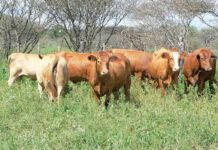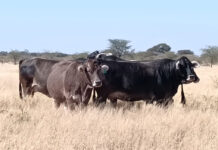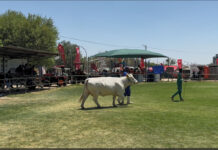
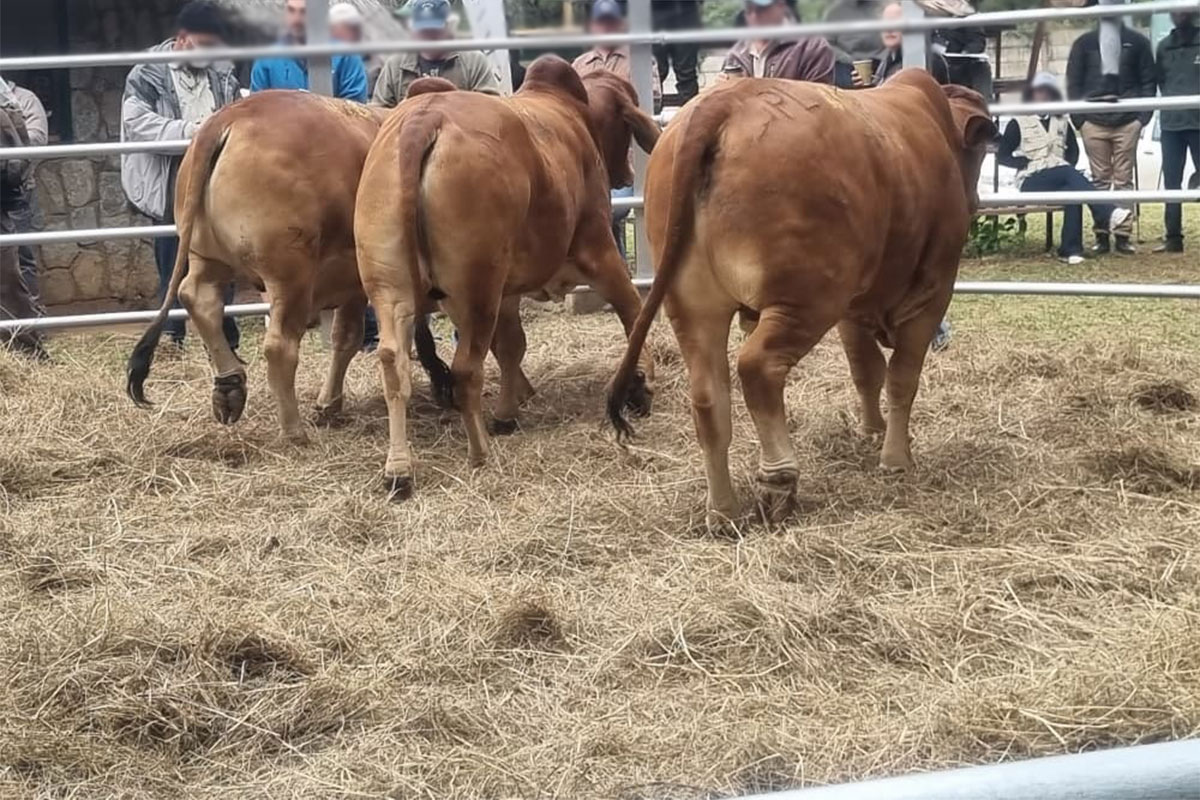
With cattle sidelined by FMD, the 115th edition of the show, which ran from 22 to 26 April, focused on small-stock, including goats and sheep, value addition, and increased participation by youth farmers.
Larry Mukombwe, Bulawayo Agricultural Society (BAS) vice-president, said, “Despite the challenges posed by FMD, which affected our displays and exhibits in the cattle section, the show was a success.”
Youth farmers lead the charge
Grace Sibanda, a 31-year-old poultry farmer from Ntabazinduna near Bulawayo, won five prizes at the show during her debut with Buff, Black, and Splash Orpington chickens.
Speaking to Farmer’s Weekly, she said she chose poultry over cattle because the industry requires less land and offers faster returns.
“These [chickens] are pure breeds, so you can breed with them to have so many amazing chickens on your farm. And they are good egg layers. On average, we are talking about 220 eggs per hen per year. They also are large in terms of weight, which means in terms of meat, they are also good,” she said.
She said that, on average, cocks weigh between 5,8kg and 6kg each, while hens weigh between 4,2kg and 5kg.
Aside from meat and egg production, Orpingtons are also ornamental. “We have clients who buy them as pets,” Sibanda added.
“So many people are now producing broilers, and some are producing indigenous birds, so I was inspired to venture into exotic chickens because there was a gap in the market.”
In the sheep and goat section, Xolisani Mpofu of Eland Zakithi Goat Stud took the Grand Champion prize with his nine-month-old Meatmaster ram lamb, bred from animals imported from South Africa.
Mpofu, who is in his early thirties, breeds sheep and goats in Matabeleland North, Zimbabwe, and North West, South Africa. He attributed his success to good genetics.
“I urge all farmers around the country and in the region to farm with the right genetics. We believe South Africa has the best genetics.”
Adding value
Muziwanele Ncube, chairperson of Deep Plough, a 16-member urban agricultural co-operative, said they were formally invited by the BAS to speak at the show’s Farmers Indaba.
He said their contribution focused on practical value addition through solar drying technologies, demonstrating how farmers can reduce post-harvest losses, extend product shelf life, and access higher-value markets.
“From a strategic standpoint, the show delivered tangible outcomes. Deep Plough established critical market linkages across the agricultural value chain, built a targeted database of stakeholders interested in both solar dryers and capacity-building training, and heightened awareness around mitigating post-harvest loss,” Ncube added.