
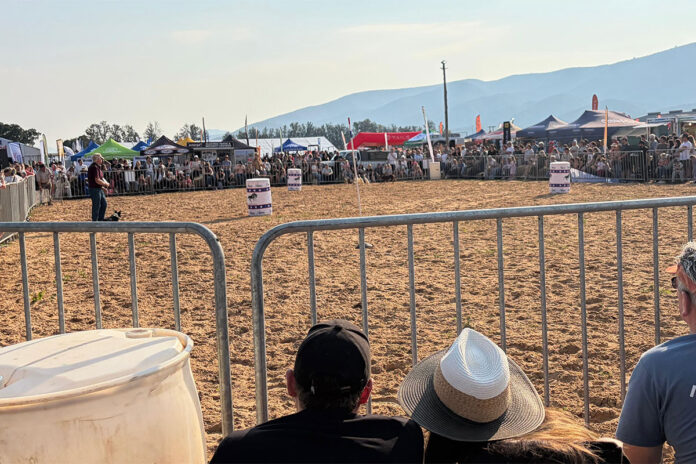
Held from 26 to 28 June this year, the festival has become one of the Eastern Cape’s biggest events, drawing around 25 000 visitors annually. However, the vision established when it was launched in 2002 remains firmly rooted in supporting the Sundays River Valley’s agricultural economy through conservation, education, tourism, and investment.
Speaking to Farmer’s Weekly, festival director Jenni Honsbein said the event was created at a time when the region’s growing wildlife industry presented new opportunities for diversification alongside traditional agriculture.
She explained that although agriculture continues to underpin the local economy, the festival’s organisers had deliberately renewed their focus on conservation and tourism over the past two years, recognising that these industries strengthen farming rather than compete with it.
This year’s conservation and tourism pavilion showcased 27 tourism products, while interactive exhibits introduced families to beekeeping, reptiles, wildlife conservation, and environmental education.
“Agriculture continues to be pivotal [to the festival], but conservation and tourism complement everything. The music remains a major attraction, but families are spending time in the conservation area because it offers children hands-on learning experiences,” Honsbein said.
She added that the festival contributes to Kirkwood’s long-term development by attracting investment and supporting local businesses.
“It’s not only about promoting farming. It also brings constant investment into the town. Farmers themselves invest in schools and community infrastructure because they understand that thriving communities support thriving farms.”
Industry support grows
The festival’s importance to the agriculture sector is also reflected in the growing number of agribusinesses choosing to exhibit.
Isuzu Motors South Africa participated as a sponsor for the first time this year, having noted the festival’s strong connection with farming communities.
Iviwe Poti, senior manager of strategic communications, said the company considers the festival an opportunity to engage directly with one of its most important customer bases.
“Farmers are looking for a reliable business partner in a vehicle. They need something durable that can withstand the demands of farming operations, and this festival allows [Isuzu] to spend valuable time with those customers,” she said.
Equipment supplier Masgcor/Tomra also made its Wildsfees debut after customers encouraged the company to exhibit its latest citrus sorting technology.
General manager Gerhard Verster said he was surprised by both the size of the event and the concentration of citrus growers in attendance.
“We have 47 installations across the Sundays River Valley and Patensie, so it made sense to be here. The economic impact this festival creates for the community is incredible,” he said, adding that the event generates significant business opportunities and showcases the strength of the local agriculture sector.
Connecting consumers with agriculture
For Lohan Geel, a local beekeeper and member of the Algoa Beekeepers Association, the festival also serves as an important educational platform.
He said that this year, thousands of visitors, many with little agricultural background, were able to learn first-hand about the role bees play in food production.
The association used live demonstrations to explain pollination, bee conservation, and honey production, while introducing children to beekeeping as a future agricultural career.
“So many children leave wanting to become beekeepers. They start to understand that bees aren’t pests; they’re essential to farming and food production,” Geel added.