
Samanta Stelli, communications lead at the NSPCA, told Farmer’s Weekly that the organisation had intervened at several correctional facilities in March 2025, where farm animals were not being fed due to reported budget constraints.
Over the past year, the NSPCA, together with local SPCAs, has conducted inspections at these facilities to monitor compliance and prevent further animal suffering. However, in the past month, early signs of feed shortages and nutritional imbalances have again been identified at multiple facilities across the country. In severe cases, animals have had to be humanely euthanised.
“The number of animals differed between facilities, depending on the size of the farming operations and the severity of the budget constraints, but thousands of animals were affected overall,” Stelli said.
This followed a similar intervention by the NSPCA in March 2025, when animals at several correctional facilities were found to be inadequately fed due to reported budget constraints.
Stelli said facilities again appeared unable to procure appropriate, species-specific feed in sufficient quantities due to budgetary constraints.
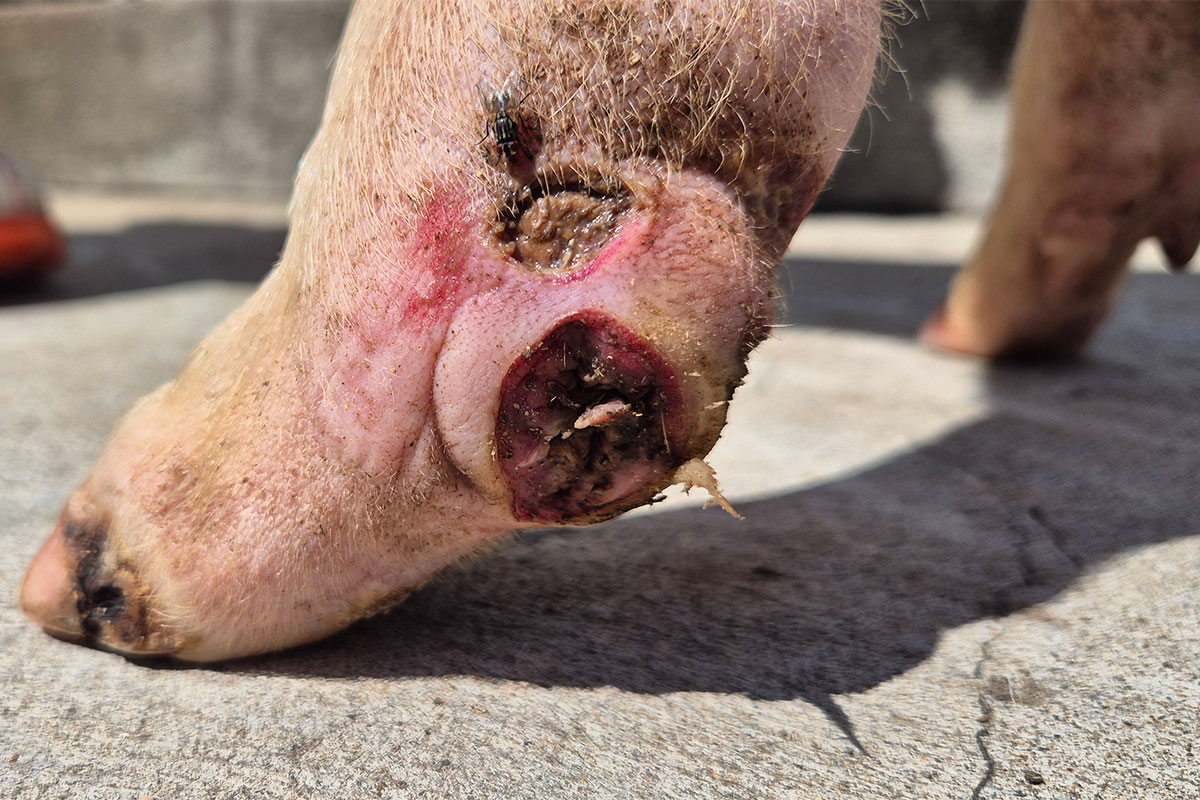
“The lack of appropriate feed is resulting in malnutrition and, in severe cases, starvation, leaving animals more vulnerable to disease and injury. The recurrence of these issues, despite previous interventions and assurances, raises serious concerns about accountability and compliance within government structures,” she explained.
The NSPCA has called on the Minister of Correctional Services Pieter Groenewald and National Commissioner of the Department of Correctional Services Makgothi Thobakgale to take immediate corrective action to ensure compliance with legal obligations.
“Failure to provide appropriate nutrition constitutes an offence under the Animals Protection Act 71 of 1962. Where necessary, the NSPCA will pursue legal action to prevent further suffering and ensure accountability under South African law,” Stelli said.
Responding to questions about feed shortages via WhatsApp, Euné Wessels, media liaison officer for the Ministry of Correctional Services, said the ministry had a meeting with the NSCPA on 15 April, during which ‘gaps in communication’ were identified between the parties but have since been addressed.
“These channels have been re-established,” Wessels said. “We trust the department and NSPCA will now be able to work together to effectively address any concerns relating to animal welfare.”
She confirmed that the animal welfare issues were the result of insufficient budget allocations for animal feed in some regions, delays in approving requests to overspend, as well as poor performance by feed suppliers linked to delayed payments in certain areas.
Wessels said that, to prevent a repeat of the situation, Director of Production Workshops and Agriculture Elizabeth Lepule has been appointed as the department’s nodal contact person, with all queries to be channelled through her.
In addition, NSPCA-related matters will form part of weekly management committee meetings to monitor the implementation of NSPCA recommendations and the status of animal feed in the regions.
Wessels said that the department has allocated R176,3 million of its budget towards animal feed for the 2026/27 financial year, an increase of R11,8 million from the R164,5 million budgeted in 2025/26.
To avoid shortfalls, future budgets will be informed by previous expenditure patterns, while timeous payment of animal feed invoices will be prioritised.
On accountability, Wessels said it was ‘premature’ to determine responsibility at this stage, as the issue is a national challenge with regional variations. A full investigation will be conducted to determine the root cause, and consequence management will follow if procedural failures are identified.
Explaining the role of farm animals at correctional facilities, she said they are used for slaughter to supply offender rations, reducing reliance on external procurement, and generating cost savings.
Animal husbandry programmes also function as training, equipping offenders with skills to improve employability or support self-employment upon release, with the aim of reducing recidivism.
In response to emailed questions about the meeting, the NSPCA said only time will tell whether the department has taken these concerns seriously, particularly when it comes to budget allocation and spending.
“In the meantime, we will continue proactive inspections at correctional centres, enforce corrective measures, and intervene where necessary to alleviate suffering,” it added.