
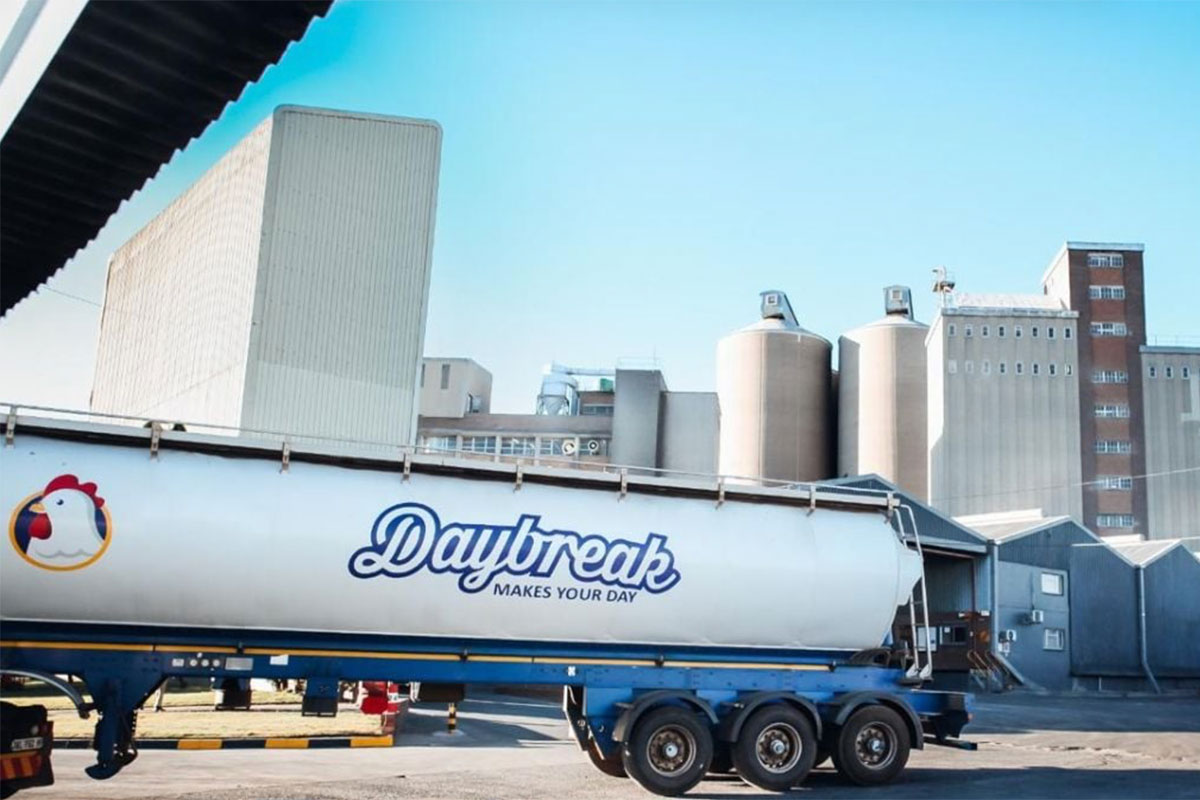
The Public Investment Corporation (PIC), which owns 100% of Daybreak Foods (Daybreak), has confirmed plans to dispose of more than 60% of its stake to secure a strategic partner capable of stabilising the business and restoring confidence.
PIC Chairperson David Masondo told Farmer’s Weekly that the move reflects the need for fresh capital and operational expertise, after the PIC became Daybreak’s sole shareholder ‘by default rather than design’ following years of instability.
From transformation play to crisis asset
The PIC acquired Daybreak for R1,2 billion in 2015 as part of a BEE initiative aimed at boosting transformation, food security, and rural employment in agriculture. At the time, the vertically integrated poultry business was regarded as a solid operator with strong market demand.
Founded in 2001 and previously part of Afgri, Daybreak operated across Gauteng, Mpumalanga, Limpopo, and KwaZulu-Natal, covering the full poultry value chain from breeding to processing. At its peak, the company employed more than 3 400 workers and produced up to nine million birds per production cycle.
However, over time, the business was affected by governance failures, financial mismanagement, and leadership instability.
Business rescue and mounting losses
By June 2025, Daybreak had entered business rescue after failing to meet its debt obligations. By then, the PIC had injected more than R1,7 billion into the company in an attempt to avert liquidation and protect jobs.
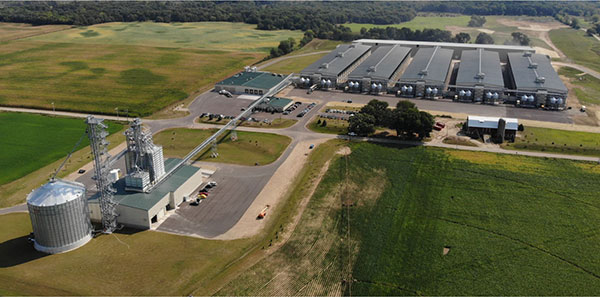
The rescue process revealed the depth of operational breakdowns, with breeding and hatchery operations remaining the only functional parts of the business. Thousands of jobs were lost as the company scaled down dramatically.
Compounding the crisis were disruptions to critical services, including IT systems, which affected payroll and supplier payments during the rescue period.
Animal welfare scandal damages trust
The most damaging blow came from a widely publicised animal welfare crisis. Investigations by the National Council of Societies for the Prevention of Cruelty to Animals (NSPCA) uncovered severe neglect, with more than one million birds reportedly left without adequate feed or care.
Court intervention followed, with the Johannesburg High Court ordering the company to halt inhumane practices and address conditions on its farms. The NSPCA also pursued legal action against the company’s leadership under the Animals Protection Act (No. 71 of 1962).
The episode not only tarnished Daybreak’s reputation but also raised broader concerns about oversight and accountability within the poultry industry.
Industry resilience
Despite the severity of the Daybreak crisis, the broader poultry industry remains on a strong footing.
“The poultry industry is in a good space, with high demand for poultry meat,” said Izaak Breitenbach, general manager of the South African Poultry Association’s (SAPA) Broiler Organisation.
He noted that production has increased from 21,5 million birds per week to around 23 million. Breitenbach added that the outbreak of foot-and-mouth disease (FMD) in the red meat industry has further supported demand for poultry, with higher-income consumers even shifting toward poultry products.
This growth trajectory has been underpinned by improving competitiveness. According to him, local producers are now able to compete more effectively with imports, with dumping pressures having ‘largely been addressed’.
“South Africa now produces chicken cheaper than the US, and for the past 13 years, cheaper than the EU,” Breitenbach said, citing research by the Bureau for Food and Agricultural Policy and Wageningen University & Research in the Netherlands.
“Only Brazil can currently produce chicken cheaper than South Africa.”
Feed costs remain central to this competitiveness. “Feed constitutes about 70% of live production costs and is critical in achieving a low cost of production,” Breitenbach said, adding that efficiency gains, particularly in feed conversion ratios, have positioned the local industry among the best in the world.
Since the Poultry Sector Master Plan was implemented in 2019, slaughter volumes have increased from 19,7 million to 23 million birds per week, and more than R2,2 billion has been invested in infrastructure.
While Daybreak’s collapse raised concerns about supply disruptions, the industry’s response has highlighted its resilience.
“When Daybreak failed to supply approximately 1,3 million birds per week, the industry stepped in and made up the numbers,” Breitenbach said.
“Not only that, production increased further to meet higher demand.”
He stressed that the crisis did not signal any systemic food security risks.
Even so, the Daybreak case has sharpened focus on governance and operational discipline within large-scale poultry operations.
“Governance and operational discipline are key, since the industry operates on very thin margins,” Breitenbach said.
On animal welfare, he emphasised that industry standards are clear and non-negotiable. “The industry has a code of practice in terms of welfare, and all SAPA members are expected to abide by this. These protocols are not negotiable.”
Investment outlook tied to biosecurity, exports
Looking ahead, Breitenbach said the industry remains attractive for long-term investment, supported by its improving competitiveness and growth trajectory.
However, he cautioned that key risks must be addressed to unlock further expansion.
“In the long term, we must eliminate the threat of avian influenza and start vaccinating [birds] on a large scale,” he said.
He also highlighted the importance of unlocking export markets. “We need to export cooked meat to the UK, EU, and Saudi Arabia. This will create new external markets and further production growth.”
Oversight failures under scrutiny
Meanwhile, the PIC’s handling of its Daybreak investment has come under increasing scrutiny. Findings linked to the Auditor-General and parliamentary processes have pointed to lapses in due diligence and weaknesses in enforcing internal controls.
Political pressure has mounted, with calls for further investigation into governance failures and the use of public pension funds.
The success of the PIC’s exit strategy now hinges on securing a credible buyer willing to invest in turning around a business that has lost both financial value and public trust.
According to information emerging from the business rescue process, while some operational improvements have been made, significant hurdles remain, including creditor claims, reputational damage, and the need for stable leadership.