Wayne Muller, Royal Agricultural Society (RAS) general manager, told Farmer’s Weekly that preserving the show is about far more than maintaining a tradition. It provides a place for farmers to exchange knowledge, showcase agricultural excellence, and pass skills and enthusiasm on to the next generation.
“The Royal Show has always been about exhibiting excellence. It’s about sharing ideas and growing, and through engagement with each other, getting better at food production, animal husbandry, and so many things that our country is special for and has a rich history of,” he said.
The importance of keeping the show alive was particularly evident after its two-year absence, with Muller saying visitors had arrived on Wednesday morning excited about its return.
“The people who have walked through the gates today have said, ‘Wow, this still exists. We thought it was gone.’ They are local people but also people who have travelled from far and wide in KwaZulu-Natal to come and see this. That is incredibly special.”
A history connected
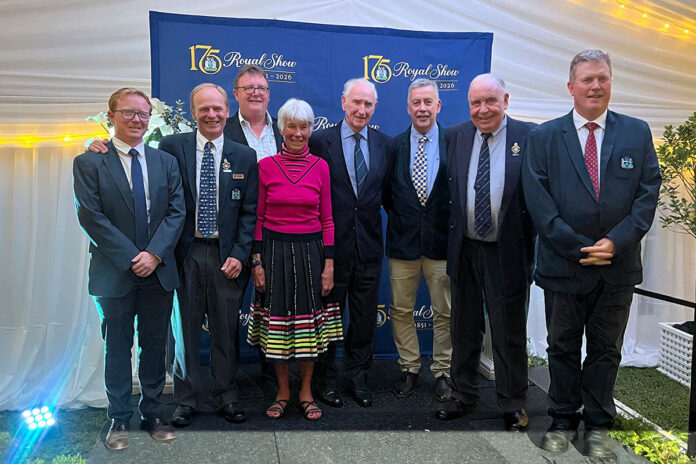
Speaking at the RAS gala dinner on Tuesday evening, society President Tim Nixon said the show had spent 122 years at its previous venue before moving to its new home at Tweedie Hall.
In its 175-year history, only 12 years had passed without a show being held, with 165 shows staged despite periods of drought, war, disease, and severe financial difficulty. Not a single show was missed during World War I.
Nixon said resilience has therefore always been a conscious pursuit of the RAS, something that remains relevant today. This year’s show had originally been scheduled for May, but the foot-and-mouth disease outbreak had forced organisers to postpone it until October.
COVID-19 prevented the show from taking place in 2020 and 2021, while an exhibition was held at the old grounds in Pietermaritzburg in 2022.
Keeping agriculture connected
Muller said the return of the livestock competitions demonstrated why agricultural shows still matter. The first day included 95 animals in the fat-stock show, as well as sheep judging that included Hampshires, Suffolks, Ile de France, and Dormers.
“The quality of these animals, the farmers who came in, the engagement, and the interest was heartwarming,” he said.
For Muller, however, the future of the show depends on attracting young people and giving them the opportunity to experience the agricultural community that shaped his own career.
“We have to think of the future members, and of what the future will look like, and we have to bring those new members in to keep the tradition going.”
He said schools and education would be an important part of this, particularly as agriculture is again receiving greater focus at schools. The challenge for the RAS is to remain relevant while retaining the agricultural foundations on which it was built.
Muller added that the show also needs to maintain its position as South Africa’s leading fat-stock show while continuing to support agriculture and the wider industry.
He said that seeing younger farmers competing, supporting one another, and learning from experienced cattlemen showed that this transfer of knowledge is already taking place.