

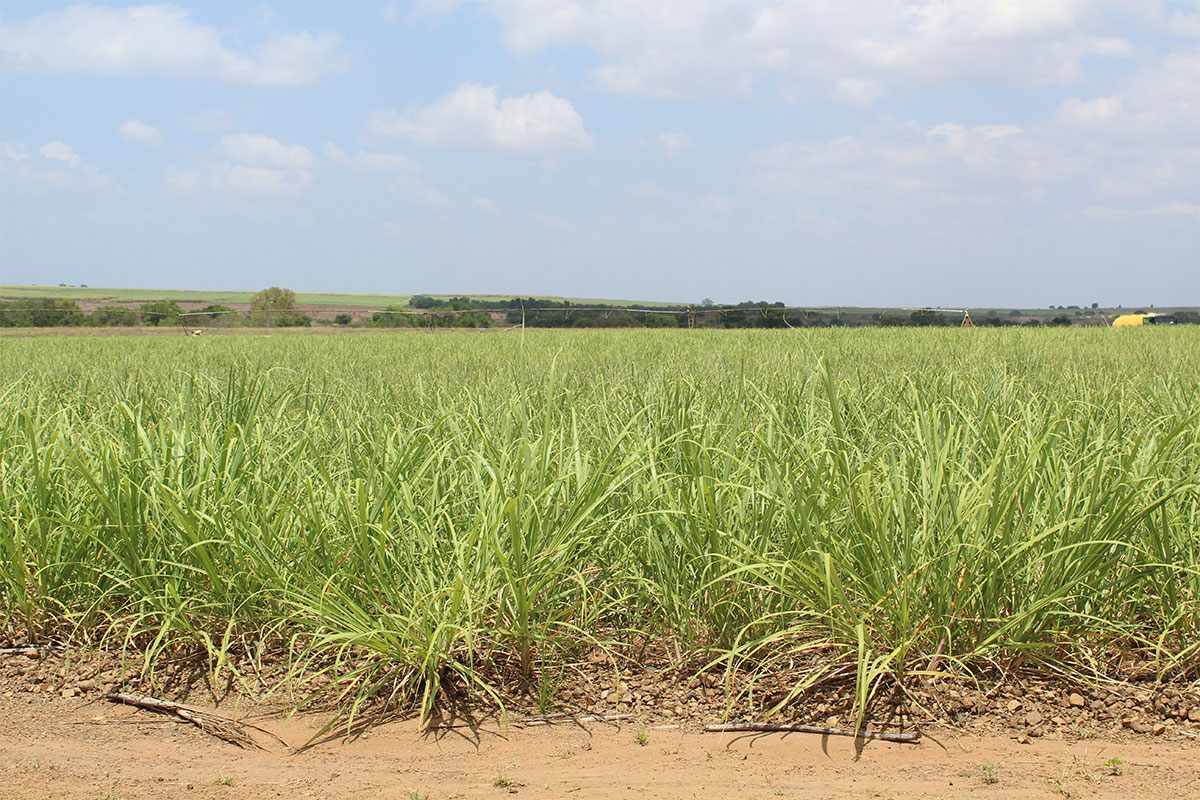
“We are so consumed at policy level by crisis that we are not reaching a point where attention can be given to developing long-term strategies to safeguard the industry and ensure its prosperity. Policies must incentivise economic activity to be effective, but at this stage they are blunt tools that are not propelling the industry forward,” Jolanda Andrag, chief operating officer at AgriSA, told Farmer’s Weekly.
She noted that South Africa does not necessarily have a deficit of plans to support the agriculture sector but rather lacks the ability to implement them.
“Certain responsibilities need to remain within the public sector, but greater private-sector involvement in implementation could improve efficiency. We are at the start of this journey, and the two entities are still finding each other,” Andrag said.
“The next five years will be characterised by how well government and the private sector work together, and what that partnership looks like.”
AgriSA’s Annual Trade Report 2025, published in March, shows that structural pressures are intensifying, particularly in agro-processing, where South Africa is steadily losing ground in the value-added segments it has historically dominated.
This erosion is most evident in the sugar industry, which has shifted to a net importer, with imports exceeding exports in 2025. The value of refined sugar imports rose sharply from R760 million in 2024 to R1,8 billion in 2025.
South Africa’s growing reliance on sugar imports from Eswatini further underscores this trend. In 2025, imports of sugar products from Eswatini resulted in a R2,1 billion agricultural trade deficit between the two countries, making it the only major trading partner among South Africa’s top 20 agricultural markets where a deficit was recorded.
According to the report, this dependence reflects declining domestic sugar cane production and reduced milling capacity. The area planted to sugar cane decreased from approximately 430 000ha in the early 2000s to between 350 000ha and 370 000ha in recent seasons, while several mills have closed due to insufficient throughput.
Sugar industry’s experience signals wider risk
The report warns that once processing capacity is lost, rebuilding is costly and slow, with permanent job losses and reduced market access for farmers weakening rural economies.
The sugar industry’s experience highlights a broader concern: continued reactive policymaking, without effective implementation of long-term strategies, could produce similar patterns across other agricultural value chains.
The industry is facing sustained pressure on multiple fronts, including low global prices, rising input costs, increased competition from imports, the impact of the Health Promotion Levy, and declining domestic demand.
While sugar import tariffs provide the domestic industry with some support, the report indicates that tariffs alone have not been sufficient to offset the combined pressures of rising input costs, declining local production, and structural inefficiencies.
Industry stakeholders have also cautioned that overreliance on tariff protection, without parallel improvements in competitiveness and investment in processing capacity, risks delaying necessary reforms while leaving the industry vulnerable in the longer term.
While commercial sugar farmers have gradually switched to higher-value crops like avocados and macadamias, Andrag said this shift is not feasible for the country’s 10 000 small-scale sugar cane farmers.
She added that if the necessary action to bolster the sugar industry is not taken, the livelihoods of these farmers, and the broader rural economy, will be jeopardised.
Tongaat Hulett Limited’s financial distress adds to concerns about the industry’s stability. The company filed for provisional liquidation in February 2026 following a failed business rescue process, placing further strain on an already vulnerable value chain. The Department of Trade, Industry and Competition has opposed the liquidation, and court proceedings are ongoing.
The report warns that without deliberate intervention to restore competitiveness and strengthen processing capacity, South Africa risks further decline in key agro-processing industries.