

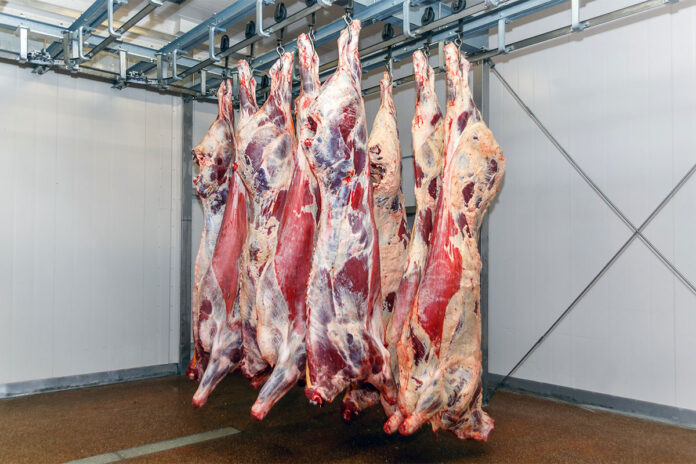
South African farms and feedlots supplying livestock for slaughter for red meat exports to the UAE have until 31 December 2026 to complete the registration required under Veterinary Procedural Notice 59.
Minister of Agriculture Willie Aucamp announced the extension in a media release on 26 August, saying the new deadline would allow trade to continue while state veterinarians and producers complete the registration process.
“This extension is critical for our livestock sector and agricultural trade relations with the [UAE],” Aucamp said.
He added that continued trade would protect livelihoods, support market continuity, and give the industry time to meet international requirements without unnecessary disruption.
The extension does not waive the registration requirements. Exports may proceed during the extended period only if the facility has been inspected by the responsible provincial state veterinarian, compliance with the applicable requirements has been verified, and a compliant registration application has been submitted to the Directorate of Animal Health for processing.
Farms and feedlots that remain unregistered after 31 December will not be eligible to supply livestock for slaughter for red meat exports to the UAE. Exports from unregistered facilities will not be supported or endorsed.
Export markets crucial to red meat industry
The importance of retaining access to the UAE market was recently highlighted by Matthew Karan, director of Karan Beef, at the Red Meat Producers’ Organisation national congress, held in mid-August in Pretoria.
Karan said that in 2024, 66% of South Africa’s meat exports went to only five countries: the UAE, Jordan, China, Kuwait, and Mozambique.
“Exports aren’t just a bonus when the local market is quiet but a mechanism to grow the entire supply chain,” he explained.
“What is almost always misunderstood outside of the red meat industry is that red meat exports do not take beef off the store shelf and cause prices to rise. They do the opposite. The export market pays premiums for the cuts that our own consumers don’t want. If the producer sells those cuts abroad, he becomes less dependent on the local market. If the producer is unable to export, he must recover his costs from the local consumer,” Karan added.