
“It’s time to name and shame those who wilfully break the FMD rules and put others in the industry who do abide by the regulations at risk,” Steenhuisen told Farmer’s Weekly.
He added that biosecurity compliance remains a serious concern.
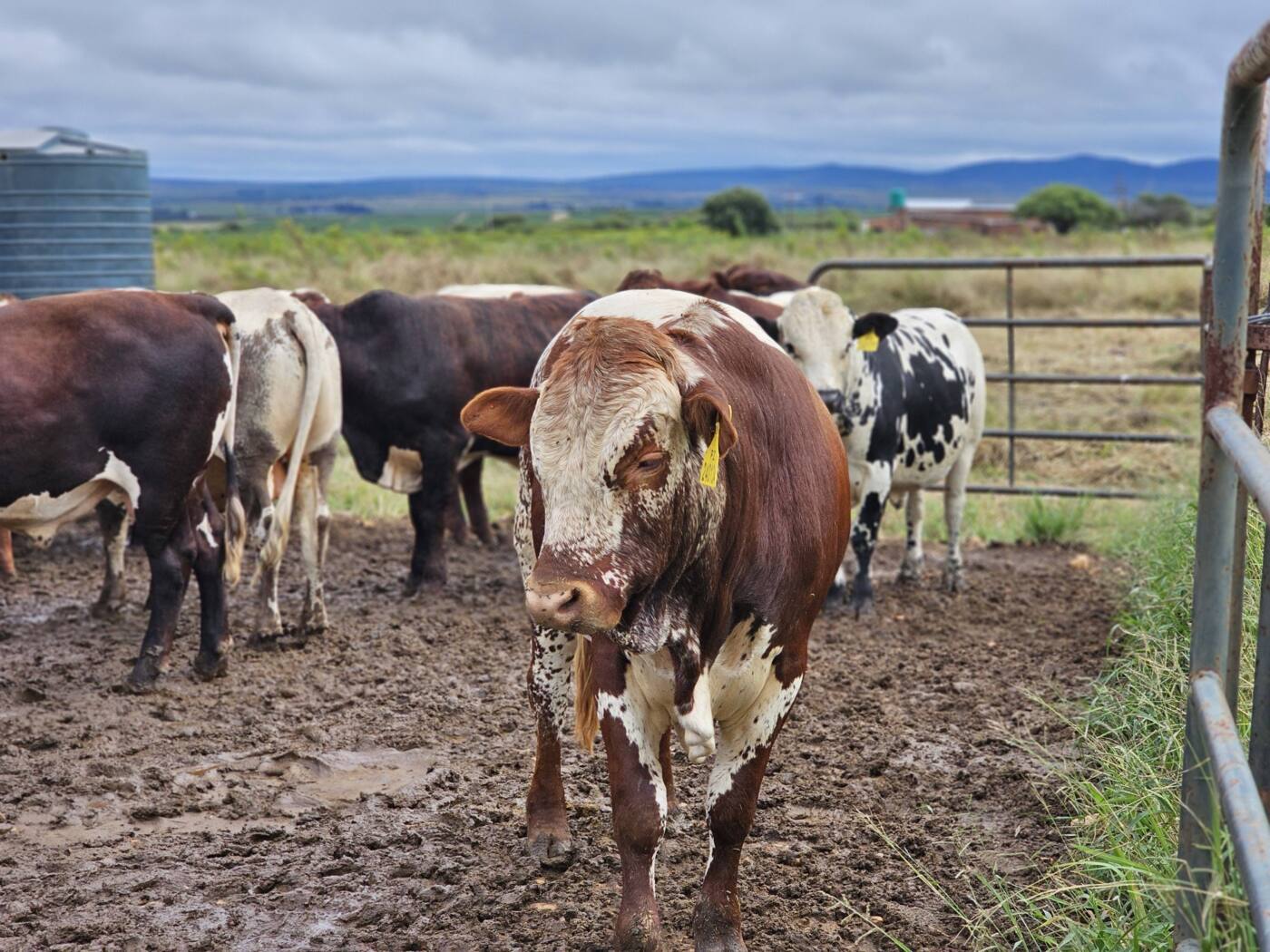
“[Last] week, a major incident occurred at an auction in the Free State, where protocols were not followed properly. Sick animals were brought into the system, exposing around 1 500 others and requiring urgent vaccine deployment.
“This highlights that biosecurity is not only government’s responsibility. Farmers, auctioneers, speculators, and traders all form part of the solution.”
Steenhuisen warned that reckless livestock handling and deliberate non‑compliance could have devastating consequences.
“While most producers adhere to regulations, the actions of a small minority can place the entire industry at risk. There may come a point, as seen during COVID‑19, where stronger enforcement measures, including naming and shaming, become necessary against those who wilfully break the rules.”
Western Cape stabilises as Free State cases surge
In the Western Cape, Premier Alan Winde announced in a press release on 21 April last week that no new cases of FMD had been reported in the province over the past month.
“Similar progress has been seen in other provinces. From a disease‑control perspective, vaccines have become a critical intervention. However, we have since experienced a sharp escalation in the Free State, where outbreaks have become so widespread that accurate counting has become difficult,” Steenhuisen said.
Steenhuisen added that, as a result, the Department of Agriculture’s (DoA) vaccine rollout programme had been adjusted, with the Free State receiving a significantly larger share of available doses.
“Almost all dairies in the province required urgent vaccination. To date, the Western Cape, Free State, North West, and other provinces have largely been covered, with some remaining areas in the Eastern Cape now being addressed.”
According to Steenhuisen, the Free State’s increased number of new cases is not due to wilful breaking of movement restrictions but to increased reporting by farmers.
He also put it down to a change in the DoA’s vaccine rollout and reporting system, with vaccines rapidly being made available following reported cases of FMD.
“Importantly, reporting of outbreaks has increased. Under the previous system, farmers were often reluctant to report cases due to quarantine requirements. Under the current vaccination regime, quarantine is no longer necessary, which has encouraged earlier and more transparent reporting,” he explained.
Large orders of vaccines starting to arrive
Steenhuisen said the latest batch of vaccines arrived on 20 April and is being distributed across key industries, including feedlots, dairy farms, and pork producers, with contingency supplies reserved for emergencies.
“The first two million doses formed part of a six-million-dose order, while an additional five-million-dose order was placed. Of these, 1,5 million doses have already been received, with the remaining 3,5 million on the way, pending final Section 21 [of the Medicines and Related Substances Act (No. 101 of 1965)] approval.”
He added that while government can invest heavily in vaccines and interventions, those efforts are undermined if the livestock industry itself does not act responsibly.
PPPs needed to boost SA’S fertiliser production
Steenhuisen said the country must learn from global geopolitical shocks such as wars, which drive price spikes and limit supplies of diesel and fertiliser. Both are critical inputs that make up a large share of farmers’ input costs, and he said action is needed on several fronts.
“Fertiliser shortages and rising input costs have become major drivers of food inflation in South Africa. Input costs are among the single biggest contributors to a farmer’s bottom line, and when these rise sharply, profitability is directly affected. When this is coupled with the diesel crisis, it places enormous strain on farmers, particularly now during the winter planting season for crops like winter wheat.”
He said South Africa’s manufacturing capacity must be strengthened through public–private partnerships (PPPs). He pointed to the struggling state-owned company Foskor, the country’s only vertically integrated producer of phosphate ore and phosphate-based fertilisers, which are in short supply.
“Fertiliser production is an ideal candidate for PPPs, where government and industry can work together to rebuild capacity and stability,” he added.
“The collapse of the rail system severely constrained fertiliser production. Without reliable logistics, even viable operations struggle to remain profitable.”
According to Steenhuisen, efforts are under way to fast-track the registration of fertilisers, particularly alternative products such as biologicals. He said 37 new technicians have been appointed in the DoA’s Directorate for Agriculture Inputs Control to accelerate registration processes for both biological and conventional products.
“The registration process under [the Fertilizers, Farm Feeds, Seeds and Remedies Act (No. 36 of 1947)] needs to be streamlined. The aim is to get these alternatives to market quickly so that farmers have more options available during a period of extreme pressure,” he concluded.