Speaking to Farmer’s Weekly, Dr Thomas Funke, CEO of SA Canegrowers, said the agreement between the Industrial Development Corporation, the Vision Group, and business rescue practitioners (BRPs) provides critical short-term stability for sugar cane growers who depend on THL for milling.
The Vision Group is a consortium of investors and financiers that emerged as the main bidder to rescue and acquire THL during its business rescue process.
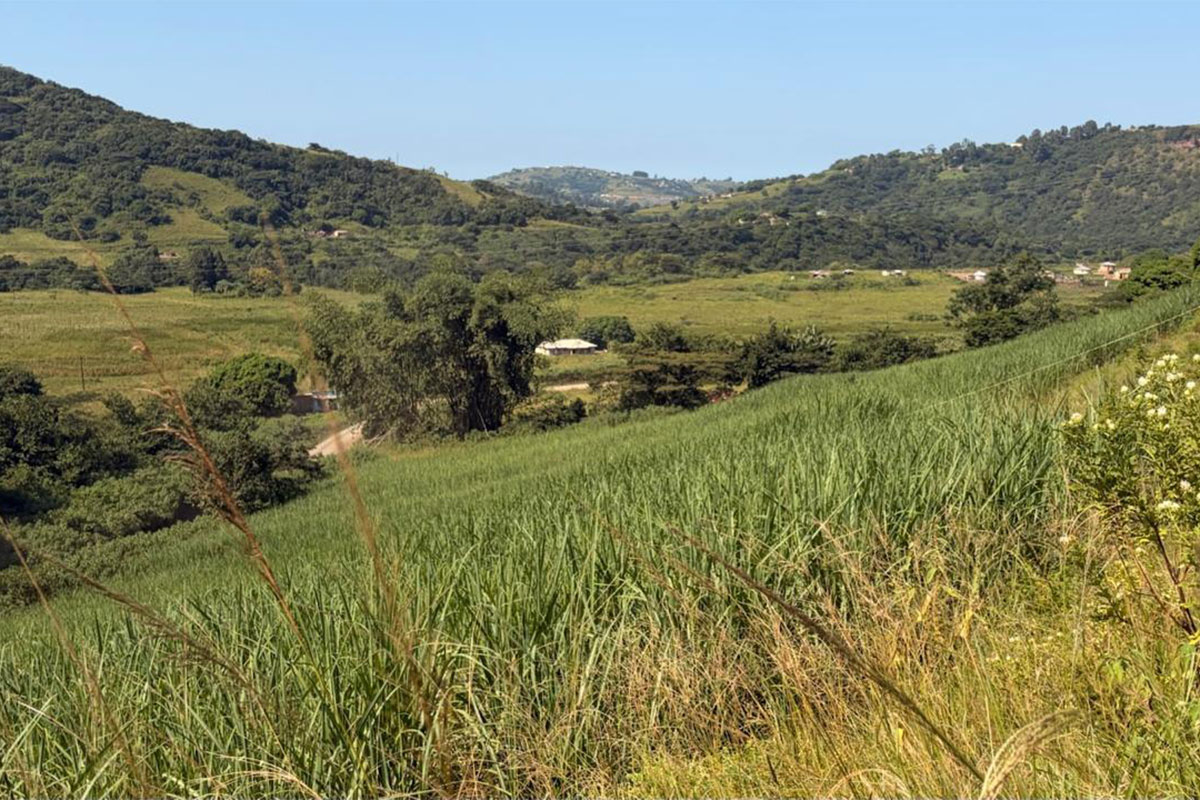
“We are relieved that the agreement provides R200 million to ensure Tongaat Hulett’s mills and refinery can reopen for the 2026/27 season. This has come as a massive relief to the [roughly] 18 000 sugar cane growers in KwaZulu-Natal who rely on Tongaat Hulett to process their sugar cane,” he added.
According to Funke, the intervention prevents immediate disruption at a sensitive point in the production cycle, where delays would have had knock-on effects across harvesting and income generation.
“Thousands of jobs and entire rural communities depend on these operations, and the agreement helps safeguard that economic lifeline, at least until a sustainable solution to the business rescue process can be negotiated,” he explained.
While mills are expected to resume operations towards the end of May after an extended maintenance phase, Funke said the overall industry is far from stable.
“Our focus now is on finding a more permanent solution. The situation at Tongaat Hulett affects not only the growers supplying its mills but the entire industry, too.”
He added that growers remain exposed to external market pressures, particularly imported sugar.
“Over the past year, we have observed an almost direct correlation between the amount of sugar imported into the country and lower sales of locally produced sugar. However, growers are committed to the long term and cannot uproot cane and move to a different crop,” he said.
Funke added that liquidation of THL would have far-reaching consequences: “We still hope the liquidation of the company can be avoided entirely, as it would be detrimental to the entire sugar industry.”
Cash flow pressure persists for small-scale growers
While the postponement of the THL liquidation hearing, brought by the company’s BRPs, has provided operational relief, small-scale growers continue to face financial strain linked to delayed payment cycles.
Dr Siyabonga Madlala, executive chairperson of South African Farmers Development Association, said the immediate benefit of the adjournment is the continuation of milling.
“The immediate relief from the adjournment is assurance from the company that the mill will open and cane crushing will take place, although delayed to the first week of May,” he said.
However, he said delays in mill operations have a direct impact on farmer liquidity, particularly through postponed industry payments.
“The delay also affects final payments. These are held back during the crushing season and only become payable once the final recoverable value price is determined at the end of March,” he explained.
Madlala added that supplementary payments, which are especially important for small-scale growers, also arrive late in the season.
“These payments are often used to cover early-year expenses such as wages, implements, and inputs. The challenge is that income only starts flowing at the end of May for those who crush early, and even later for others during the season.”
Industry warns of broader systemic risk
The South African Sugar Association (SASA) said the provisional liquidation application against THL highlights the scale of risk the industry faces.
SASA CEO Sifiso Mhlaba said the company’s operations are central to the livelihoods of thousands of farmers and the wider rural economy.
“The THL provisional liquidation application threatens the significant socio-economic contribution of its mills and refinery operations. More than 16 160 farmers, including 15 792 small-scale growers, deliver approximately 4,5 million tons of cane to the [company’s] three mills.”
Mhlaba added that the risk extends beyond one company: “All six milling companies play a critical role in ensuring the continued sustainability of the industry and supporting the one million livelihoods that depend on it.”
SASA said it will continue to monitor developments and engage stakeholders to secure a viable long-term solution.
Jenna Govender, CEO of the South African Sugar Millers’ Association, said the association is concerned about the ongoing legal and financial uncertainty surrounding THL but said the industry remains focused on maintaining operational stability.
“We remain hopeful that the matter will be resolved in a manner that will ensure stability and certainty,” she added.