
Clearing invasive species mechanically requires a significant capital investment. Grant Moodley, machine sales executive at Wuhlf Equipment, told Farmer’s Weekly that Wuhlf’s 930 mulcher sells for about R1,8 million, while the larger 960 model costs around R3,5 million, both excluding VAT.
The 930 features a 129kW engine and a 1,8m drum, enabling it to clear and mulch roughly 2ha to 5ha per day in bush with stem circumferences of up to 250mm.
The larger 960 is equipped with a 276kW engine and 2,5m drum, allowing it to clear between 8ha and 15ha per day in bush with stem circumferences of up to 500mm.
“These mulchers were purpose-built for tough African conditions and are designed to handle dense bush and demanding terrain,” Moodley said.
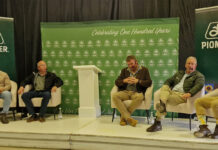
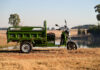
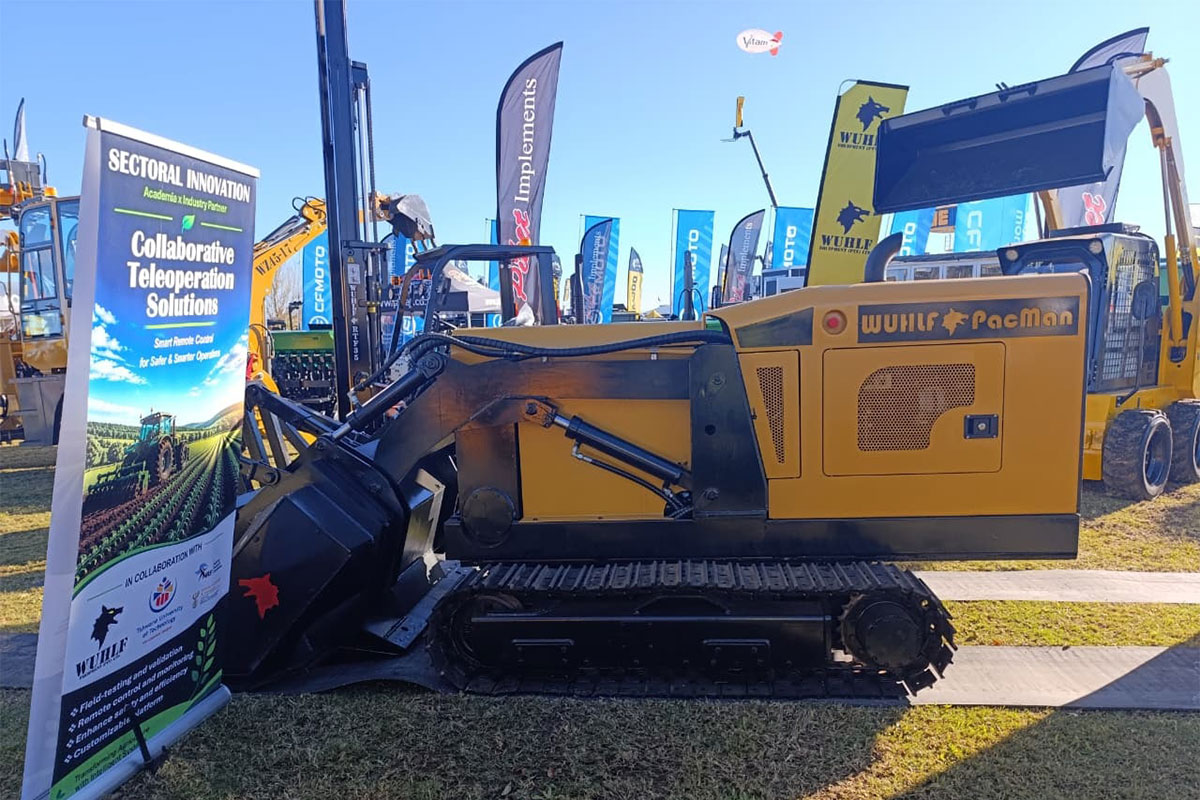
He added that Wuhlf has also partnered with the Tshwane University of Technology to develop a remote-controlled mulcher, with a prototype on display at this year’s Nampo Harvest Day.
The machine is fitted with an 85kW engine and is intended for clearing invasive species on steep or dangerous terrain. The prototype can currently be operated from a distance of about 100m.
Buy or rent?
Due to the high capital cost involved, Moodley said it is important that farmers use the equipment correctly and avoid unnecessary expenses.
According to him, buying a mulcher only makes financial sense if a farmer needs to clear at least 200ha. Once the work is completed, the machine can also be resold, potentially recovering up to R1 million, depending on its condition.
Farmers who need to clear between 50ha and 100ha may be better off hiring a contractor or borrowing equipment instead. Contractor rates generally range from R2 000 to R2 650 per hour, excluding fuel.
Expensive errors
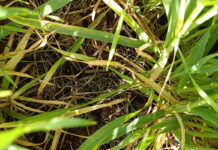
One of the most common mistakes farmers make is applying herbicides immediately after mulching.
“In some cases, the mulching process alone is enough to destroy invasive plants. Farmers can therefore save money by first waiting to see how much regrowth occurs before making a blanket herbicide application,” Moodley said.
Another mistake is failing to inspect the land for rocks before starting operations.
“Stones can damage the tungsten teeth on the mulcher drum, resulting in costly replacements. Some farmers manage up to 1 000 operating hours while replacing only five teeth because they prepare the land properly,” he explained.
Moodley also warned that inadequate servicing can significantly reduce machine lifespan and performance.
“Each mulcher is sold with a maintenance schedule that outlines daily checks and scheduled parts replacement. We also keep an extensive stock of spare parts to minimise downtime if breakdowns occur,” he said.
Lastly, operators are often not properly trained to use the equipment efficiently.
“Incorrect operation can place unnecessary strain on the machine and increase wear. We therefore provide free operator training with all our machines,” Moodley explained.
Market for mulchers
Moodley said demand for mulchers has increased sharply in recent years, as rising land prices force farmers to improve the productivity of their existing land rather than expand their operations.
Wuhlf’s main clients include forestry companies as well as livestock and game farmers looking to restore grazing land by clearing invasive species and bush encroachment.
He said mulching invasive species such as lantana, bugweed, Scotch broom, French broom, paraffin bush, and sickle bush is often faster and more cost-effective than relying solely on manual labour, and it is also more environmentally friendly than blanket chemical control.
“The mulch left behind helps improve soil health and water retention, while also protecting the soil surface,” he concluded.