

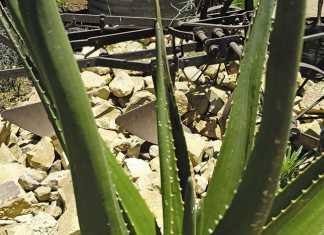
Aloe vera improves a horse’s hoof growth
Aloe Vera has many beneficial properties. Plant it around the stables, suggests Kim Dyson.
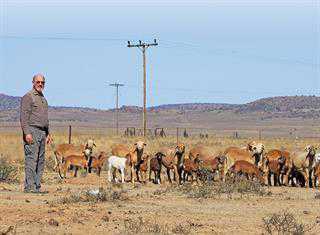
Allow nature to select your best performing animals – Clayton Collette
SA Stud Book’s top smallstock breeder for 2015, Clynton Collett from Venterstad, plans to increase the performance of his Meatmaster stud through better selection based on reproductive performance.
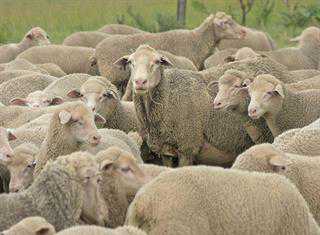
Wauldby Dohne Merinos: on the veld for 68 years!
The legendary Wauldby Dohne Merino Stud from the Amabele area near Stutterheim in the Eastern Cape was founded by Deemie Blaine in 1947. Mike Burgess visited Blaine’s grandson, Robbie, a finalist in the 2015 National Sheep Farmer of the Year competition, to find out how he continues to farm his stud in this challenging environment.
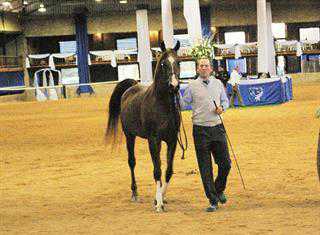
Is showing for you?
To show a horse at top level you need aptitude, dedication and hard work, explains Kim Dyson.
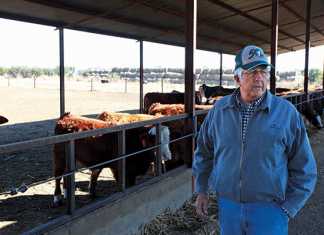
Only use the best genetics – Hennie Viljoen
Top stud breeder Hennie Viljoen says farmers must use top genetics to increase productivity and profitability.
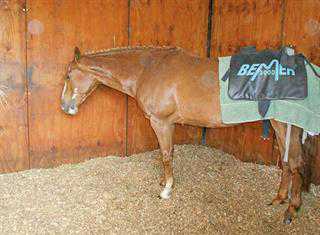
Bemer, does it work?
Despite controversy, using the Bemer to heal injured horses seems to be popular, says Dr Mac.
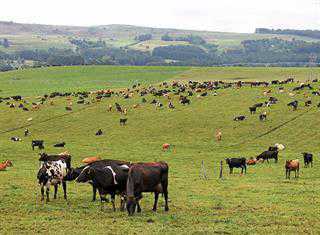
How to get the best from ryegrass pasture
New Zealand may be thousands of kilometres away from South Africa, but the dairy industries of both countries share similar challenges. Will Henson, agronomist from Agriseeds New Zealand, visited KZN to share his ideas on optimising dairy profit from ryegrass pasture.

Government’s approach towards aquaculture
The SA government’s misdirected approach towards aquaculture is clear, especially when compared with the situation in neighbouring countries.
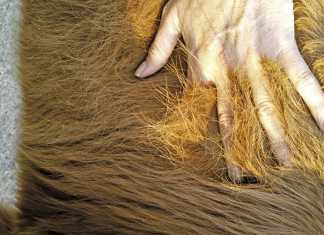
Understanding Cushing’s disease
This ailment can cause laminitis and infertility. Outward signs are coarse hair and excessive thirst. Kim Dyson explains.
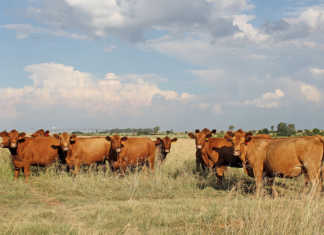
5 Cattle diseases that can kill your business
Veterinarian Dr Jan du Preez discusses the top five diseases that South African farmers should guard against to ensure that their cattle and their bottom-line are not negatively affected.
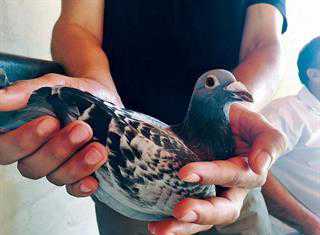
Cape Town fanciers 1st and 2nd
Albert Lingenfelder and André Mills have again made their mark, this time in the inaugural Western Cape Classic, says Thomas Smit.
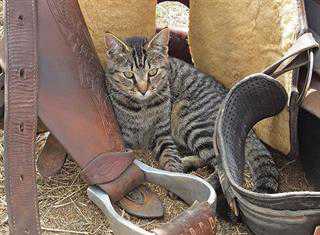
How to get rid of rats in your stables
Get yourself a pair of real barn cats. They are far more effective than traps, says Dr Mac.
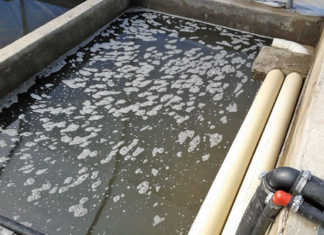
A better way to do aquaponics
The traditional aquaponics single-unit system disadvantages the fish, the plants or both. Now might be the right time to rethink the design.
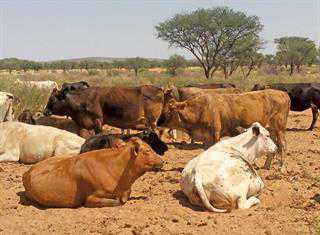
Grazing management in harmony with nature
Be gentle with nature. Work with what you have on your farm and not with what you would have liked to have. This is the grazing management philosophy of commercial farmers Helmut and Iris Stehn from Dordabis in Namibia.
Pelvic problems in horses
The word lameness can strike fear into any horse owner, but when it emanates from the pelvic region, the prognosis can be good, says Kim Dyson.
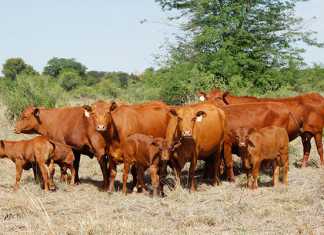
Senepol cattle: Ideal for Africa’s extensive conditions
The Senepol holds the key to sustainable and profitable beef production in South Africa, says Wilhelm Oosthuyzen, owner of Senepol SA’s 2015 Stud Herd of the Year. Annelie Coleman visited his Joxepa Senepol Stud near Bothaville, Free State, to find out more about this remarkable breed.
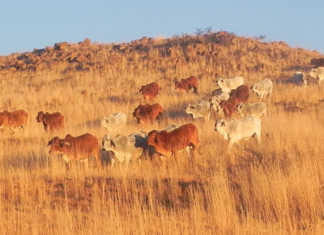
Inside Namibia’s stud-breeding industry
The Namibian stud livestock breeding industry currently consists of 79 000 head of registered livestock. Annelie Coleman spoke to Jacque Els, CEO of the Namibian Stud Breeders’ Association in Windhoek, about the distinguishing features of the industry in his country.
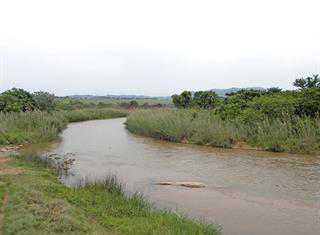
Aquaculture and conservation
Government’s draconian treatment of the aquaculture industry is hypocritical – what is it actually doing to conserve our endemic tilapia species?
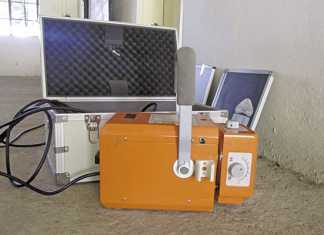
When your horse needs an X-ray
Radiographs are needed for diagnosis or pre-purchase examinations of horses, says Dr Mac.
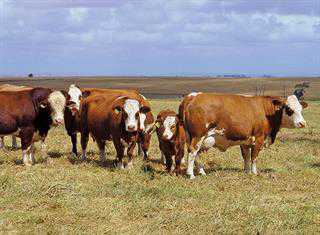
Beef cows: meeting their nutritional needs
Beef farmers should take care to match the nutritional needs of a cow to her production cycle to ensure optimal fertility rates, expecially when forage quality is low. Dr Dietmar Holm, associate professor at the Department of Production Animal Studies, University of Pretoria, explains.
- ADVERTISEMENT -
- ADVERTISEMENT -
MUST READS

- ADVERTISEMENT -



