

Precision farming turns these differences into practical decisions. By combining soil information, field data, and agronomic expertise, Omnia helps producers understand what each zone needs to perform optimally.
One field, different needs
A producer in North West was experiencing inconsistent yields, despite applying the same management practices across the farm.
Omnia mapped the fields into management zones using soil classification, grid sampling, and spatial analysis. The process revealed clear differences in soil potential, texture, nutrient status, and water-holding capacity.
Fertiliser recommendations could then be tailored for each zone. Higher-potential areas received the nutrition needed to support their yield potential, while lower-potential areas were managed to avoid unnecessary input.
Post-season analysis showed more consistent yield performance across the field when measured against each zone’s potential. Reduced variation against yield potential was observed.
The goal is not simply more. It is better return
Applying more fertiliser doesn’t always mean earning more from the crop. At a certain point, the cost of the additional input can be greater than the value of the extra yield it produces. This is also known as the law of diminishing margin.
Omnia agronomists use on-farm nitrogen-response trials to help identify this optimum yield point. Rather than chasing the highest possible yield, the aim is to find the application rate that delivers the strongest economic return for that production zone.
The trials also show why one blanket application isn’t always the best answer. Different zones can respond differently to the same amount of nitrogen, so the most profitable rate may vary across a field.
Data also helps protect what comes next
Repeat soil chemical grid sampling helps track changes in nutrients such as phosphate and potassium over time, giving producers the opportunity to respond before declining nutrient status limits future performance.
Precision farming isn’t about collecting more data for its own sake. It’s about using the right information to make better decisions, zone by zone, season after season.
Did you know?
Precision farming supports decisions before, during, and after the season:
- Before: on-farm nitrogen-response trials help identify the optimum application rate for specific production conditions.
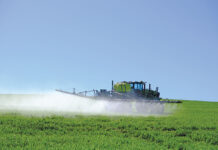
- During: variable-rate application allows nitrogen to be matched more closely to the needs and potential of different zones within the field.
- After: post-harvest yield data and repeat soil chemical grid sampling show how the crop and soil responded, assisting in refining the next season’s nutrition plan.
Speak to your Omnia specialist about putting your field data to work.
For more information, visit nutriology.co.za.