
How farmers manage the temperature and humidity requirements of fresh produce between harvest and loading onto a refrigerated truck can have a significant impact on its shelf life beyond the farm gate.
The cold chain starts on the farm
While breaks in the cold chain can occur at any point in the transport of fresh produce from farm to market, farmers can do a lot to help prevent spoilage and losses.
Good cold chain management practices not only help guard against revenue losses and reputational damage for farmers; they also create a record of how produce was handled before leaving the farm. For example, documenting preloading temperatures can provide evidence of the produce’s condition if a dispute arises later along the cold chain over temperature management.
It all starts with understanding the produce itself, including the temperature and humidity requirements before it starts to deteriorate, and how these factors inform its handling throughout the cold chain.
Fresh Food Trade SA, an annual directory on the country’s fresh food trade and supply chain, is a useful resource for understanding the temperatures and humidity requirements of different crops.
According to the 2025 edition of the directory, leafy vegetables such as lettuce require rapid cooling to below 2°C, storage at between 0°C and 0,5°C, and near 100% relative humidity to maintain quality. Moreover, adequate ventilation is required to reduce the accumulation of ethylene, a naturally occurring gas that regulates ripening in fresh produce. Elevated levels can accelerate deterioration and shorten shelf life.
Keeping produce cool on the farm
Depending on the scale of the farming operation and the cooling requirements of the fresh produce, maintaining the optimum post-harvest temperature may not require expensive equipment or infrastructure. Harvesting at cooler times of the day, such as in the early morning or late afternoon, and keeping produce in the shade can help limit exposure to direct sunlight and heat.
However, as volumes increase or produce needs to be kept cool for longer periods, a cold room may become necessary. A clean, functional cold room is an important link in cold chain management, helping to maintain consistent temperatures and protect the quality of the produce.
Poor insulation, a leaking roof, or cracked walls, for example, can lead to inefficient and inconsistent cooling through cold air leakage. Inadequate insulation or defective panels can also cause temperature fluctuations, reducing shelf life.
The following questions, drawn from the Perishable Products Export Control Board’s (PPECB) 2025 Ordinary Handling Protocol: Responsibilities for Optimum Cold Chain Operations, can help assess the condition and functionality of a cold room:
- Is the cold room clean, in good working order, and large enough to hold the harvested crop at the required temperature?
- Can it reach and maintain the required temperature, and is the temperature monitored regularly?
- Is the cold room properly insulated and maintained, with no damaged panels, cracked walls, leaking roof, or other sources of cold air leakage?
- Is there enough space for adequate air circulation, without overcrowding the room or blocking airflow around the produce?
- Is there a backup plan for power failures or equipment breakdowns to prevent the produce from warming above the required temperature?
From cold room to market
The cold chain doesn’t end when the produce leaves the cold room. Heat, rough handling, delays, and breaks in the cold chain can quickly compromise quality during the journey from farm to market, leading to losses.
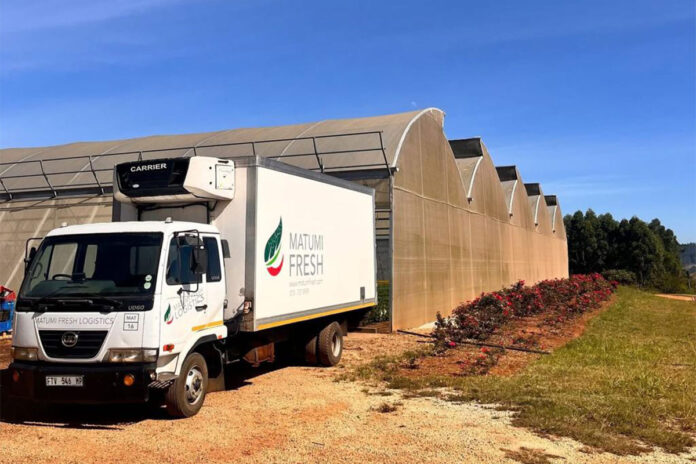
For this reason, choosing the right cold chain logistics provider is about more than finding the most cost-effective solution. Vehicle condition, temperature control, reliability, handling, and on-time delivery can all affect the value of the load by the time it reaches the buyer.
In its General Requirements for Refrigerated Road Transport Vehicles, the PPECB provides practical guidelines for managing the cold chain from harvest to market. Although developed for pome and stone fruit, they also provide useful advice for other fresh produce on issues such as temperature management, loading, transport, handling, and minimising delays.
The following questions have been adapted from these guidelines to help farmers assess cold chain logistics service providers:
- What temperature must my produce be at before it is loaded onto the truck?
- Can you maintain the required temperature for my produce throughout the journey?
- How is the temperature monitored and recorded during transport?
- Is the refrigerated vehicle clean, well maintained, and suitable for the type and volume of produce I am sending?
- How will the produce be loaded, secured, and positioned to protect it from rough handling, heat, and restricted airflow?
- How do you handle refrigeration unit breakdowns, delays, or other disruptions during transit?
- What happens if the produce arrives late, damaged, or outside the required temperature range?
- Can you provide references or demonstrate your track record with similar fresh produce?
By understanding the temperature and handling requirements of their crops, removing field heat, preparing the cold room, and asking the right questions of logistics providers, farmers can help protect the quality of their harvest all the way to the market.