
As the crop manager at Kidlinks Small Farm Incubator, Deliwe is part technician, part educator, and part community builder, working at the intersection of crop production, soil regeneration, beekeeping, and farmer mentorship. His journey into agriculture, however, began long before formal training or leadership roles.
“I was born and raised in Nonaliliti location, one of the villages in Debe Nek under Raymond Mhlaba Municipality in the Amathole District. Growing up in a rural setting shaped my understanding of food, land, and community. My journey into agriculture began with my grandmother, Nomendile, who taught me farming using indigenous knowledge and traditional practices,” he tells Farmer’s Weekly.
Study journey
He says that early foundation was strengthened at Nozalisile Secondary School, where he chose Agricultural Science in Grade 10, before going on to study crop production at Fort Cox Agriculture and Forestry Training Institute.
“During my studies, I had the opportunity to train on an organic farm, where I was exposed to the realities, dynamics, and practical methods of agroecology,” says Deliwe.
A one-year AgriSETA internship at Fort Cox became the turning point that connected him to his current role.
“After completing my studies, I did a one-year internship under AgriSETA at Fort Cox. It was during this time that Mr Thafa, a senior lecturer at Fort Cox, connected me with Kidlinks Small Farm Incubator and their passionate team. I transitioned from being a student intern to a crop manager. This journey exposed me to agroecology as a holistic approach, including strengthening local food systems, engaging with local markets, conducting experiments and research, and training farmers and schools.
“What inspired me most was its ability to address not only production, but also environmental sustainability, social justice, and local food systems. Agroecology aligned with my vision of strengthening rural food systems while restoring dignity and knowledge within farming communities.”
He says he also had the opportunity to work with students from different institutions across South Africa and internationally, while continuously building his skills through training.
A technical and mentorship-based role
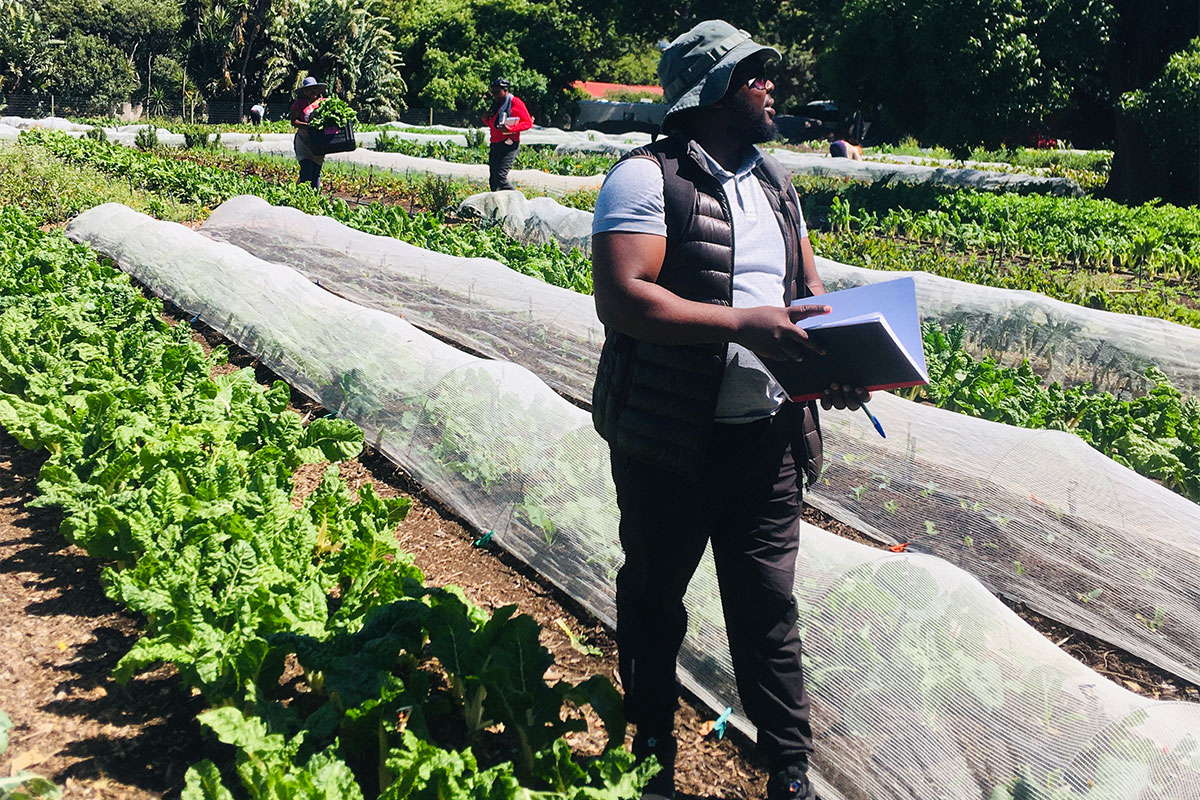
Today, as crop manager at Kidlinks Small Farm Incubator, Deliwe’s work is rooted in both production and people development.
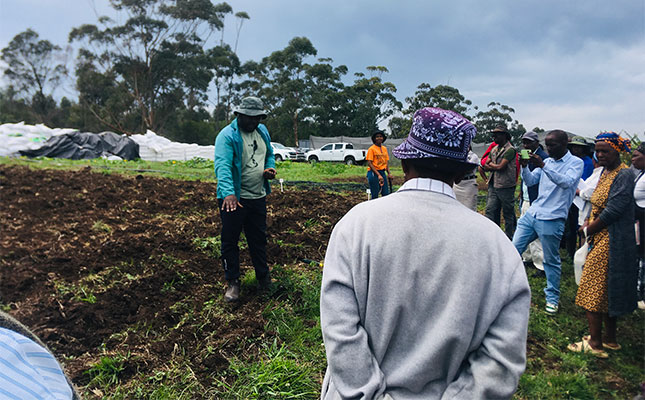
“As a crop manager at Kidlinks Small Farm Incubator, my role is both technical and mentorship-based. Daily, I oversee crop planning, soil health management, irrigation, and pest control using sustainable methods. We also work with emerging farmers, guiding them through practical farming activities such as planting, crop rotation, and harvesting.”
Deliwe says a big part of his role involves training and supporting farmers to adopt agroecological practices, ensuring they understand not just the ‘how’ but also the ‘why’ behind each method and linking production to local markets.
“It is a balance between production, education, and community development.”
His leadership perspective has been further shaped through participation in the IFOAM Organics International leadership course, which expanded his understanding of agroecology beyond the farm gate.
“The IFOAM Organics leadership course has expanded my understanding of leadership within agroecology. It has strengthened my ability to think beyond the farm and consider the broader food system, including policy, advocacy, and community empowerment. It has also influenced how I mentor farmers; I now focus on building leadership, confidence, and encouraging farmers to share knowledge among themselves. The course has helped me see agroecology not only as a farming practice but as a movement that connects people, environment, and sustainable development.” 
At the heart of his work is a practical, systems-based approach that combines soil science, biodiversity, and indigenous knowledge.
“We support farmers in building diversified and resilient farming systems. In crop production, I guide them on intercropping, crop rotation, and seasonal planning. In soil management, we focus on composting, biofertilisers, and improving soil health naturally,” he says.
“We also promote practices such as worm farming or vermicomposting, which helps improve soil fertility, and the production of seedlings and microgreens for both nutrition and income generation. Beekeeping is another important area; we emphasise the importance of bees in pollination and food production, and educate farmers not to destroy them, as they are essential for a healthy ecosystem.”
He says additionally, he promotes awareness and production of indigenous vegetables, especially during times of drought, because they are more resilient, nutritious, and adapted to local conditions.
“All these activities aim to create sustainable livelihoods while protecting the environment.”
Biodiversity, soil health and working with nature
For Deliwe, agroecology is not a modern invention but a continuation and formalisation of long-standing rural practices.
“The key principles we apply include biodiversity, soil health, and working with nature rather than against it. We promote intercropping, crop rotation, and the use of organic inputs but less external inputs to maintain healthy soils,” he says.
“Agroecology also includes integrating social aspects and livestock into the system. Animals play an important role by providing manure, which improves soil fertility, and supporting a more efficient and closed-loop farming system. We also value indigenous knowledge, community participation, and farmer-to-farmer learning as central principles.”
Addressing challenges faced by farmers
However, like many working in smallholder development, he is confronted daily by structural constraints.
“Some of the biggest challenges farmers face are drought, water scarcity, and soil degradation, which directly affect production. Many also struggle with limited access to resources, knowledge, and markets.”
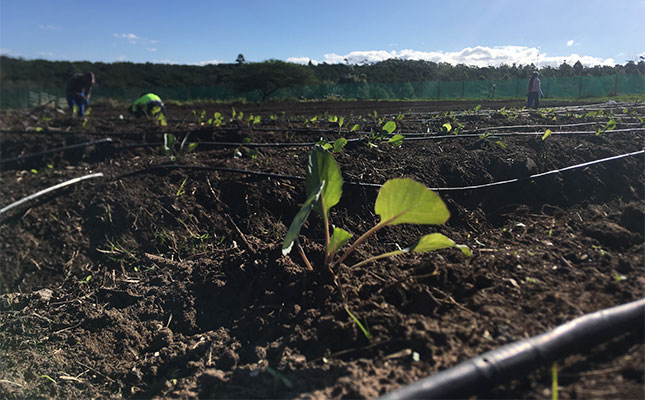
He says to address these challenges, he supports farmers with water-wise farming practices, soil moisture conservation, and the use of resilient crops such as indigenous vegetables.
“We also promote low-cost agroecological methods that reduce dependency on external inputs, and promote local markets. Continuous mentorship and practical training help farmers adapt and build resilience despite these challenges,” Deliwe says.
Positive effects of agroecology
Despite these pressures, he is optimistic about the role agroecology can play in South Africa’s food system.
“Agroecology is already part of many local communities, especially through indigenous practices. Strengthening and formalising these approaches can improve food security and sustainability in South Africa. It supports local food production, encourages the use of local resources, and reduces dependency on external inputs. Importantly, agroecology strengthens local markets by creating spaces where farmers can sell their produce and communities can access fresh, healthy food. Building and supporting local markets is key to sustaining rural economies and ensuring long-term food system resilience.”
Most rewarding, he says, is witnessing transformation at farmer level.
“One of the most rewarding experiences is seeing farmers grow in confidence and take ownership of their work. When a farmer successfully applies agroecological practices, improves their production, and starts sharing knowledge with others, it shows real impact. It becomes more than just farming, it becomes community development.”
Long-term goal for the future
Looking ahead, Deliwe’s ambition is firmly rooted in strengthening rural food systems and expanding access to agroecological knowledge.
“My long-term goal is to strengthen rural food systems by developing sustainable garden hubs that support production, training, and knowledge-sharing. I want to expand agroecology training programmes, support more farmers, and promote indigenous knowledge,” he says.
“I also aim to contribute to building stronger local markets and creating opportunities for young people in agriculture, while continuing to grow as a leader in the agroecology space.”
Message for youth
His message for young people considering a path in sustainable agriculture is: “Start where you are and learn continuously. Respect the land and understand your environment. Combine indigenous knowledge with modern practices, and focus on sustainability, rather than quick results. Agroecology is not just about farming, it is about building communities, protecting the environment, and creating a better future. Stay committed, be patient, and be willing to grow.”
This is part of 30 Under 30 segment.