
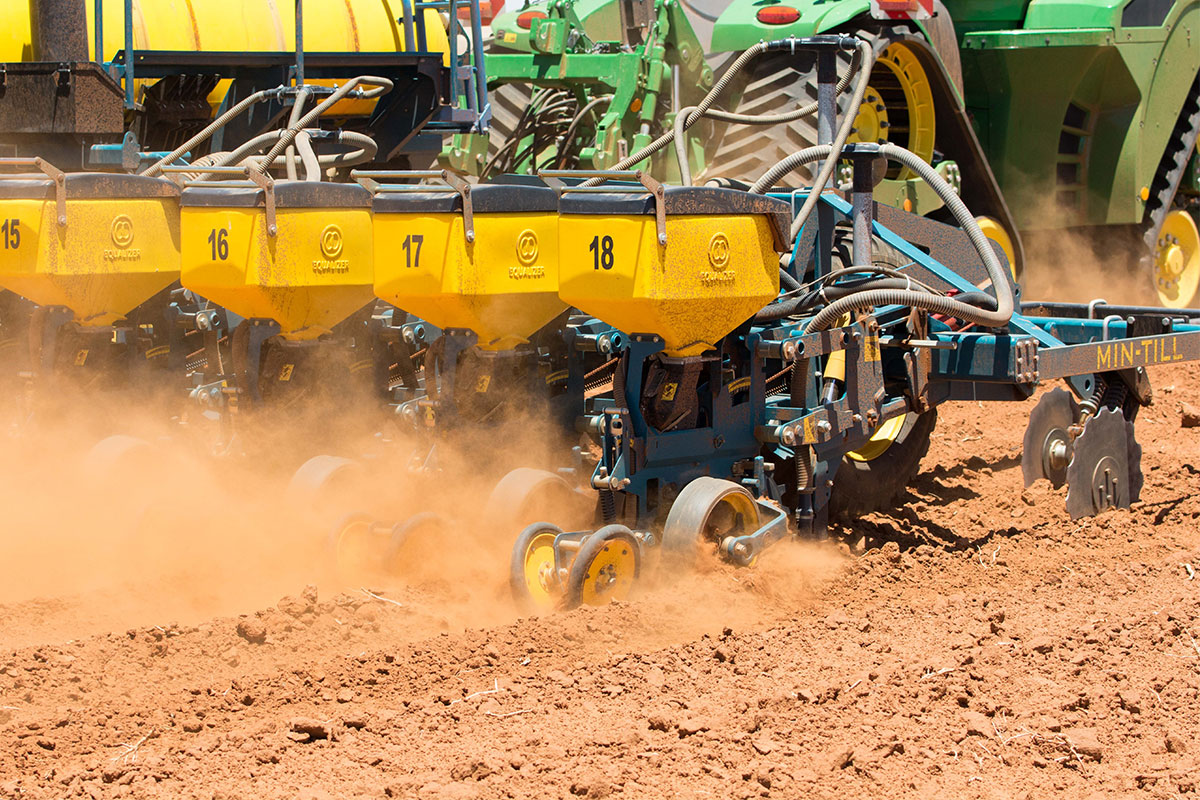
Effective 6 May, both grades of petrol will increase by R3,27/ℓ, while diesel will rise by R6,19/ℓ, pushing the inland wholesale price of 0,005% sulphur diesel to a record R32,30/ℓ. These adjustments are expected to have immediate consequences for agricultural production, where diesel remains a critical input.
The latest price hikes are largely attributed to geopolitical instability in the Middle East, particularly tensions between the US and Iran, which drove Brent crude oil prices above US$100/barrel (more than R1 670/barrel) during the April 2026 fuel price review period.
A weaker rand, averaging around R16,63 to the US dollar, further compounded the increases by raising the basic fuel price.
Despite the severity of the increases, government has extended its temporary fuel levy relief measures until June 2026. The general fuel levy on petrol remains reduced by R3/ℓ, while the diesel levy has effectively been cut to zero, providing some short-term relief.
However, industry bodies warn that these interventions fall short of addressing deeper structural challenges.
In a joint statement, AgriSA and Agbiz welcomed the extension of the fuel levy relief but cautioned that farmers remain under significant strain due to rising input costs and ongoing fuel supply disruptions.
“The intervention provides important short-term cost relief to farmers and consumers amid sustained global oil price volatility,” the organisations said.
“However, it does not fully offset the deeper structural pressures facing the agriculture sector.”
According to the statement, the sector’s primary concerns extend beyond price to include the reliability of fuel supply. Reports from across the supply chain indicate delayed deliveries, allocation limits, and, in some cases, farmers receiving only a fraction of their required fuel volumes during critical production periods.
These constraints come at a particularly sensitive time. South Africa’s winter crop planting season is already under way, with early indications suggesting a potential 6% decline in wheat plantings for the 2026/27 season, the lowest level in more than a decade.
AgriSA and Agbiz warned that any further delays in planting, whether due to fuel shortages or cost pressures, could negatively affect yields and overall production.
The outlook for summer crops is also at risk. While South Africa is currently on track to harvest a record 20,8 million tons of grains and oilseeds in the 2025/26 season, the organisations cautioned that this should not obscure mounting risks to future production cycles.
Survey data cited in the statement show that farmers are already adjusting operations to cope with rising costs. These measures include scaling down production, reducing input use, drawing on financial reserves, and exploring alternative energy sources such as solar power.
“Diesel remains a non-discretionary input across all farming systems,” the organisations noted, highlighting the fuel’s essential role in planting, irrigation, harvesting, and transport activities.
They have called for a coordinated response to stabilise the sector, including improving fuel supply reliability, addressing logistical bottlenecks, and ensuring greater transparency in the fuel distribution system.
They also emphasised the importance of ongoing reviews of the fuel price formula to better reflect agricultural realities.