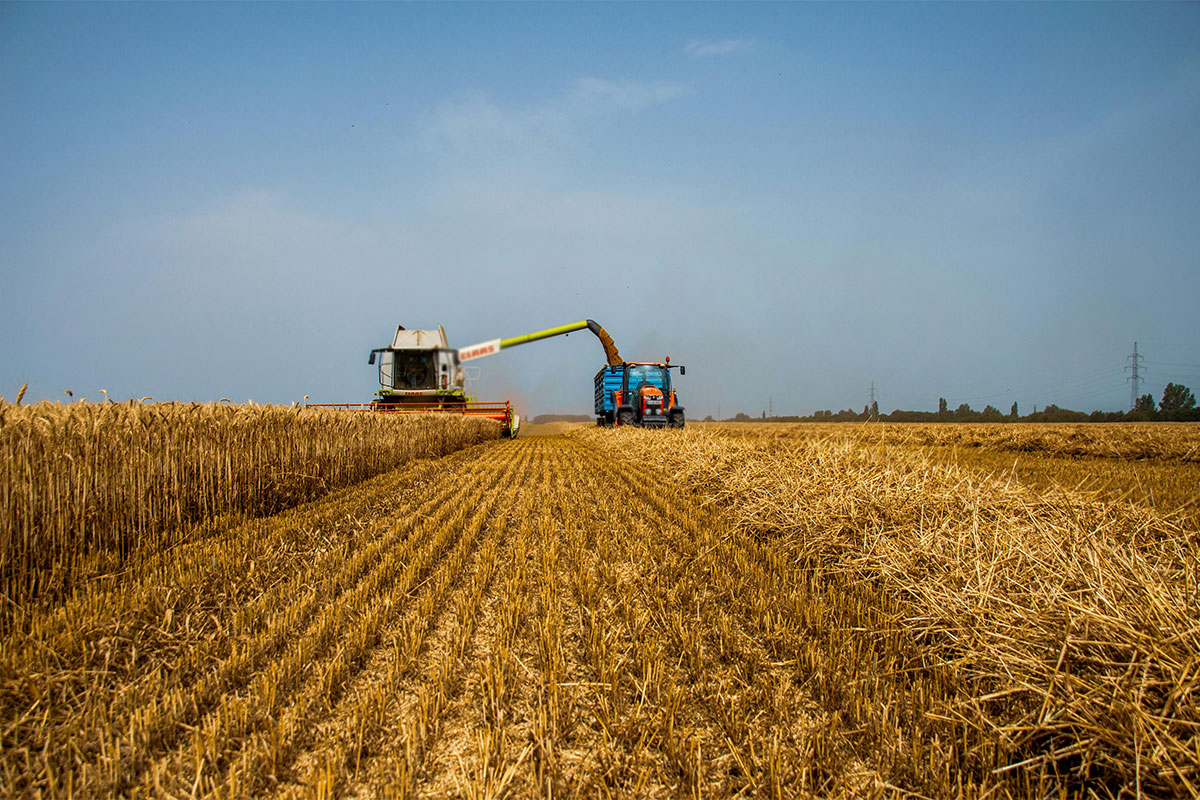
The latest production estimates point to larger maize, sunflower, and soya bean crops, while the winter grain industry is expected to undergo notable planting shifts, with canola gaining ground at the expense of wheat and barley.
Burger told Farmer’s Week that maize deliveries are currently 40% higher than at the same time last year, mainly due to the sharp contrast between the poor 2024/25 harvest and the much stronger 2025/26 crop.
According to the Crop Estimates Committee’s second production estimate for the 2026/27 summer crops season, total maize production is expected to increase by roughly 2,4% this year.

The white maize crop is currently estimated at around 8,8 million tons, an increase of 2,9% from the previous estimate. The yellow maize estimate has also been revised upwards, increasing by 1,8% to 7,8 million tons.
While this is positive from a production perspective, the larger crop is placing further pressure on prices. Maize markets are already oversupplied, and the expected increase in deliveries is likely to weigh heavily on local prices and farmer profitability.
Sunflower area grows, but market pressure remains
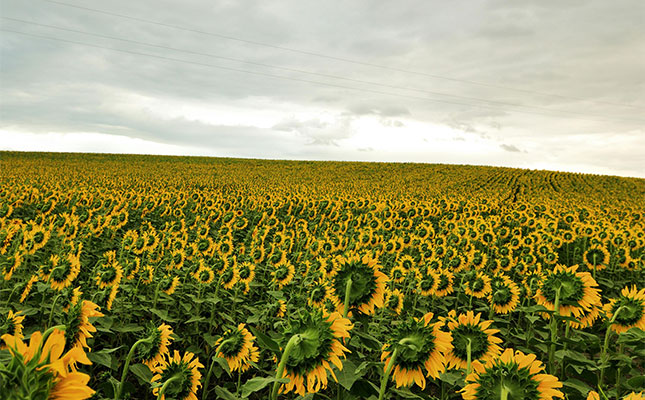
The sunflower industry is also set for a stronger season. The planted area has increased from 555 700ha in 2025 to 570 100ha this season, signalling stronger producer interest in the crop. As a result, larger deliveries are expected, with the second production estimate standing at 778 155t, representing an increase of around 3.1% from the first estimate.
Despite the improved crop outlook, sunflower prices remain under strain. The crop is currently trading below export parity, and with expectations of surplus supply this year, local prices remain under pressure.
For producers, this means that although yields may improve, income could still be constrained by weaker market returns.
In the soya bean industry, the current harvest pace is 15,2% slower than the previous season and approximately 33,4% slower than the five-year average.
However, it is still early in the new season for deliveries, which means volumes are expected to build momentum as harvesting continues. The soya bean production estimate has also been revised upwards, increasing by 2,6% in the second estimate.
Based on the latest projection, South Africa is currently expecting a soya bean crop that is 15% larger than the five-year average. This continues the long-term trend of expanding soya bean production, supported by domestic demand and crop rotation benefits.
Expectations for winter grains
Looking ahead to the winter crop season, canola is gaining ground and the early industry sentiment suggests important changes in planting decisions following a difficult 2025 season.
Canola plantings are set to increase, continuing a multiyear structural trend. Meanwhile, decreases in area planted are expected for wheat and barley, largely driven by profitability pressures and crop rotation practices.
Low wheat prices have reduced profitability, making it difficult for producers to maintain sustainable margins. Barley is also affected due to its price linkage with wheat, which limits opportunities for price recovery. By contrast, canola offers better margins, making it a more attractive planting option for farmers.
The Western Cape is expected to show the largest changes in planting intentions. Although both dryland and irrigated regions are affected, the province remains the key driver of South Africa’s winter crop outlook.
Changes in planting decisions in this region are therefore likely to have a major impact on final production outcomes for wheat, barley, and canola.
Costs continue to weigh on farmers
The main risk producers face in the 2026 season remains rising costs. They are currently under strain from higher input costs, including fertiliser, fuel, and seed, while weak commodity prices are also weighing on them. This combination is resulting in sharply compressed producer margins.
Fertiliser prices have been rising sharply since February 2026, driven by higher global energy prices, South Africa’s reliance on imports, and a weaker rand. Fuel costs also remain a major concern, as planting operations are highly energy intensive, despite temporary fuel levy relief.
Additional risks are linked to global logistics and geopolitical instability. There is particular concern over developments in the Middle East, especially around the Strait of Hormuz, a critical global shipping route.
Transport costs can account for up to 50% of farmers’ fertiliser costs, and any disruption to global supply chains could push input prices even higher.
While local grain producers may be encouraged by the prospect of a stronger summer harvest, the outlook remains mixed. Higher production is good news for supply and food security, but persistent oversupply and rising costs continue to threaten farm profitability.