Absa’s AgriTrends 2026 Spring Edition report, launched earlier this month at Nampo Cape in Bredasdorp, stated that production growth remains a source of long-term opportunity, but increasing volumes does not necessarily translate into better producer returns. Profitability depends on whether additional production can be placed in markets at commercially sustainable prices.
Speaking at the launch, Zama Sangweni, agricultural economist at Absa AgriBusiness, said this represents a shift in the high-value export industry.
“Over the past few years, the emphasis has been on growing production and expanding markets. Citrus, for example, has now reached a point where volume is no longer the issue. South Africa is the world’s largest citrus exporter, but markets are not sufficiently diversified,” she explained.
According to the report, the 2025/26 season demonstrated the complexity of the operating environment for the fruit export industry, with rainfall and flooding affecting certain production regions, influencing fruit quality, harvest timing, and export programmes. In addition, geopolitical disruptions altered established trade patterns.
At the same time, competition from other producing countries intensified in markets where South Africa already has a strong presence.
Citrus needs markets for growing crop
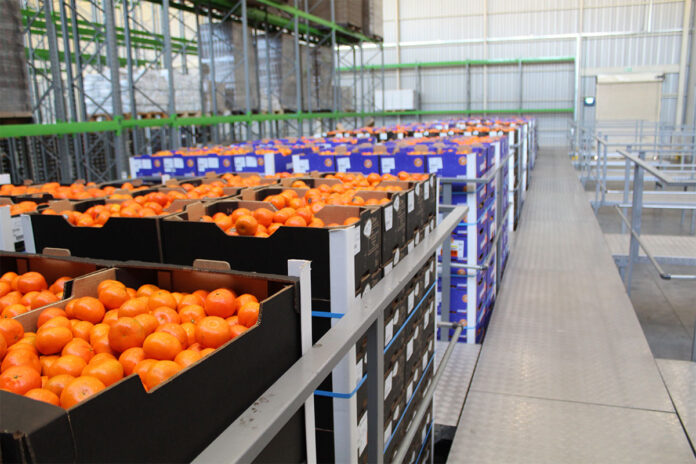
Citrus illustrated the scale of the industry’s expansion, with export earnings rising from about US$80 million (around R690 million) in 2001 to an estimated US$2,5 billion in 2025 (R44,8 billion).
However, Sangweni said the 2026 season showed the vulnerability created by insufficient diversification.
“Disruptions in the Middle East limited access to those markets, forcing exporters to find alternative destinations.
“Producer margins aren’t negative, but competition is becoming more intense. The focus now needs to be on expanding markets,” she said.
The report said lemons are likely to remain particularly exposed to disruptions in Middle Eastern markets, while returns for oranges will remain sensitive to competing supply in major destinations. Soft citrus is comparatively well positioned because of favourable marketing windows and demand for newer varieties.
As production continues to increase, the report said sustainable returns will depend increasingly on market diversification, reliable export execution, and the ability to position fruit competitively across destinations.
Grapes expose the cost of logistics failures
Table grapes demonstrate the other side of the challenge. Export volumes increased by about 8% during the 2025/26 season, with almost 79 million cartons exported, yet strong production did not necessarily deliver stronger financial performance.
Daneel Rossouw, head of sales for agriculture at Nedbank, told Farmer’s Weekly that competition to get fruit onto ships had become one of the biggest risks for table grapes and stone fruit.
“During the past season, inefficiencies at the Port of Cape Town and strong winds delayed exports. By the time the fruit could get out, it reached the market at the same time as fruit from our biggest competitors, which placed prices under pressure.
“The fruit needs to get out when it needs to. We cannot afford to reach the market at the same time as peak supply from the rest of the world,” he said.
Sangweni added that the port delays during December and January disrupted export programmes, increased time in the cold chain, and contributed to quality claims. Produce that arrived in suboptimal condition had to be discarded, with producers having to pay for dumping costs. As a result, their margins were eroded.
“Industry estimates put losses across the value chain at more than R3 billion. This highlights the vulnerability of a time-sensitive horticultural supply chain to infrastructure and operational disruptions,” she said.
Rossouw said he was not confident that the port challenges would be resolved this year, with improvements likely to take time to bear fruit. Even if operational efficiencies improved, he said strong winds would remain a risk.
With export volumes continuing to grow, the report said reliable logistics and broader market access will become increasingly important in converting South Africa’s production growth into profit growth.