For the year ended June 2026, RCL’s revenue fell 4,1% to around R24,5 billion, while underlying earnings before interest, taxes, depreciation, and amortisation (EBITDA) declined 8,6% and underlying headline earnings dropped 27,1%.
RCL said in a statement that market volumes remained under pressure across most categories, and it did not expect a meaningful recovery in the near term.
Rob Field, RCL’s chief financial officer, told Farmer’s Weekly that conditions for consumers remained extremely difficult, with rising fuel costs adding further pressure to disposable incomes.
“Not much has changed in the consumer environment and, if anything, it has become tougher. Food inflation has not been particularly high, which has helped, but whichever metric you look at, most industries are taking a knock because of the economic pressure on consumers. Volumes are under pressure, and we are seeing changes in demand patterns,” he said.
RCL responded by looking for ways to offer lower-cost products. Field cited a peanut spread in which a percentage of peanuts had been replaced with soya beans to bring down the price while retaining an affordable spread for consumers.
Fuel prices were also affecting buying patterns. Field said RCL had seen sales of its Pieman’s pies at fuel station forecourts decline as higher fuel prices resulted in consumers making fewer trips and therefore reducing foot traffic through forecourt stores.
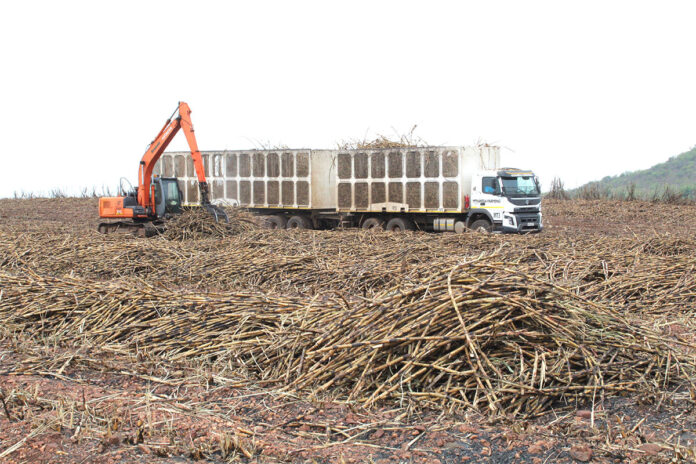
The pressure was equally evident further up agricultural value chains. RCL’s sugar revenue declined 8,2% to R9,9 billion, while its underlying EBITDA fell 21,6%. International raw sugar prices averaged 22,6% below the previous year, while deep-sea sugar imports rose 24,2% to 212 684t.
According to the company, this combination significantly affected profitability for both growers and millers.
Field said the 44% increase in the dollar-based reference price (DBRP) for sugar imports, implemented in August, should provide substantial relief in the new financial year.
“The sugar business has been hurt by dumping, so we expect the revised tariff to make a big difference. International sugar prices are also rising, which creates a natural hedge against dumping. We therefore expect to see a significant improvement in the coming year,” he explained.
Agricultural risks are not confined to sugar. Foot-and-mouth disease contributed to an 8,3% decline in volumes at feed manufacturer Molatek, while Field said the impact of the expected El Niño was a looming threat to commodity prices.
“It appears as if there is fearmongering taking place over the impact of El Niño to drive the reference prices of commodities higher. But there are strong counter signals that show the impact will not be as severe. Dams are full and soil moisture levels are the highest they have been in five years.
“But it is a big unknown as to how the weather will play out. My best guess is that there won’t be supply challenges but rather price pressure towards the end of the season.”
Prospects for the year ahead are subdued. Field said there was little indication that pressure on consumers would ease soon.
“We are not yet at a point where there is reason to expect consumer relief. Interest rates and fuel costs indicate that the situation is unlikely to get much better for consumers in the near term.”
While the DBRP for sugar will offer relief for the sugar industry, the ongoing labour strike is likely to impact results in the next financial year.
Field said that the strike could not have come at a worse time, since the industry was on its knees.
“There hasn’t been a price increase in sugar for years, and dumped sugar has flooded the market. Yet the unions are asking for increases that are disconnected from this reality. How long the strike will continue is unclear,” he said.
RCL CEO Paul Cruickshank said the company would remain focused on factors within its control.
“We have navigated difficult conditions before and are confident in our ability to continue adapting, executing, and creating sustainable value for all our stakeholders,” he added.