
Latest articles
Bigger, sweeter fruit cultivars
Local fruit farmers will soon be able to select from several superior new stone fruit and table grape varieties. Denene Erasmus reports.

Liver fluke on the increase in South Africa
Liver fluke infestation in cattle appears to be spreading. At the North West RPO Congress, Potchefstroom vet Dr Martin Ferreira explained that blood samples analysed during the past two years have shown that fluke is more widely distributed than previously thought. Annelie Coleman reports.

Make the most of your fertiliser applications
It is not always appreciated that fertilisers have to be applied with precision in order to provide crops with the macro- and micro-nutrients they...

Collaborative efforts to combat wheat rust
South African researchers, in co-operation with scientists overseas, are using the latest breeding techniques in the endless war against wheat rust. Wynand van der Walt reports.
Winning secrets of SA’s top wine grape producers
SA’s top 50 producers are performing well despite grim economic conditions. Robyn Joubert studies the 2012 VinPro/Winetech report and finds out why these producers are so successful.
Paying farmers to conserve
In Costa Rica, farmers are paid to provide environmental services. This has helped to place the country in top spot in the ‘Happy Planet Index’, which measures environmental efficiency and people’s well-being. Can we learn any lessons, ask Roelof Bezuidenhout and Luke Metelerkamp.
Scientists find gene controlling vitamin C
Discovery may lead to new crops with extra-high levels of the vitamin.
Genome breakthrough may help beef farmers
Producers may soon have a tool to detect sub-fertile heifers and cows, allowing them to manage reproduction more efficiently.
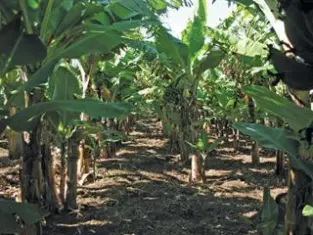
Improving smallholder banana production
A multi-disciplinary research team from the Institute of Natural Resources in Pietermaritzburg is experimenting with ways to improve banana production among small-scale growers in the Eastern Cape.
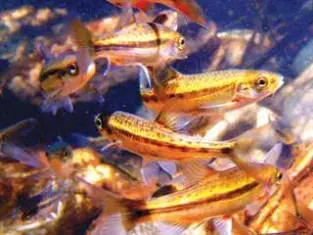
Saving SA’s fynbos fish
The indigenous fish of the Western Cape’s fynbos rivers are under severe threat from alien fish, which prey on them. In an attempt to save them from extinction, CapeNature, in co-ordination with the Cape Action for People and the Environment programme, has launched a project in the Rondegat River, Cedarberg. Denene Erasmus reports.
Glycerine shows promise as cattle feed
Feed efficiency is increased by adding crude glycerine, a by-product of biodiesel production, to feed.

Biological bollworm control
A Swiss-produced biopesticide containing a virus targeting the African bollworm is currently on trial in South Africa – and is proving remarkably effective against this destructive pest. Robyn Joubert reports.

Bioagronomy 1-2-3
A step-by-step approach to soil preparation is key to ensuring the
survival of beneficial micro-organisms and greater yields, writes Robyn Joubert.
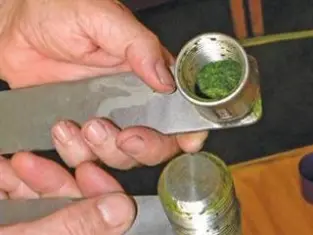
Benefits of high-Brix farming
Brix testing quickly indicates to a farmer how a plant responds to management changes, and provides an accurate picture of a crop’s health and taste. Jeff Joubert explains the method to Robyn Joubert.

Winning the fight against fruit flies
The local deciduous fruit industry has developed a successful Mediterranean fruit fly control programme that uses environmentally friendly products, as well as the ‘sterile insect technique’. Denene Erasmus reports.
Beating the scourge of PRRS
A genetic marker shows a pig’s susceptibility to porcine reproductive and respiratory syndrome.
Keep your ewes longer
The reproductive performance of a sheep flock can be improved significantly if farmers retain their best ewes for an extra year or two.

Commercial potential for the humble cactus pear
Dr Maryna de Wit and her team at the University of the Free State are studying commercially viable uses for the cactus pear. The researchers argue that although South Africa produces huge quantities of the crop, its many uses have never been fully exploited here. Annelie Coleman reports.

Genetics fit for the environment
Professor Frikkie Neser, of the University of the Free State’s department of animal, wildlife and grassland sciences, says that breeders should aim for livestock suited to particular production environments. Lloyd Phillips reports.

A new way of controlling pom pom weed
This invasive alien plant is difficult to destroy, but trials at Nyoka Wildlife Conservation have shown good results, writes Dave Vanderspuy.