
Successful pollination is not a simple case of putting hives in an orchard when flowering begins; it requires careful planning well before the first flowers open.
Arné Stander, beekeeper and entomologist at Babylonstoren wine farm in Franschhoek, Western Cape, says good communication between the farmer and beekeeper is an essential first step.
“Flowering periods can shift with changing weather conditions, making regular communication between the farmer and beekeeper essential throughout the season,” says Stander.
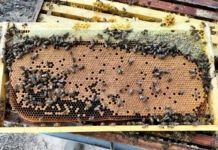
Pollination success can be limited by bringing in colonies after a significant percentage of the crop has already flowered or introducing weak colonies.
“The farmer and beekeeper should discuss expected flowering dates, the number and strength of colonies required, arrival and removal dates, access routes, and payment conditions well in advance,” says Stander.
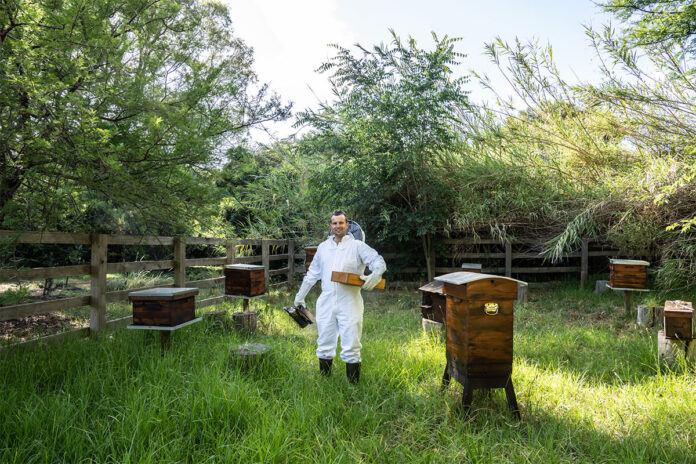
Hive placement deserves careful consideration. Sites should be level, with access to clean water, and protected from unnecessary disturbance, livestock, flooding, theft, and excessive exposure.
“Colonies should be accessible and not be placed where normal farming activities continually obstruct bees’ flight paths,” says Stander.
Concentrating all the colonies in one corner of a large orchard may result in bee activity being focused in that area rather than spread evenly across the crop.
Pesticides require careful coordination
One of the most important conversations concerns pesticide applications. The farmer, beekeeper, crop adviser, and spray operator need a clear communication system so that potentially harmful products are not applied without giving the beekeeper enough time to move or close the hives.
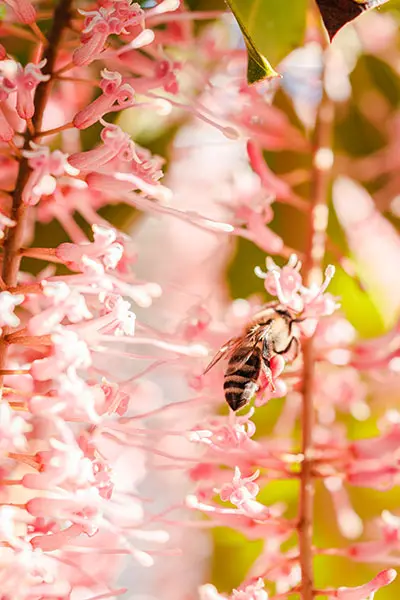
Even a product with relatively low toxicity can cause problems if it is applied over open flowers while bees are actively foraging. Bees may be exposed through direct contact or by carrying contaminated pollen, nectar, or residues back to the colony. This can kill large numbers of bees, reduce colony strength, or disrupt normal brood care.
“Responsible pesticide timing is a practical step that every farmer can begin implementing immediately to prevent acute colony losses while also protecting wild pollinators,” says Stander.
Pollination checklist
Make these arrangements before the first flowers open:
- Flowering: Identify the expected start, peak, and end of flowering, and keep the beekeeper updated on changes caused by weather;
- Pollination requirements: Confirm the crop’s pollination requirements with an experienced beekeeper or crop adviser;
- Secure your hives: Book the required number of colonies in advance;
- Colony health: Agree on minimum colony-strength standards;
- Hive placement: Map suitable hive positions throughout the orchard or field;
- Access: Ensure vehicles can safely reach hive sites;
- Water: Provide a reliable source of clean water;
- Pesticides: Review the full spray programme for the flowering period. All applications must comply with product labels and applicable regulations regarding timing, dosage, weather conditions, product restrictions, and legal requirements;
- Communication: Establish a direct communication channel between the farmer, beekeeper, crop adviser, and spray operator to prevent harmful exposure to bees while they are actively foraging;
- Competing flowers: Manage competing flowering vegetation where appropriate, while considering its value as forage for pollinators;
- Staff awareness: Brief farm staff about hive locations and safe behaviour around bees;
- Monitor conditions: Keep track of bee activity, flowering intensity, and weather conditions after the hives arrive, and communicate unexpected changes to the beekeeper.