


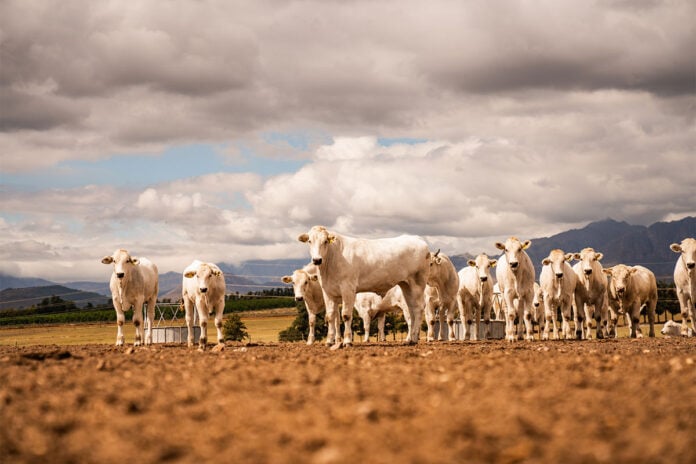
Babylonstoren in the Western Cape is one of the oldest working farms in the Cape Winelands region. In recent years, Babylonstoren has become a renowned tourist destination in the Boland. The Babylonstoren Chianina herd is managed as part of the enterprise’s overall beef production operation.
According to Lambrechts, the herd is managed with a strong focus on animal health, nutrition, breeding, and general well-being. Maintaining top condition, selection of quality breeding animals and the production of high-quality beef form the cornerstones of the herd.
Pasture to plate
“From raising the cattle on the farm to serving their beef in our restaurants and offering it through our farm shop, we can share the journey from pasture to plate with our customers. Although we understand that the ultimate goal is to produce quality beef, these animals are so much more than just numbers or a product to me. They are almost like children, and we genuinely care about their well-being. For me, good farming starts with happy, healthy animals. We want to keep building on our best genetics, making the most of what the farm has to offer and giving our animals the care and respect they deserve every step of the way,” says Lambrechts.
The Babylonstoren Chianina herd was established in 2015 by the late Christo Botha, with the aim of introducing, as Lambrechts puts it, “the impressive Italian cattle breed” as a viable option for the farm’s beef production operation. The initial genetics were sourced from Christiaan Daniel de Jager, who established South Africa’s first Chianina stud, the O-La-La Chianina stud, laying the foundation for Babylonstoren’s herd.
Quality and traceability
The animals are specifically earmarked for the Babylonstoren restaurant and online shop. The farm-to-table allows Babylonstoren to retain a closer connection between rearing the animals and the food eventually served or sold. It also gives the farm greater control over product quality, maturation, processing, and traceability, while making use of a wider range of cuts. Offerings include fresh beef cuts, mince, stewing beef, burgers, boerewors, and cured products such as bresaola and salami.
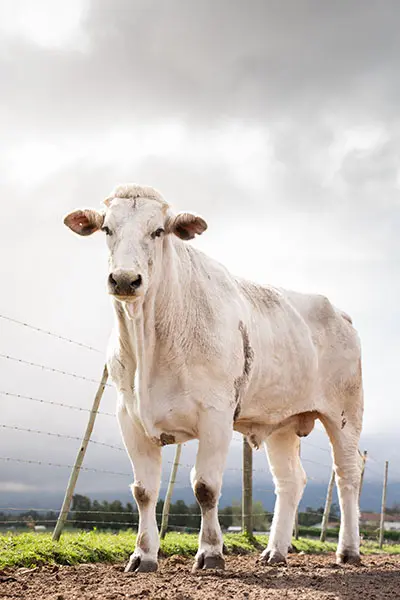
“Chianina cattle are one of the largest breeds in the world and are recognised for their white coats, long frames, and well-developed muscles. They are valued for rapid growth and the production of lean beef with a good carcass yield of up to 65%. At Babylonstoren, the breed also offers a distinctive connection to Italian food culture and makes it possible to raise a specialised beef product on the farm.
“In 2023, as part of our Heritage Day celebrations, we slaughtered an ox for the express reason to make boerewors. This resulted in 1,6km of boerewors. It was a memorable way to demonstrate how much product can be made from one animal and to celebrate a South African food tradition. A story like this can also help customers understand whole-animal utilisation,” says Lambrechts.
Natural veld and planted pastures
The Babylonstoren herd currently consists of 48 Chianina cattle, which are kept on natural pastures. This allows them to graze in a natural environment as part of Babylonstoren’s farming approach. The aim is for carcasses to weigh between 350kg and 450kg. The animals are generally slaughtered at around 18 to 24 months. The Chianina steaks are among the most popular dishes at Babel, Babylonstoren’s signature restaurant. According to Lambrechts, guests love the quality and flavour of the Chianina beef.
“Our Chianina cattle graze on a combination of natural veld and planted pastures. We also supplement their diet with barley hay, which we produce on the farm. This allows us to make use of our own resources while ensuring that the animals have additional feed when needed.
“We manage our grazing through careful observation of the pastures, monitoring how much grazing remains in each field before moving the cattle. This helps us rotate the herd responsibly, prevent overgrazing, and ensure that the different pastures are used evenly. Our aim is to maintain healthy grazing areas while providing the cattle with a suitable, grass-based diet. We do not use growth hormones,” he says.
Animal health and biosecurity
A general animal health and treatment programme recommended by the herd’s local veterinarian is followed. This includes appropriate vaccinations and preventative treatments to help keep the herd healthy and protect the animals against common diseases and parasites.
The cattle are monitored regularly; any health concerns are addressed as they arise. Treatments are adjusted according to the animals’ needs and the conditions on the farm. The approach is to focus on prevention, good herd management, and veterinary guidance to maintain the overall health and well-being of the cattle.
Biosecurity is taken very seriously, especially in light of recent foot-and-mouth disease concerns in the Western Cape. Sanitising spray systems have been installed at the gates to disinfect vehicles before they enter the premises. The biosecurity measures furthermore include a sanitising station at the milking parlour for guests to sanitise their hands and shoes before joining any of the Babylonstoren tours.
Selection criteria and carcass quality
“When selecting our breeding animals, we look at things like good structure and strong feet, fertility, temperament, health, and growth. We also pay attention to how well the cows mother their calves and the quality of the offspring they produce. With our Chianina cattle, we want good muscle development and strong carcass potential, but not at the expense of soundness and easy calving. When choosing replacement heifers, we look for healthy, well-developed animals that come from good, productive mothers,” says Lambrechts.
Breeding principles
The Babylonstoren heifers are put to the bulls at around two years of age. Because the bulls are fairly big, Lambrechts and his team prefer to wait until the heifers are developed enough to handle the mating safely, minimising the risk of injury. The average birthweight fluctuates between 45kg and 60kg, with a weaning weight at six months of between 250kg and 350kg, and an average daily gain of approximately 2kg. The pregnancy rate is 92%.
Another bonus is the Chianina’s calm and even temperament, which makes day-to-day management easier. Temperament is a consideration when it comes to the Babylonstoren team’s selection of animals to be kept for breeding or be sent to slaughter.
Room for growth
“I believe there is plenty of room for growth in Chianina breeding in South Africa, both in the stud and commercial sectors. The breed offers great growth potential, muscularity, and lean beef production, which could make it a viable option for farmers looking to improve their beef production. Crossbreeding is also worth considering, depending on the farming system. I think more farmers should give commercial Chianina breeding a chance and see what the breed can offer them,” says Lambrechts.
For more information, email Kobus Lambrechts at [email protected].