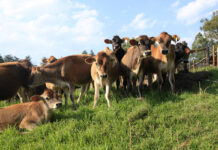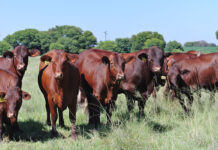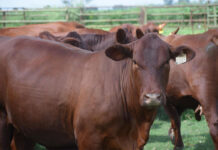

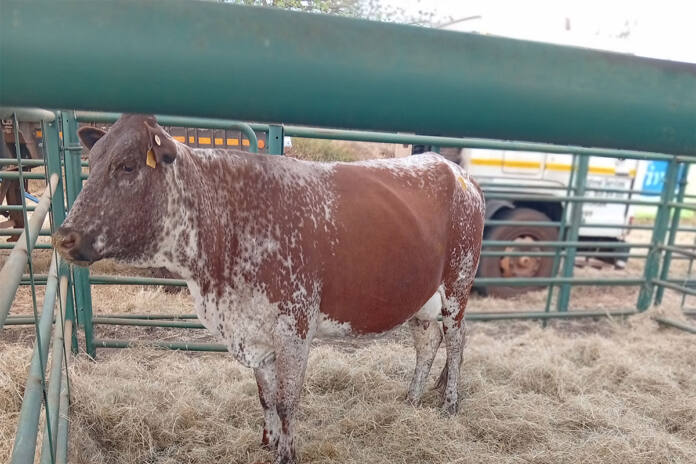
Zimbabwe has three main indigenous cattle breeds: Nkone, Tuli, and Mashona. These have evolved over generations to adapt to local climatic conditions, diseases, and grazing environments, making them well-suited to the country’s farming systems.
Mark Stubbs, a cattle breeder and owner of Fertyline Mashona Stud in Headlands, which is registered with the Mashona Cattle Society of Zimbabwe, said the society will continue its work on preserving the genetic purity of the indigenous Mashona cattle breed while improving its productivity, adaptability, and overall performance.
He added that the society is committed to promoting the breed’s unique qualities and ensuring it remains competitive within Zimbabwe’s livestock industry.
“It is our responsibility as custodians of the genetics to maintain the purity of Zimbabwe’s unique Mashona cattle for the benefit of ourselves and our future generations,” said Mark.

“The society has a role to play in helping to achieve food security and supporting rural livelihoods by producing high-quality genetic stock and sharing information on its importance with farmers and communities.
“Selective breeding, beef performance recording, and bull performance testing are important management practices for improving beef performance.”
Mark added that the society maintains pedigree records, verifies breeding information, resolves disputes over breed purity, and carries out inspections for herd accreditation in accordance with Zimbabwe Herd Book regulations.
“We also work closely with the government and other stakeholders to advance the development of Mashona cattle and indigenous breeds in general,” he said, encouraging interested breeders to join the association.
Pedigree breeders focus not only on production but also on the quality of the animals they produce, as high-quality animals can be valuable breeding stock and can generate significant returns through the sale of their genetics and offspring.
Growing preference for hardy breeds
However, in Zimbabwe, productivity isn’t the only consideration. Livestock that can tolerate harsh environmental conditions, reproduce reliably, are resistant to diseases and parasites, and survive droughts are becoming increasingly popular with farmers. These traits are particularly important in extensive farming systems that rely heavily on natural grazing.
This is why indigenous breeds continue to attract interest, as they have been developed over generations to be resilient and well adapted to local conditions.
Prominent Midlands Province cattle breeders Philip and Linda Reed are passionate about the Tuli breed, which they believe is well suited to Zimbabwe’s farming conditions.
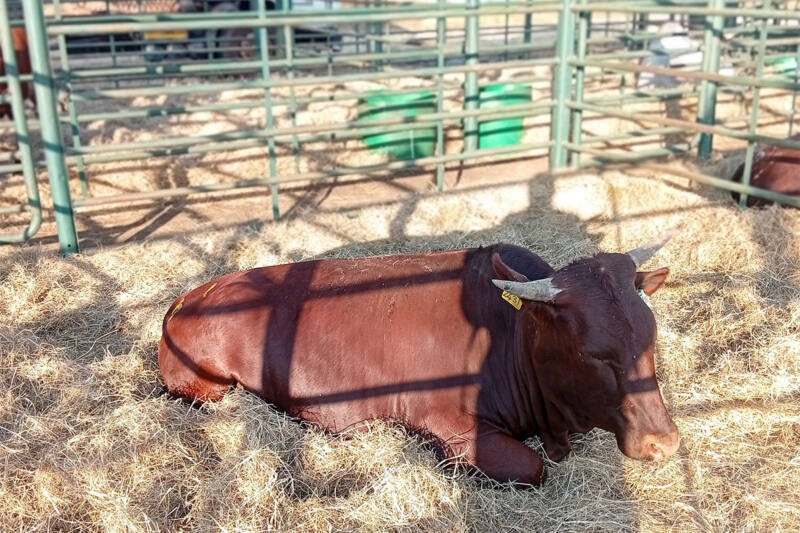
Although they also breed Brahman cattle, Philip said the Tuli is his favourite due to its exceptional fertility and adaptability.
“My heart is mostly with the Tuli breed. Around 90% of our Tuli cows achieve pregnancy, which is a remarkable performance.”
He said working with Tuli cattle has been rewarding, citing the breed’s resilience and efficiency under extensive farming systems.
“Working with Tuli cattle has given me a huge amount of pleasure over the years. The breed’s [conformation] plays a crucial role in its survivability, fertility, and production efficiency.”
Rising interest in Nkone cattle
According to the Nkone Cattle Breeders Society of Zimbabwe, the breed is attracting increasing attention as farmers turn to climate-resilient and economically viable livestock.
Society director Tara Maidwell said Nkone cattle are recognised for their drought and disease resistance, as well as their performance under challenging grazing conditions.
“These qualities make the breed particularly suitable for both communal and commercial farming systems.
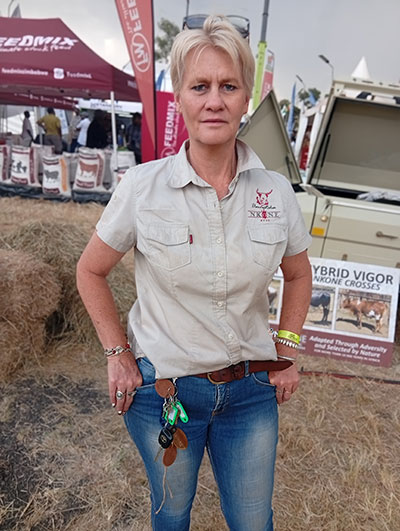
“Over the past five years, we have worked to revive and promote the Nkone breed, helping farmers understand that indigenous cattle are well suited to Zimbabwe’s environment and production systems.”
She added that the breed’s hardiness and lower production costs offer farmers a practical solution at a time when the livestock industry is facing rising input costs and increasing climate-related pressures.
Sale draws strong interest in Nkone
The annual Zimbabwe National Indigenous Breed Sale was held on the final day of the show and was opened with addresses by Agricultural Dealers and Manufacturers Association (ADMA) Chairperson Marco Garizio and Zimbabwe National Indigenous Breeds Society Chairperson Mark Hook.
Both speakers emphasised the role of indigenous livestock breeds in Zimbabwe’s agriculture sector, particularly their resilience, adaptability, and growing value in commercial and pedigree operations.
They also pointed to the increasing recognition of indigenous breeds as viable options for farmers facing recurring droughts and pressure on grazing areas.
According to Dr Nyasha Maboreke, a cattle farmer and breeder from Nyabira, purchasing Nkone cattle at the sale is a strategic move. He invested thousands of dollars in elite breeding stock at this year’s sale, which he views as a long-term investment aimed at improving the quality and productivity of his herd rather than a short-term expense.
“An animal purchased today may influence hundreds of [its] descendants over the course of a decade, spreading desirable traits throughout a herd or flock and generating returns that far exceed the original purchase price.
“I love Nkone cattle because they are beautiful. I recently purchased a pregnant cow and her grown calf, as well as a pregnant heifer. This means I will be adding five head of cattle to my herd, in addition to the Boran and Nkone I already have,” he said.
Livestock auction results
The auction was a strong success, reflecting high demand for quality genetics.
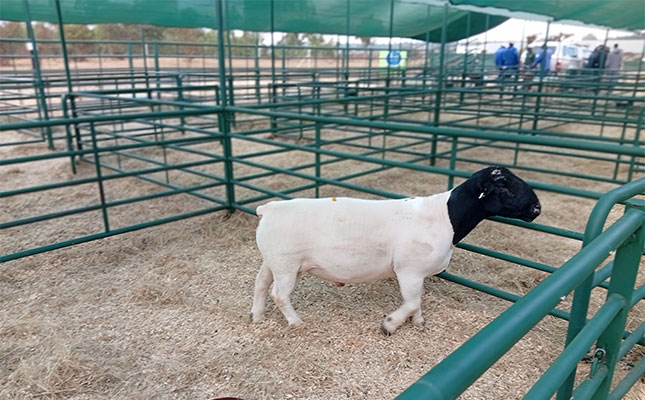
The sheep section saw a good turnout of nine Dorper rams, which sold for an average of US$ 983 (around R15 900) each, with a maximum price of US$1 500 (R24 200). The Dorper ewes were also sold for US$400 (R6 500) each.
Among the indigenous cattle, the Mashona breed drew the most interest, with a bull selling for US$4 250 (R68 800). A herd of 19 heifers also attracted strong bidding, averaging US$1 379 (R22 300) each, with a top price of US$1 600 (R25 900).
Nkone cattle also performed well, with three bulls sold at a flat price of US$3 000 (R48 500), a cow-and-calf combination for US$2 100 (R33 900), and heifers averaging US$900 (R14 600) each, with a top price of US$1 100 (R17 800).
The Tuli breed also attracted strong interest, with very competitive bidding throughout the auction. The standout bull achieved the highest individual price of US$6 000 (R97 100), compared with an average of US$3 875 (R62 700) across the other four bulls.
One Tuli cow sold for US$2 200 (R35 600), while another sold for US$2 300 (R37 200). A large commercial line of 24 heifers closed the event, averaging US$1 421 (R23 000) each, with a peak price of US$2 000 (R32 370).