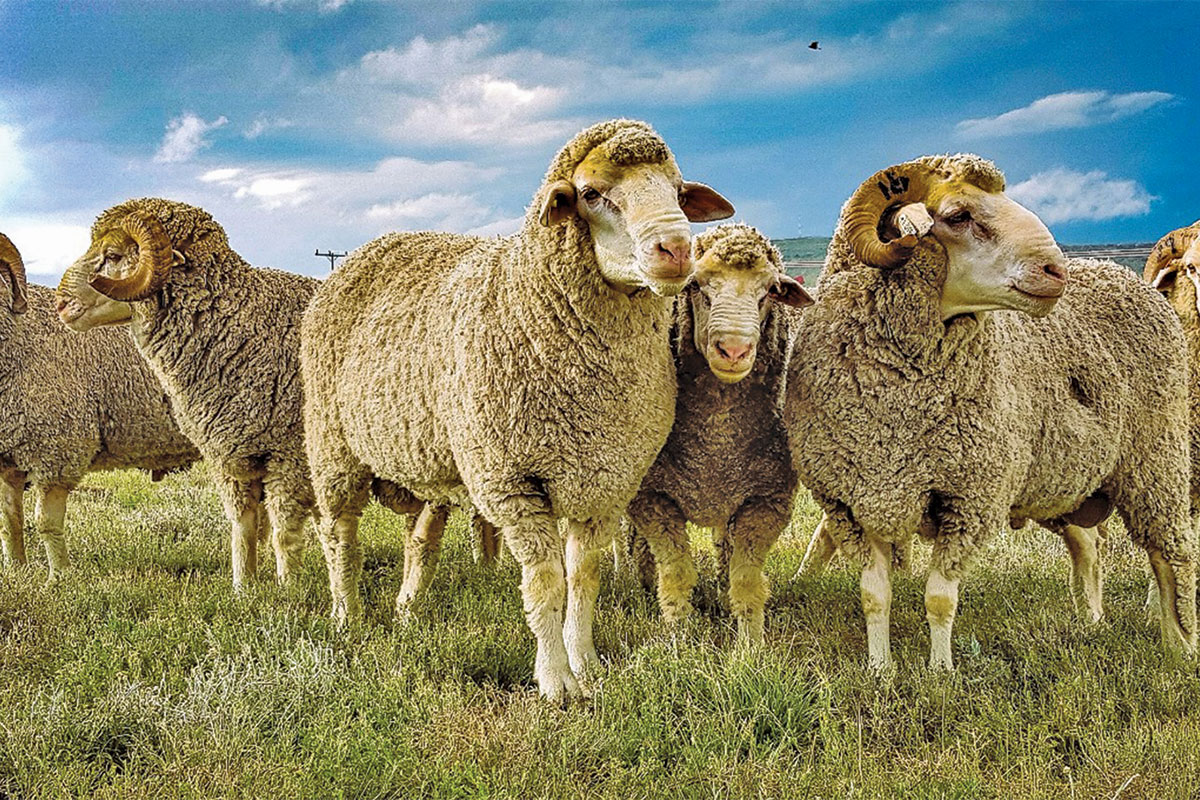
Merino sheep remain at the heart of South Africa’s wool and mutton industries, with their adaptability, dual-purpose traits and genetic progress driving their continued dominance in the country’s livestock sector.
Speaking to Farmer’s Weekly, Grant Naudé, president of Merino South Africa (Merino SA), says the breed’s versatility gives farmers a unique level of stability in a volatile agricultural market.
“The Merino is not just another sheep. It is the cornerstone of the South African sheep industry.
“What makes it stand out is its dual-purpose advantages. It produces world-class wool that sells at premium prices internationally, while also delivering lean, tender meat that meets both local and export demand.
“If wool prices dip, carcass value can carry you through, and if the meat market is under pressure, the wool cheque brings stability,” he says.
Adaptability across South Africa
According to Naudé, South Africa’s diverse climate and landscapes make adaptability a key trait in any successful livestock breed.
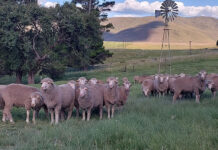
Merinos have proven themselves in regions ranging from the dry Karoo to the sourveld and irrigated pastures.
“Their adaptability allows them to thrive in all these systems. On tough shrub veld, they still manage to produce a valuable fleece and rear lambs. On planted pastures, they grow rapidly and show high fertility. Even in feedlots, Merino lambs finish into strong carcasses,” he says.
Naudé adds that this flexibility is a major reason why Merinos dominate sheep numbers across the country, offering both small-scale and commercial farmers reliable production options.
Production systems
Unlike many breeds, Merinos do not force farmers into one production system. Naudésays they excel in both extensive and intensive setups.
“In extensive systems, they survive well on natural grazing, keeping input costs low. But in intensive conditions on irrigated pastures or in feedlots, they also perform exceptionally. The lambs convert feed efficiently and provide a uniform product for the market.”
This adaptability means Merinos are a viable option for farmers with minimal infrastructure as well as those running advanced, commercial operations.
‘The Gold of Fibres’
Merino wool continues to enjoy strong global demand, supported by fashion trends favouring natural and sustainable fibres.
“Merino wool is often called the gold of fibres. It’s prized for its softness, elasticity, strength and breathability. Unlike synthetics, it regulates temperature, resists odour and is biodegradable. South African Merino, in particular, has a reputation for being clean, consistent and well classed, which makes it highly sought after,” says Naudé.
These qualities make Merino wool a preferred choice for luxury suits, sportswear, outdoor clothing and even baby garments.

Balancing wool and meat
According to Naudé, farmers do not have to choose between meat and wool production when running Merinos. Instead, genetic management allows flocks to deliver both income streams effectively.
“With the Merino, you’re getting both wool and meat. By selecting rams with good wool traits, strong growth and fertility, you can build a flock where each ewe produces a valuable fleece while raising lambs that yield quality carcasses,” he says.
The role of flock management
Naudé adds that good management is crucial in maintaining wool quality and productivity.
“Wool and lamb production are a direct reflection of flock management. If sheep go hungry, you’ll see a break in the wool. If parasites aren’t controlled, fibre weakens. Clean shearing, balanced nutrition and steady condition all contribute to consistency. Buyers pay premiums for predictable clips, so disciplined management pays off,” he explains.
Breeding and genetic selection
Naudé further mentions that modern breeding strategies are opening up new possibilities for flock improvement.
“Farmers today have tools like performance testing, artificial insemination, embryo transfer and genomic testing at their fingertips. These allow us to measure traits like growth, fertility and wool quality scientifically. With proper selection, we can keep improving flocks with every generation,” he says.
Genetic selection remains the foundation of Merino progress. “Without careful genetic selection, flocks stagnate, and we risk losing critical traits like fertility, wool quality and hardiness.
“Fortunately, South Africa has over a century of strong Merino genetics. By maintaining strict breeding goals, we can ensure each generation is better than the last.”
A breed built for the future
With its balance of wool and meat, adaptability across production systems and strong genetic foundation, the Merino breed continues to secure its position as the backbone of South African sheep farming.
“In today’s farming world, efficiency is everything, and the Merino gives you exactly that,” says Naudé.
Sustainability and the next generation
While productivity is crucial, sustainability remains the defining challenge for livestock farming today. Naudé believes farmers must think beyond short-term returns and ensure their flocks are managed for long-term resilience.
“We don’t only want flocks that are productive in the short term; they also need to be sustainable in the long term. We are merely custodians of this industry. We have to pass it on in a better condition than we received it. That’s the crux of sustainability,” he says.
Breeding for success
When it comes to Merino breeding programmes, Naudé identifies several key traits that farmers consistently select for.
“Number one is high fertility, which translates into more lambs and more profit. Good mothering instinct, strong milk production and lamb survival all follow from that.
“Early growth is another priority, because faster-maturing lambs reach the market sooner, saving farmers time and costs.
“Of course, quality wool remains non-negotiable, since it’s our export product, and lastly, strong constitution and adaptability are essential so that animals can handle veld conditions and still perform.”
Balancing these traits, he says, is what makes the Merino “unbeatable as a commercial option”.
Nutrition for optimal performance
Nutrition is another cornerstone of Merino productivity. As high-performing animals, Merinos require balanced diets to reach their potential, Naudé stresses.
“The more food you give a Merino, the more performance you get out of it. And by food, I don’t only mean artificial feed out of a bag; it’s also about correct grazing practices and ensuring access to quality pastures.
“Pregnant ewes need extra energy and protein, lactating ewes require strong nutrition for milk production, and lambs benefit from creep feeding to grow quickly and reach market readiness faster,” he says.
Rams, he adds, also need careful nutritional management.
“Breeding rams must be kept in optimal condition. Not overfed, but strong and fertile. Minerals like selenium, zinc and phosphorus are also vital for fertility, immunity and wool production. Feed them well, and it pays back double in wool and lambs.”
Managing health challenges
For Naudé, good health management starts with prevention.
“The reality is that prevention is better than cure. Common health challenges in Merinos include internal and external parasites, as well as metabolic stress around lambing. Farmers need strict vaccination programmes, regular condition scoring and calm handling of animals.
“These are not house pets, they’re production animals, and how you manage them directly impacts their performance.”
Naudé says that a disciplined, preventive approach reduces losses and improves flock efficiency, which is vital in today’s cost-sensitive farming environment.
Calm handling and preventive care
Naudé says that animal health isn’t only about medicine, but also about management.
“Every time you work with sheep, there’s a certain amount of stress involved. If you work calmly, you avoid raising stress levels unnecessarily. Strategic dosing, calm handling and vaccination programmes all go a long way.”
For him, the principle is simple: healthy sheep thrive. “They produce high-quality wool and strong lambs. Every rand invested in prevention comes back tenfold in production.”
Backbone of the industry
When asked about Merino sheep’s place in the wider South African context, Naudé doesn’t hesitate.
“Merinos are the backbone of the South African wool industry. They produce most of the fine apparel wool that puts our country on the global map. This industry brings in foreign exchange and supports thousands of jobs, from shearers and classers to exporters and farmworkers.
“On top of that, Merino lamb and mutton strengthen the red meat industry.
“So each Merino farm supports not just a family, but the entire agricultural value chain.”
Challenges facing merino farmers
As president of one of the country’s largest small-stock associations, Naudé has a clear view of the obstacles facing farmers.
“Climatic extremes, rising parasite resistance, fluctuating wool and meat prices, and labour shortages are all real challenges. But the biggest long-term pressure has been stock theft.
“Districts like Ermelo in Mpumalanga were once leading wool producers, but theft drove many farmers out of small-stock farming.
“Add to that predator pressure in areas bordering game reserves or cattle operations, and it’s tough for farmers to keep their heads above water,” he says.
Yet Naudé is quick to point out that challenges must be balanced with opportunity. “We must focus on the positives. Global demand for natural fibre is rising. Genetics and technology are rapidly advancing. Genomics, for example, is a game-changer, even if many farmers aren’t yet aware of it.
“Our role as industry bodies is to equip farmers with tools to improve fertility, growth and wool in as short a period as possible,” he says.
Interestingly, while wool remains a flagship product, Naudé says farmers are actually making more from reproduction and meat than from wool now.
“Personally, I consider myself a meat producer first, and only secondly a wool producer. But both remain crucial, and together they give the Merino a unique edge.”
Adapting for the future
As the conversation draws to a close, Naudé reflects on adaptability.
“Farmers have had to adjust. Wool was once the main driver, but many now look to meat to sustain their businesses. That adaptability keeps us alive,” he says.
For him, the bigger question is about generational responsibility.
“As small-stock producers, we must start owning our industries. Today’s buyer is different. We’re producing lambs for slaughter and for feedlots. We must adapt to our buyers’ needs.”
For more information email [email protected].