

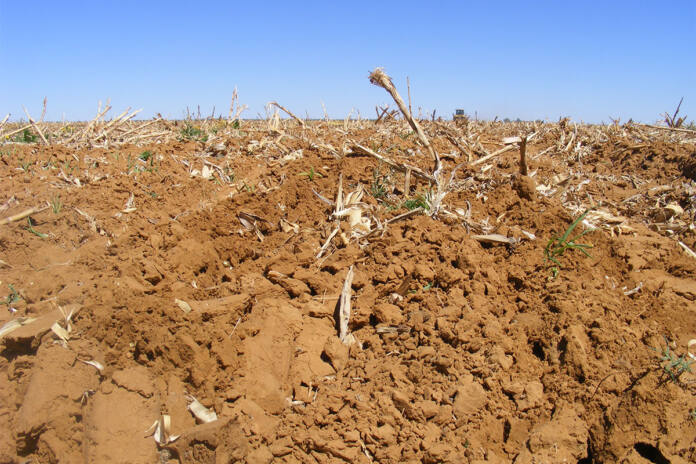
Farmers battling witchweed (Striga spp.), broomrape (Orobanche spp.), or (Alectra spp.) know the frustration: crops appear stunted, yields decline sharply, and even good rainfall cannot compensate for the hidden damage below ground. What is often overlooked, however, is that parasitic weeds aren’t just a weed problem; they’re also a soil health problem.
Unlike ordinary weeds, parasitic species attach directly to crop roots and extract water, nutrients, and carbohydrates. By the time they emerge above the soil, most of the damage to the plants has already been done.
The seeds of these weeds can remain viable in soil for up to 20 years. Parasitic weeds can also go undetected in the early stages of growth, and severe outbreaks can cause total crop failure, with maize, sorghum, and millet especially susceptible.
These weeds thrive in degraded soils, particularly those low in nitrogen and organic matter. Poor soils trigger the release of strigolactones in crops, which are chemical signals that stimulate parasitic weed germination, while weak crops are easier to attack.
Healthy soils break this cycle by reducing the germination signals, strengthening crop growth, and supporting beneficial micro-organisms. Therefore, improving soil health reduces both weed pressure and crop vulnerability.

Soil fertility and crop diversification
Field-proven strategies for parasitic weed control include improving soil fertility by using compost, manure, or crop residues; introducing green manure; and using nitrogen fertilisers where possible. Regular application of moderate organic inputs can drastically reduce Striga over two to three seasons.
Diversifying cropping systems is recommended, as monocropping encourages parasitic weeds. Rotating grains with legumes such as soya bean and groundnuts, and intercropping maize with the legume Desmodium is highly recommended. These practices help reduce the weed seed bank and improve soil nitrogen and overall farm resilience.
Controlling the spread of parasitic weed seeds is paramount. Once parasitic weeds flower, they replenish the soil seed bank. Best practice is to remove weeds before flowering, destroy them, and repeat this each season. This will notably reduce the risk of future infestations.
Healthy soil, healthy soil life
Supporting soil life is crucial. Beneficial microbes are encouraged by regularly adding organic matter, reducing excessive chemical inputs, and minimising unnecessary tillage. In addition, microbial solutions (biofertilisers) are increasingly showing promise in suppressing parasitic weed seeds.
An integrated pest management (IPM) approach is best, as no single method is sufficient. IPM combines soil fertility improvement, crop rotation and/or intercropping, the use of crop varieties that are resistant to parasitic weeds, and timely weeding. This integrated approach is crucial for the sustainable control of parasitic weeds and improved crop yields over time.
Costly short-term fixes
Parasitic weeds are costly, but so are repeated short-term fixes. Soil health-based management results in reduced input costs in the long term, more stable yields, improved drought resilience, and sustained land productivity. In practical terms, healthier soils mean more reliable income.
Producers are advised to avoid common mistakes such as ignoring early infestations, continuous monocropping, burning crop residues, and relying on a single control method, as each of these practices exacerbates the problem over time.
For more information, email Olubukola Oluranti Babalola at [email protected].