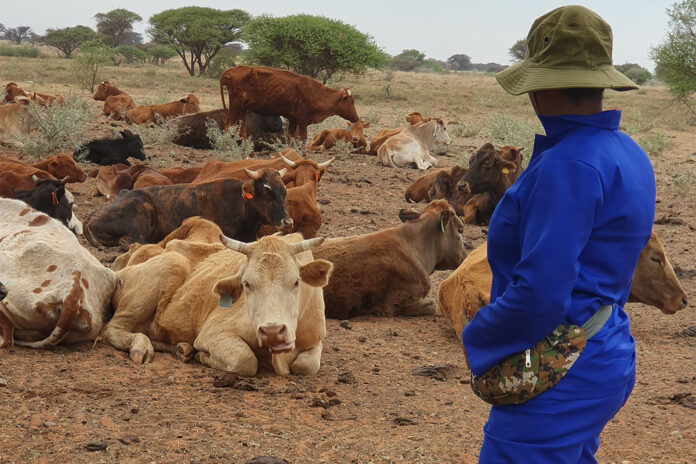
Livestock poisoning remains one of the leading causes of unexplained animal deaths, particularly in extensive grazing systems where animals roam freely. Cattle, sheep, goats, and even horses can be affected when toxic plants form part of their diet, resulting in reduced productivity, economic losses, veterinary costs, and death.
More than 600 plant species poisonous to livestock have been identified in South Africa, and these are widely distributed throughout the country. This makes South Africa one of the leading countries with the greatest diversity of toxic plants.
Species such as Lantana camara, Nerium oleander, Gomphocarpus fruticosus, G. physocarpus, Argemone ochroleuca, Solanum sisymbriifolium, Tagetes minuta, Catharanthus roseus, and Melia azedarach are among the most toxic plants in South Africa.
The impact of poisonous plants extends beyond the death of individual animals. Farmers suffer financial losses through reduced productivity, veterinary costs, lower reproductive performance, and reduced market value of affected livestock.
For smallholder farmers, the loss of even one productive cow or breeding ewe can have devastating economic consequences. Therefore, understanding poisonous plants and knowing how to respond when poisoning is suspected are essential components of good livestock management.
Why livestock eat poisonous plants
Livestock poisoning often occurs when grazing conditions deteriorate. As desirable pasture species become scarce, animals are forced to browse less palatable vegetation, including toxic plants. Hunger can override natural grazing preferences, causing animals to consume toxic plants in sufficient quantities to induce plant poisoning.
In some instances, poisonous plants are accidentally incorporated into hay, silage, or crop residues. Young animals and newly introduced livestock may be particularly vulnerable because they are unfamiliar with local vegetation.
Certain poisonous plants also become more toxic during specific growth stages or under certain environmental conditions, increasing the risk of plant poisoning.

Effects of common poisonous plants on sa livestock
Among the many toxic plant species found in South Africa, Gifblaar (Dichapetalum cymosum) is regarded as one of the most dangerous. The plant contains fluoroacetate, which interferes with energy metabolism and affects the heart. Animals often appear normal before collapsing and dying, particularly after exercise or excitement.
Lantana (L. camara), an invasive shrub found in many parts of the country, is another major cause of livestock poisoning. It causes severe liver damage, reduced appetite, constipation, and photosensitisation. Animals may develop painful skin lesions on exposed areas, resulting in weight loss and reduced production.
Tulip species (Moraea spp.) are commonly associated with poisoning in sheep and goats. Affected animals may exhibit excessive salivation, diarrhoea, weakness, reduced body condition, and, in severe cases, death. Farmers in susceptible grazing regions should remain vigilant during periods when these plants are abundant.
Ragworts (Senecio spp.) present a different challenge because their toxic effects are often delayed. Livestock that eat these plants may develop chronic liver damage over several months before visible symptoms appear. By the time signs such as weight loss, nervous disorders, and photosensitivity become evident, the damage may already be irreversible.
The economic cost of plant poisoning
The impact of poisonous plants extends far beyond animal mortalities. Production losses often begin long before death occurs. Affected dairy cows may produce less milk, while beef cattle, sheep, and goats can experience reduced growth rates and poor feed conversion efficiency. Reproductive performance may also decline due to the physiological stress caused by chronic poisoning.
For smallholder and emerging farmers, the loss of breeding stock can have devastating consequences. Replacing productive animals requires significant financial investment, while veterinary expenses and diagnostic costs further increase economic pressure. In severe cases, entire herds may be affected, threatening the sustainability of the farming enterprise.
Activated charcoal as an emergency first-aid measure
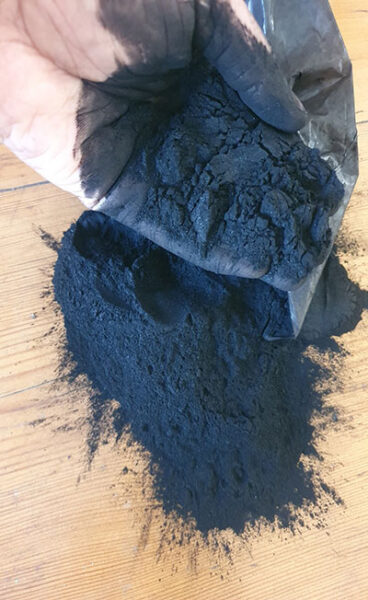
Activated charcoal is widely recognised in veterinary medicine as an effective emergency treatment for many forms of poisoning. It is produced by heating carbon-rich materials under controlled conditions to create an extremely porous substance with a very large surface area. These pores enable activated charcoal to bind many toxins within the digestive tract before they are absorbed into the bloodstream.
When administered soon after poisonous material has been consumed, activated charcoal may reduce the amount of toxin entering the animal’s body. This can significantly improve survival in selected poisoning cases.
However, activated charcoal is not a universal antidote. Some plant toxins are poorly adsorbed by charcoal, while others are absorbed so rapidly that treatment becomes ineffective if delayed. Furthermore, activated charcoal cannot reverse damage that has already occurred after toxins have entered the bloodstream.
For this reason, activated charcoal should always be regarded as an emergency supportive treatment rather than a replacement for veterinary care. Farmers should consult their veterinarian regarding the appropriate products to keep on the farm, recommended dosages for different livestock species, and correct methods of administration.
Prevention is better than cure
The most effective way to reduce losses from poisonous plants is through prevention. Sound grazing management practices play a crucial role in limiting animal exposure to toxic vegetation. Maintaining adequate forage availability throughout the year reduces the likelihood of animals browsing undesirable plants. Overstocking should be avoided, as excessive grazing pressure often increases poisoning risk.
Regular inspection of grazing camps is equally important. Farmers should familiarise themselves with poisonous plants commonly found in their production areas and remove or control them wherever feasible. Invasive species such as L. camara require special attention because of their ability to spread rapidly and dominate grazing land.
Providing supplementary feed during drought periods can also reduce the temptation for hungry animals to consume toxic plants. Similarly, livestock introduced to unfamiliar grazing areas should be monitored carefully until they adapt to their surroundings. Livestock producers should also ensure that harvested fodder is free from poisonous plant contamination before feeding it to livestock.
Regular inspection of grazing camps allows farmers to identify and remove highly toxic plants before they become a threat. Weed-control programmes should be implemented where infestations are severe, while damaged fences should be repaired to prevent animals from accessing contaminated areas.
Newly purchased livestock should be introduced gradually to unfamiliar grazing environments. Animals recovering from illness or nutritional stress should receive adequate supplementation before being exposed to veld grazing.
Farmers’ education also plays an essential role. Participation in farmer days, extension programmes, and training workshops improves awareness of poisonous plants and appropriate emergency responses.
Responding to suspected poisoning cases
When poisoning is suspected, immediate action is essential. Animals should be removed from the affected grazing area as quickly as possible to prevent further exposure. Sick animals should be isolated, and livestock producers should seek veterinary assistance without delay. Collecting samples of suspected plants can assist veterinarians in making an accurate diagnosis and recommending appropriate interventions.
Detailed records of affected animals, clinical signs of poisoning, and mortalities can also provide valuable information during investigations. Importantly, animals suspected of suffering from heart-related plant poisoning should not be forced to walk long distances, as physical exertion may worsen their condition and increase mortality.
Significant, but largely preventable
Plant poisoning remains a significant yet largely preventable cause of livestock deaths in South Africa. As climate variability, drought, and grazing pressure continue to challenge producers, the risk of plant poisoning is likely to remain a concern. Livestock producers who invest time in identifying toxic plant species, monitoring grazing camps, and implementing sound veld management practices can dramatically reduce losses and protect their enterprises.
Ultimately, successful livestock production depends not only on providing animals with sufficient feed and water but also on ensuring that the grazing environment is safe. Awareness, prevention, and early intervention remain the most effective tools for protecting livestock from the danger posed by poisonous plants.
Email Dr Walter Shiba at [email protected] or Dr Zanele Phoku at [email protected].