Understanding foot rot
Dr Hanré Bredenkamp Ferreira, veterinarian and technical manager at Virbac, says that understanding what foot rot is and how it spreads is the first step toward effective management, particularly due to its similarities with other infections.
Foot rot is a bacterial infection of the hooves caused primarily by Dichelobacter nodosus, working alongside other bacteria like Fusobacterium necrophorum.
According to the MSD Veterinary Manual, there are technically two types of foot rot in sheep, known as benign foot rot and virulent foot rot. However, benign foot rot is clinically indistinguishable from interdigital dermatitis or ‘foot scald’, which is a less severe infection that precedes virulent foot rot. Virulent (meaning dangerous and highly contagious) foot rot infects large areas of the hoof matrix, cutting the blood supply and separating the hoof horn from the underlying tissue.

Ferreira adds that D. nodosus thrives in an anaerobic environment within the hoof, where it uses skin and hoof material to grow. The infection softens and destroys the hoof structure, leading to the characteristic foul smell and severe lameness associated with the disease.
“The bacterium can be carried in the hooves of sheep and goats without showing any visible signs. It only becomes evident under certain conditions, particularly in wet and muddy environments when carrier animals spread it throughout the flock,” says Ferreira.
Distinguishing foot rot from similar conditions
Ferreira says farmers often confuse foot rot with other hoof conditions, but the differences are important to note for proper treatment. Foot scald involves inflammation of the skin between the toes.
This condition is caused primarily by F. necrophorum and produces red or white moist skin between the hooves. Crucially, foot scald does not involve the hoof horn itself and is far less contagious than virulent foot rot.
Virulent foot rot, in contrast, produces a foul smell due to the separation of the hoof horn from underlying tissue. This underrunning (separation) of the hoof is the defining characteristic that separates foot rot from simpler skin infections.
Foot abscesses represent another distinct condition. These internal infections cause severe swelling and pus formation, typically affecting only one foot on an animal. Unlike foot rot, abscesses are not contagious and involve internal joint structures rather than the hoof horn. The progression from foot scald to full- blown foot rot follows a predictable pattern.
Wet conditions first soften the skin between the toes. F. necrophorum then invades, causing surface inflammation. When D. nodosus from a carrier animal ‘colonises’ this damaged skin, it produces proteases that dissolve the hoof keratin. This leads to the underrunning that characterises severe foot rot.
Recognising early symptoms
Early detection is critical for limiting the risk of foot rot in a flock. Ferreira advises that farmers should watch for animals walking with difficulty, showing lameness, or lying down more than usual.
A pungent smell from affected hooves often provides the first clear indication of foot rot. The skin between the hooves becomes red and moist. A greyish-yellow discharge appears as the infection progresses.
As the disease advances, the sole and hoof become damaged, soft, and crumbly. The hoof may become misshapen. In severe cases, the infection can develop into foot abscesses and cause permanent lameness.
Animals in pain will walk on their knees or remain lying down. Infected sheep will typically eat less due to discomfort, lose condition, and show reduced wool growth.
These welfare concerns make rapid intervention essential, as morbidity rates can easily reach 100% among infected flocks.
Treatment approaches
Effective foot rot management requires multiple strategies working together. Ferreira emphasises that “footbathing, antibiotic therapy, and vaccination programmes should complement each other rather than being used in isolation”.
The first step involves cutting overgrown hooves properly. Equipment must be disinfected between the treatment of different sheep to prevent transmission during this process.
Weekly footbathing, with a maximum interval of 10 days, helps control the disease during wet periods. Between treatments, disinfectant or antibiotic sprays can be applied locally to affected hooves.
Ferreira advises that local treatment uses footbaths containing 10% zinc sulphate or 5% formalin. Sheep should spend at least one to two minutes in the footbath, which must be shallow enough to ensure only the hooves are submerged. Additionally, hooves must be cleaned using fresh water before they enter the footbath.
After footbathing, animals should stand on a dry concrete surface before walking onto the pasture. This allows the treatment to work effectively. Ferreira says that moving sheep to dry areas forms an essential part of treatment.
“Without addressing the environmental conditions that promote bacterial growth, other interventions will have limited success,” she says.
Systemic antibiotics and anti-inflammatory medications address pain and inflammation in more severe cases. Ferreira stresses that if over-the-counter antibiotics like tetracycline or sulfonamides prove ineffective, farmers should contact a veterinarian for further treatment.
She adds that supplementing with zinc and other microminerals, such as Virbac’s Multimin, improves hoof health and helps animals resist infection. While experienced farmers can often recognise foot rot’s characteristic signs, a professional diagnosis ensures appropriate treatment.
The role of veterinary testing
A veterinarian will perform a clinical examination by collecting swabs for bacterial culture. This identifies the specific bacteria causing the infection. Additionally, an antibiogram, which tests what antibiotics work effectively against the particular bacterial strain, is also done.
Conducting thorough testing ultimately ensures the correct treatment, and avoids the excess spending of money and time on diseases that have not been positively diagnosed. Ferreira recommends calling a veterinarian when standard treatments fail to resolve the foot rot problem. The veterinarian can also advise on prescription medicines and discuss whether vaccination might benefit the flock.
Laboratory testing becomes particularly important when considering total eradication rather than simple outbreak control.
Eradication versus control
Managing an outbreak differs substantially from attempting to eliminate foot rot entirely. Ferreira highlights that Australia has implemented an effective three-phase eradication programme that she believes South African farmers can learn from. This entails a control phase, an eradication phase, and a surveillance phase.
The control phase uses vaccination, footbaths, and parenteral antimicrobials to reduce infection numbers during active spread. The eradication phase must occur during the dry season, several weeks after all medications have stopped, and 10 to 12 weeks after vaccination.
During this phase, every sheep’s feet are inspected every three to four weeks. Infected sheep receive antimicrobials at the first inspection only. After that, infected animals are culled at each inspection until two consecutive flock examinations show no infection.
The surveillance phase examines all lame sheep immediately. If foot rot appears, the programme returns to the control or eradication phase. For South African farmers, total eradication means removing affected animals from the farm to eliminate carriers. Animals infected twice or more should be removed permanently, as they likely carry the bacteria long-term.
How rainfall increases risk
Heavy rainfall creates ideal conditions for foot rot to spread rapidly through flocks. The bacteria cause problems when hooves are softened by wet and muddy conditions.
Ferreira notes that the disease appears more commonly during times of prolonged rainfall or in irrigated camps. Wet and muddy pastures aid the distribution and spread of bacteria between susceptible animals.
“While the bacteria can survive for around two weeks in infected camps, carrier animals can harbour the bacteria in their hooves for up to three years. This makes biosecurity and flock management critical for long-term control.”
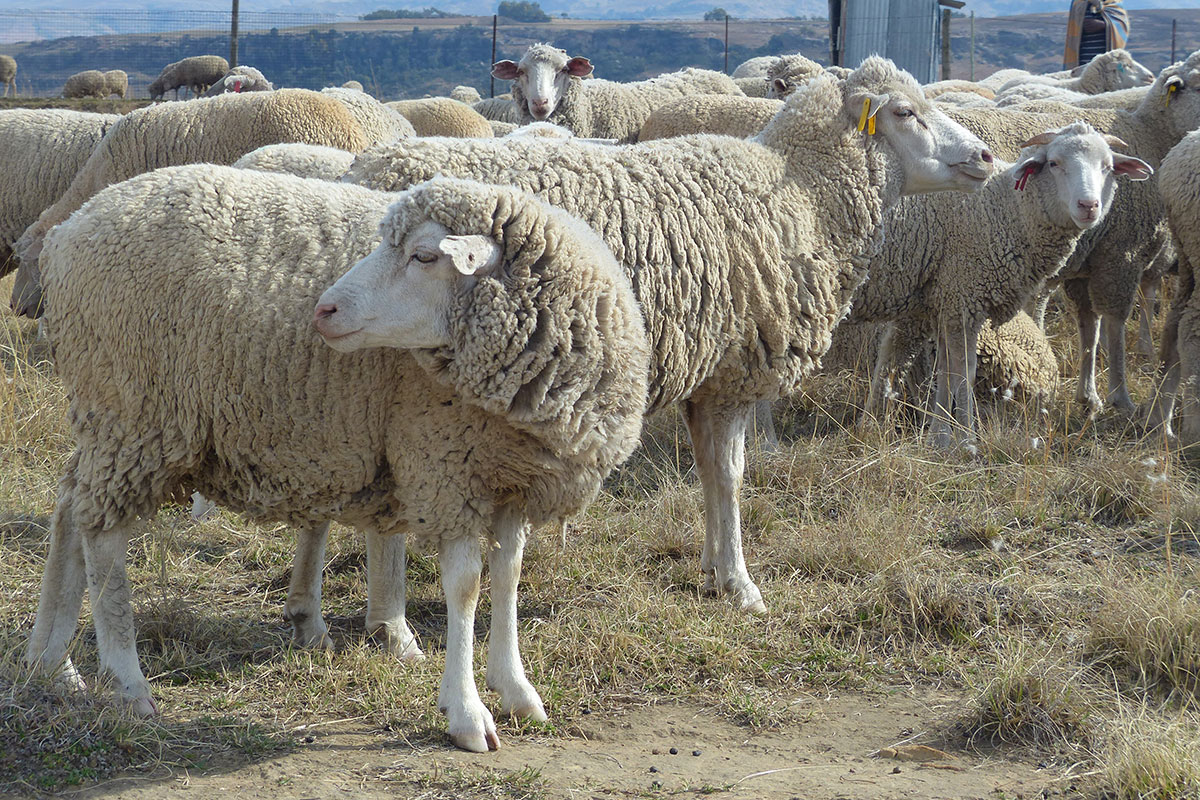
She adds that some breeds show greater susceptibility to foot rot. Merinos may be more vulnerable than mutton breeds due to their lower genetic resistance, but severe cases of foot rot in pens show no difference in susceptibility among sheep breeds.
Irrigated pastures or areas with poor drainage create ongoing risk. Overgrown hooves and a lack of property maintenance make animals more susceptible, regardless of breed.
Management in wet conditions
Ferreira explains that farmers can take several steps to reduce foot rot risk during rainy periods. First, hooves must be cut thoroughly before the rainy season begins. Ferreira stresses that farmers should stick to using footbaths regularly and to ensure sheep walk on dry surfaces after treatment.
Second, animals must be kept in well-drained pens and away from muddy areas. River sand, agricultural lime, or gravel can improve drainage in problem areas around water points and yards.
She adds that, after removing infected animals, others must be kept away from those camps for at least two weeks. Treated animals and healthy animals should be separated. When buying new animals, Ferreira advises a quarantine period to prevent introducing foot rot into the flock. During quarantine, hooves should be examined for signs of abnormalities, including malformed hooves, inflammation between digits, and underrunning of hoof material.
These examinations should be repeated until the quarantine period is over. Finally, Ferreira advises that shared facilities like sale yards and water points must be maintained to remain as dry as possible, while flocks must be closely monitored to ensure early detection of potential disease.
Foot rot also raises significant animal welfare concerns that extend beyond economic losses. Affected animals suffer inflamed, painful feet, and lameness develops quickly. In severe cases, sheep walk on their knees or simply lie down, unable to move comfortably.
Reflecting on these welfare factors, Ferreira highlights the importance of immediate attention through effective pain management and appropriate antibiotic treatment, both topical and systemic, as prescribed by a veterinarian.
Commercial sheep farming depends on maintaining animal health and welfare for optimal production. Foot rot undermines both, making prevention and rapid treatment essential management priorities, particularly in wet conditions.