
According to Marco Seefeldt, chairman of the show committee, the outbreak also resulted in the cancellation of the livestock competition at the Grootfontein show that would have commenced on 24 September. The Gobabis show, scheduled to take place between 24 and 26 September, will also not feature livestock.
“This follows a directive from the Ministry of Agriculture, Fisheries, Water and Land Reform that confirmed an outbreak of FMD in Namibia’s FMD-free zone, in the Karasburg State Veterinary District [in southern Namibia]. This means a total ban on the movement of all cloven-hooved animals in the county. The ban also affects the hunting industry,” Seefeldt told Farmer’s Weekly.
The Namibia Agricultural Union (NAU) said in a statement, given the scale of the threat to the country’s livestock industry, its rural communities and the national economy, that it calls on the Namibian government to declare a state of emergency to ensure that “the full resources and power of the state are available to contain this FMD outbreak as quickly as possible”.
The NAU called on its members to fully comply with official instructions, report any suspected movement of cloven-hoofed animals, apply strict biosecurity measures on their farms, and to refrain from sharing unverified information.
According to Martenique Scott, the Windhoek Agricultural and Livestock show committee member responsible for marketing, the region south of the Veterinary Cordon Fence in Namibia maintained a FMD-free status since the 1960s.
It allowed the country access to the EU, Norway and other high-value beef and sheep markets. The Veterinary Cordon Fence, or Red Line as it is commonly known, separates northern Namibia, where FMD is endemic, from the central and southern regions that used to be FMD-free.
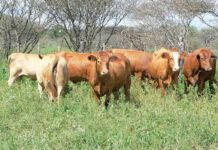
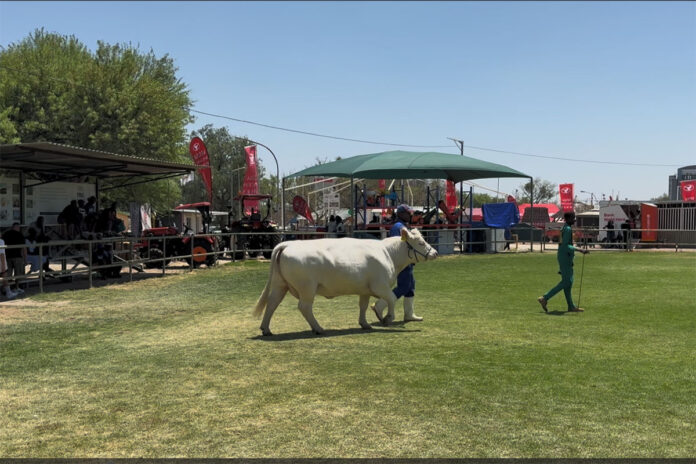
Ten beef cattle breeds were entered in this year’s Windhoek Agricultural and Livestock Show. A total of nine small-stock breeds had also been entered. More than 1000 head of livestock would have competed in the show ring.