
Latest articles
Keep it clean, treat it right
Citrus farmers lose thousands of rand annually to fungal diseases. At a recent Citrus Research International workshop, Dr Arno Erasmus, Charmaine Christie and Catherine Savage discussed ways to reduce these losses.

Trait selection and horn heritability in game animals
Maintaining focus on horn size can be risky if breeders lose sight of other traits such as mature weight and disease resistance. Trait selection affects overall quality of the animals, says Nan Smith.
A spraying strategy for CBS
In addition to understanding fungicide spray application in treating citrus black spot, producers need to implement the methodology correctly.

Affordable SA bio-digester powers local dairy farm
A Western Cape dairy has invested in a unique SA-designed bio-digester to generate electricity for its own consumption. Developed by a local engineering company, the plant is fuelled with cattle manure and yields affordable independent power.

Effective irrigation systems – horses for courses
Key factors determine the application, irrigation efficiency and economics of cost-effective sprinkler systems, whether hand-movable, solid set or centre pivot.

‘Free choice’ milking in the Netherlands
A dairy cow management system that allows cows to exercise 'free choice' about eating, resting and milking has showed positive results in the Netherlands.
Higher dairy productivity, lower greenhouse gas levels
Milk and animal production has an environmental impact – regardless. But intensifying the process can reduce this impact. Research in the Netherlands is showing the way.

Fruitlook – removing the guesswork from irrigation
The Western Cape Department of Agriculture is financing technology that enables fruit growers to measure water-use efficiency and plant growth. This could potentially save farmers thousands of rands.
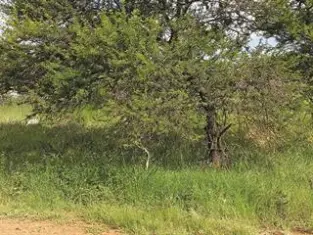
Boosting communal goat nutrition
Acacia karroo is a potential source of cheap protein for goats during the dry season, says researcher assistant David Brown.
Solving forage shortages in dairy herds
Stellenbosch student Lobke Steyn won an award for the best MSc dissertation in Animal Science in 2014. Farmer’s Weekly presents an overview of Steyn’s paper, which examined the potential of feeding non-forage fibre supplements to milking cows in winter.

Can once-a-day milking work in South Africa?
OAD milking is becoming increasingly popular in New Zealand, but can it work in SA?
Turning waste green
An alternative waste handling solution being piloted in Secunda aims to convert potentially harmful biosludge into an environmentally-friendly compost.

Managing water for the future
Local, regional and national government, the World Wide Fund for Nature and Nedbank’s Green Trust are partnering with farmers in a project aimed at restoring water balance in the Umgeni catchment of the KwaZulu-Natal Midlands, and other catchments countrywide. The aim is to insure water for the future.

Using the secrets of nature to breed better livestock
Much excitement has been generated by the advent of genomics. This technology started out as a tool to study the human species, but has now established itself in the world of animals, including cattle. Dr Ben Greyling, research team manager at ARC-Animal Production Institute, explains.

Capturing the special character of old Pinotage
Since the genome (genetic code) of human beings was published in 2000, scientists have
continued to learn more about the building blocks of many species, including the plants
that feed us.
Farmers, science and biodiversity
Fine-scale mapping is helping farmers, conservationists and government work together to save species and preserve biodiversity.
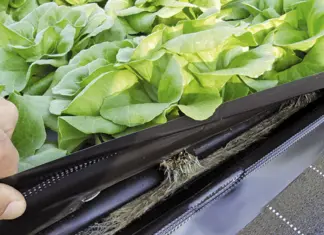
No sterilisation needed with this growing system
A versatile hydroponic system developed in Spain is slowly making inroads in the South African fresh produce sector, thanks to a strong advantage.

Rise of the techno farmer
Digital technology and innovative machinery is enabling producers to run their operations more efficiently and quickly, while cutting costs. Christi van den Heever and Danie Viljoen, production managers at Graaff Fruit, show Glenneis Kriel how some of this technology works on their farms.

Save water through plant nutrition
The need to save water is so urgent that it is no longer enough to fix leaks and prevent over-irrigation. Haifa SA agronomist Gerrit Burger says that saving water today involves manipulating its chemistry.

New malting barley varieties for the southern Cape
The South African Barley Breeding Institute promotes sustainable barley production. Francois Smit, barley breeder and plant pathologist at the institute, reports on two new varieties.