
Latest articles
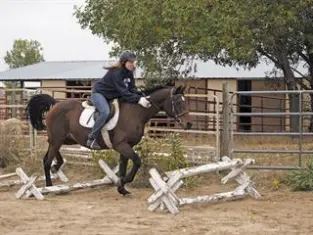
The value of trotting poles
If you are willing to put in the time with trotting poles, you will be rewarded with better balance, more elegance and a generally superior riding experience, says Kim Dyson.

Keeping your horse warm
Putting on a blanket in winter helps to maintain your horse in good condition, says Dr Mac.
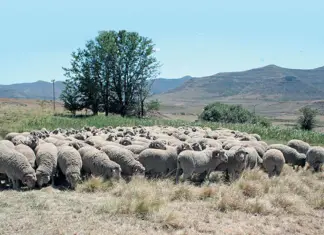
Merino stud excels in bitter Eastern Cape cold
Tink Strydom’s Hartebeesfontein Stud produces Merinos that excel on grassveld and have good medium to strong wool. He spoke to Gavin Isted.

The best tilapia for aquaculture
Riverine tilapia species are more suitable to South African aquaculture conditions than lacustrine species.
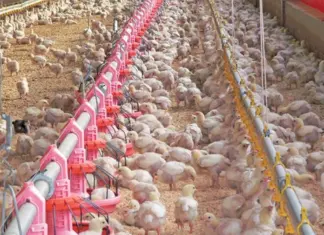
Tips for better chicken house heating and ventilation
To raise healthy and uniform birds in a chicken house, it is essential to maintain optimal heating and ventilation at all times. Sonét Roux, technical advisor at Country Bird Holdings, explains to Wilma den Hartigh what this entails, and how it can help a farmer achieve top production rates.

Starting an exercise programme for horses
Bringing a horse into work takes commitment and effort, as well as common sense, cautions Kim Dyson. Here she suggests an easy, practical exercise regimen.

How to supplement this winter
In preparation for winter, most farmers in summer rainfall areas are supplementing their livestock feed. However, agricultural researcher, Jan Hoon, explains that normal winterfeed supplementation is not enough for animals in drought-stricken areas.
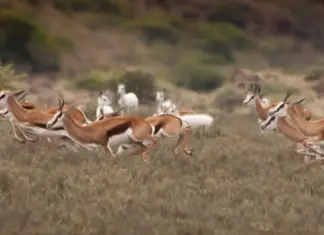
Hunting & the law
Landowners and trophy and biltong hunters should ensure they are up to date with the legal requirements for carrying ammunition and transporting meat as well as the environmental conservation ordinances.
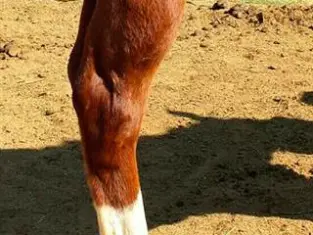
Coping with sickle hocks
Judges discriminate heavily against sickle hocks in the show ring, but how do they affect performance? Dr Mac provides some answers.

Africa’s many tilapia species
The versatile tilapia is found all over Africa, but not all species are suitable for aquaculture production.
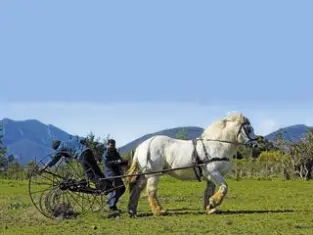
A passion for Percherons
Outeniqua Moon Percheron stud farm near Mossel Bay boasts the largest Percheron ever bred in South Africa. The stud is renowned for its ethics as well as its success in breeding massive horses, because when it comes to Percherons, bigger is better, says Jay Ferreira.
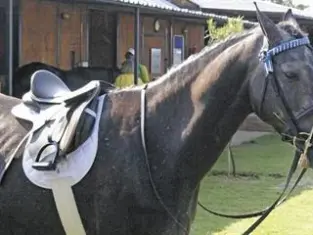
Fitting a saddle
Every horse should be equipped with its own saddle, and this should be checked twice a year to ensure that it still fits well, says Kim Dyson.

Learn about cloned horses
Although still controversial, cloning geldings to make breeding stallions with the same DNA has become big business, says Dr Mac.
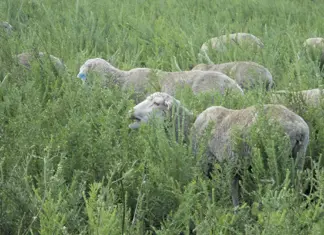
Using tannins to control parasites in smallstock
Dr Erika van Zyl discusses alternative manners in which to deal with parasites in smallstock.

Chicken trailers optimise egg production
Jo Spilsbury discusses how the use of chicken trailers has optimised egg production.

Generalist and specialist fish species
Not all fish species are suitable for aquaculture simply because they grow large in their natural habitat.

Cost effective feed for your horse
It is possible to pay less to feed your horse without compromising its health, says Kim Dyson.
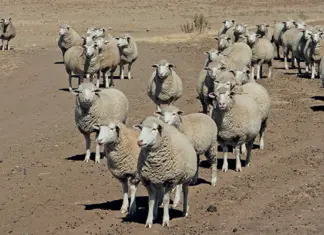
A simpler intensive sheep farming programme
Farmers are often deterred by the challenges of an intensive sheep farming enterprise. Wayne Southwood visited Dr Karin and Manie Wessels who run the Mamre Dorper Stud near Vrede, to see how it is done.

Competitive horse riders beware of buscopan!
Buscopan is effective for treating colic. But take care: the main ingredient is on the list of banned substances for competitions, warns Dr Mac.
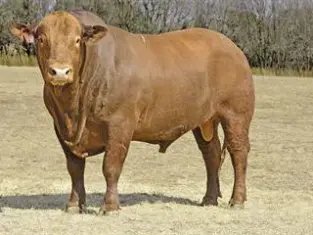
Twee Plus Brangus pushes the breed to new heights
In 2015, Flippie Kotze and his son, Walter, sold a Brangus bull for a SA record price of R500 000 at the National Brangus Sale in the Free State. Mike Burgess visited the Kotze family farm, Swartfontein, in the Aliwal North district of the Eastern Cape, to find out more about the Twee Plus Brangus stud’s recipe for success.