
According to a media release from the South African Pork Producers’ Organisation (SAPPO) on 21 January, South Africa had recorded two confirmed African swine fever (ASF) cases and six foot-and-mouth disease (FMD) cases in pigs nationally as of November 2025.
The ASF cases are confined to Gauteng, while FMD in pigs has been confirmed in the Free State, North West, and KwaZulu-Natal.
READ FMD: Pig industry on high alert as biosecurity pressure intensifies
All cases are currently under official veterinary control and are being managed in terms of the Animal Diseases Act (No. 35 of 1984), with measures including surveillance, movement controls, traceability, and prescribed response interventions.
Following the most recent outbreak, SAPPO veterinarian and head of consumer assurance, Dr Thandi Chiappero, said the new case was not unexpected and warned that further cases are likely in the weeks ahead.
“So yes, there was an extra case that was added to the list this week, and I don’t think it will be an isolated one. I think we’re going to have [more] outbreaks in the coming weeks, and it wouldn’t surprise me because of the cases in cattle. The viral load in these areas is just so high,” she told Farmer’s Weekly.
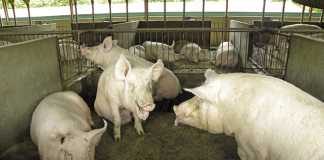
She added that the confirmation of FMD in pigs has raised concerns within the pork industry, as the disease has traditionally been associated with cattle in South Africa. While pigs are not long-term carriers, they can rapidly amplify the virus under intensive production conditions, increasing the risk of spread if biosecurity is compromised.
WATCH: Understanding African Swine Fever: A lethal threat to pigs
At the same time, ASF remains a persistent threat to the industry. Although confirmed cases are currently limited, the disease is particularly serious due to its high mortality rate in pigs and the absence of an effective commercial vaccine.
Outbreaks are often linked to informal and small-scale production systems, but spillover into commercial value chains poses a significant risk.
Chiappero said the combined presence of FMD and ASF is already affecting pork exports. “Because of our country’s FMD and ASF problems in general, our pork exports have been absolutely minimal,” she said.
She explained that facilities processing FMD-positive animals automatically face export consequences. “Any [abattoir] now slaughtering FMD animals will have its export status suspended or lost altogether, and any farm with FMD will obviously have suspended export status. That applies across the board.”
According to Chiappero, market access following outbreaks varies widely, depending on importing countries’ sanitary requirements.
“There is virtually no country that will take pigs from suspected FMD areas. Even with [SAPPO’s compartmentalisation] system, only a few countries may accept compartment animals, and there may be testing involved if there are exports,” she said.
Chiappero added that export prospects were heavily dependent on how individual countries assessed risk.
“Exports vary widely between countries and how each one wants to manage its sanitary requirements and minimise or mitigate risk. There may still be countries that we can comply with, especially within our region, where they have similar disease status,” she explained.
SAPPO reiterated in the statement that both ASF and FMD are animal health diseases and do not pose risks to human health. Pork and pork products sold through formal marketing channels remain safe for human consumption and continue to be subject to strict veterinary inspection and food safety controls.
It also urged producers and role players across the pig value chain to remain vigilant and apply strict biosecurity measures at all times, including limiting farm access, enforcing hygiene protocols, and reporting any suspected cases immediately.
While the number of confirmed cases remains relatively low, SAPPO said the current situation highlights the importance of early detection, rapid response, and close cooperation between the sector and government to protect the long-term sustainability of the country’s pork industry.