
Stormsvlei, a historic hamlet on the banks of the Sonderend River in the Overberg, is one of those places you start looking forward to returning to.
For the second year running, it became our home away from home while the Farmer’s Weekly team covered Nampo Cape in Bredasdorp.
The old buildings, peaceful setting, and free-roaming fallow deer (takbokke), certainly add to its charm. But what really makes Stormsvlei memorable are its owners, Juanika and Sven Thomson.
Juanika seems to know your name almost from the moment you arrive – and remembers it. After a frantic day of interviews, photographs and deadlines, she wants to know how things went. And she actually listens to the answer.
Sven, meanwhile, is a storyteller. Sit down with him for long enough and the conversation can wander through farming, family history, archery, weddings, Stormsvlei’s past and, eventually, perhaps even the odd ghost story.

A little town with a long story
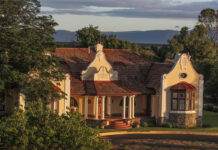
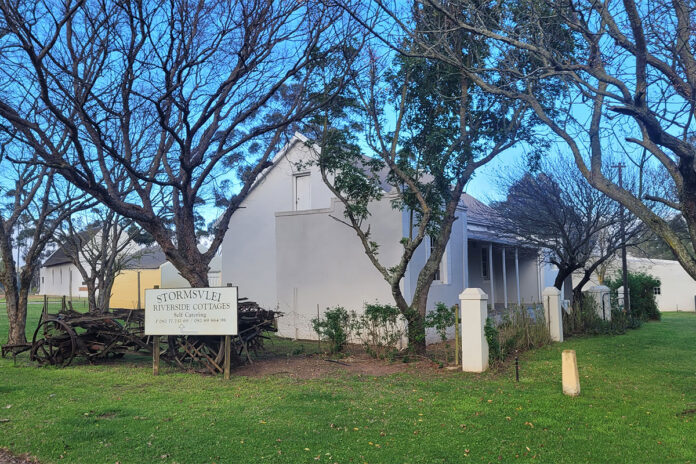
Part of Stormsvlei’s charm is that you are not simply staying at a guesthouse on a farm.
You are staying in what remains of an old settlement. Sven says Stormsvlei once had a school, police station, hotel, and trading activities. Like many small settlements, it declined as transport and trade increasingly followed the railway lines and larger towns developed around them.
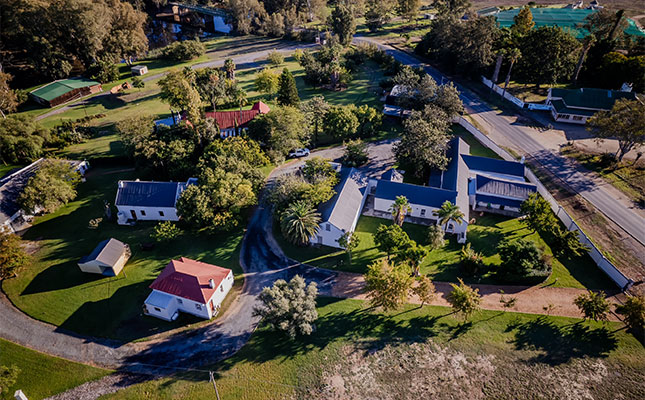
Sven’s grandfather, James George Thomson, bought the property in 1949, and he is now the third generation of the family associated with it.
Rather than allowing the old buildings to simply disappear, the family gradually restored and repurposed them. Initially, some of the restored buildings were rented out on a long-term basis, but today many form part of Stormsvlei’s accommodation offering.
It started with archery
Stormsvlei’s move into short-stay accommodation and events began rather unexpectedly – with Sven’s passion for archery.
A keen archer, he set up targets on the property and began inviting people to come and shoot. Before long, some wanted to stay over, creating a need for overnight accommodation. From there, one opportunity simply led to the next.
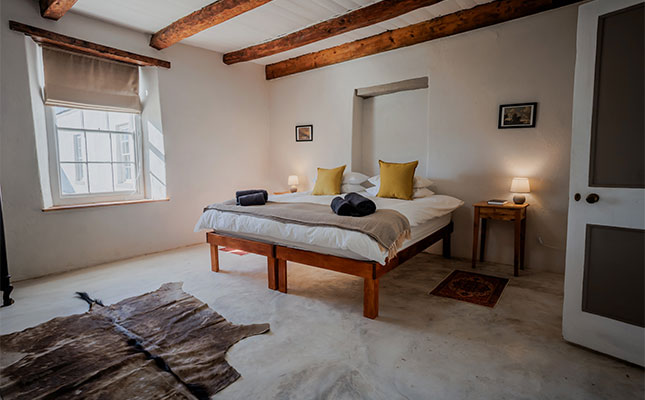
Today, Stormsvlei offers 57 beds for overnight guests, while its larger wedding venues can host more than 120 people. The property also has camping stands, with access to water and electricity, and recently opened the camping grounds to individual visitors.
In many ways, Stormsvlei still reflects that organic growth, shaped by the property, the people who came through its doors, and the opportunities that arose along the way.
Weddings under the trees
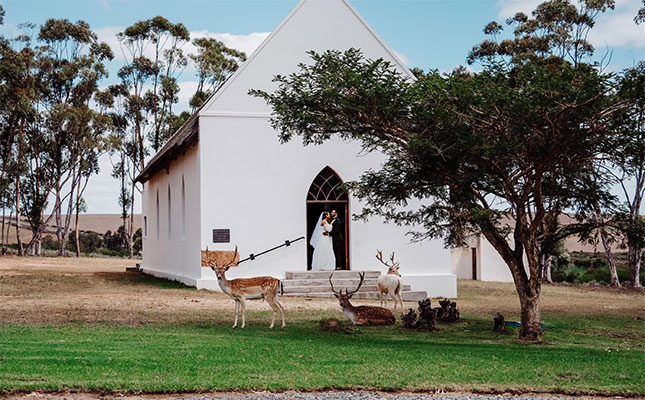
Weddings have become an important part of Stormsvlei’s story too. One of the loveliest ceremony spots is the forest church beside the Sonderend River, near an old river crossing that appears on maps dating back to the 1700s.
The weddings themselves are changing too. Juanika says they have noticed that weddings are becoming smaller, with around 80 guests now more typical. She has also seen a change in brides themselves; many seem more relaxed and less concerned with making sure every detail follows a rigid plan.
Increasingly, the emphasis seems to be on creating a beautiful setting, bringing together the people who matter and simply enjoying the occasion. As Juanika puts it: “Stormsvlei can help create the environment, but it is ultimately the guests who make the celebration.”
It is an approach that suits Stormsvlei perfectly: relaxed, personal, and more concerned with making people feel at home than with making everything look flawless.
Farming changes too
Stormsvlei’s growth as an accommodation and events venue coincided with changes in Sven’s own farming life. Until recently, he still ran a dairy and had hoped to continue for longer, but a combination of pressures brought that chapter to an end sooner than planned.
Dairy farming, he says, is all-consuming. The cows have to be milked every day, regardless of weekends, holidays or whatever else may be happening in your life.
Hospitality is demanding too. Guests arrive when other people are taking time off, weddings require days of preparation and, as the owner, Sven is never completely off duty. The difference is that he can sometimes call on someone else when a problem arises.
“With a dairy, when there is a problem with the cows or the milking operation, you have to be there yourself and sort it out,” says Sven. Leaving dairy farming has therefore not meant an easier life, but it has given him greater control over his time.
That farming background still seems evident in the way Stormsvlei is run: there is little fuss, people are looked after, and things simply get done.
And then there is the food
Of course, after a full day at Nampo Cape, charm and history only go so far. You also want to sleep well and eat well. Thankfully, Stormsvlei delivered on both.
I often struggle to sleep the first night in a strange place, but I had none of those new-place jitters here. The room was spotless, the sheets felt good, and I slept properly from the first night.
A few members of the team even found enough energy one evening to climb into a hot tub.
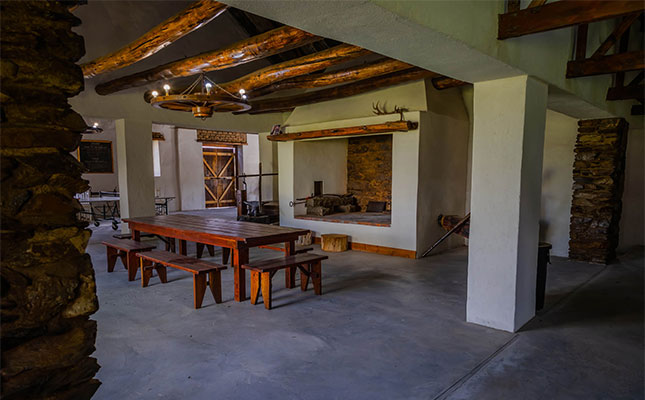
Then there was dinner. I am very much a meat person, and the meat was excellent. Yet somehow it was the salads that kept sending me back for more, which probably says more about them than any elaborate description could.
Those meals also became part of the rhythm of the stay. We would come back from Nampo feeling tired, sit down together, compare stories from the day, and slowly switch out of work mode.
Outside, the fallow deer (takbokke) wandered freely between the buildings and lawns. After a few days, even that started to feel normal.
More than just somewhere to sleep
Stormsvlei has plenty that photographs well: old buildings, large trees, the river, green lawns and wandering deer.
But those are not really the things I remember most. I remember Juanika greeting us by name and asking how our day had gone, Sven sitting down to tell one story, which inevitably became three, and good food, easy conversation, and the relief of coming back somewhere comfortable after a long day.
By the end of our stay, Stormsvlei no longer felt like accommodation we had booked for Nampo Cape. It felt like the place we came home to after Nampo. And that is probably the best reason for going back.
For more information, visit stormsvlei.co.za, or email Juanika Thomson at [email protected].