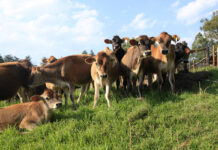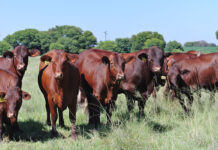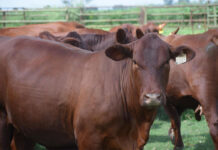

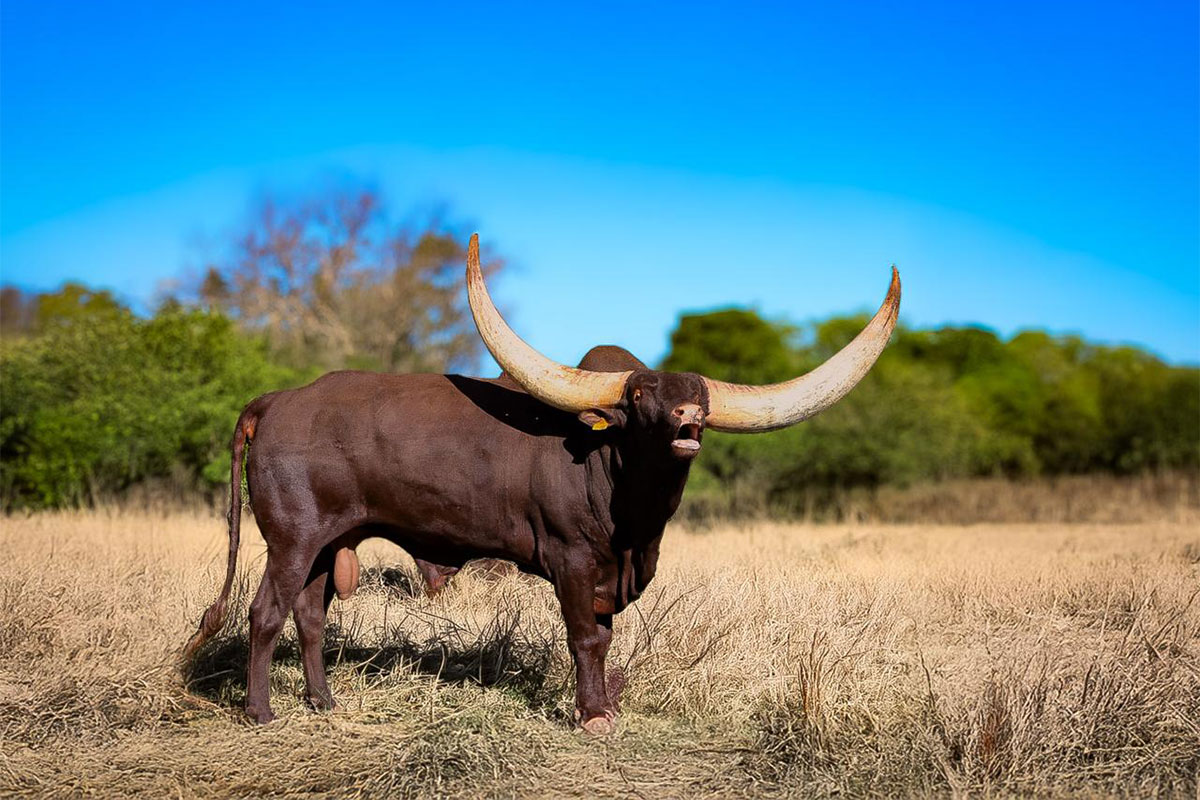
There are few sights in African agriculture as striking as a mature Ankole bull standing against the horizon with its enormous sweeping horns silhouetted in the late afternoon sun. Their calm presence, elegant movement, and unmistakable appearance immediately command attention.
At Bonnievale, Goats Window has embraced this iconic African breed as a cornerstone of both its farming and tourism enterprises. The operation farms on 4 800ha in the Western Cape, with a strong focus on Ankole cattle, game, Boer goats, and lop-eared goats.
The farm also features a luxury safari lodge, which is set to open soon. There is great excitement about the role the Ankole will play in the eco-tourism industry, as they have already become one of the most talked-about atttractions among visitors. For the owners, however, the breed represents far more than visual appeal.
“Our decision to farm Ankole was driven by three core pillars,” the owners explain.
The first was economic potential.
“Established Ankole breeders in South Africa have demonstrated that the breed offers strong financial returns, and we believe the market is still in a growth phase with significant upside.”
The second was eco-tourism value.
“Goats Window is also home to a luxury safari lodge, and the presence of Ankole cattle adds a powerful visual and experiential element to our eco-tourism offering. Guests will consistently be drawn to their imposing horns, calm presence, and unmistakable African elegance.”
The third pillar is personal.
“We have a passion for animal breeding. The Ankole’s beauty, functionality, adaptability, and iconic horn structure make them a captivating breed to work with. They represent living art as animals that are both productive and inspiring.”
More than just impressive horns
The Ankole’s dramatic appearance often dominates public attention, but at Goats Window the breeding philosophy extends well beyond aesthetics. “Goats Window stands at the forefront of breeding excellence in the Ankole cattle industry,” the owners said.
The operation has invested heavily in elite genetics from some of South Africa’s most respected Ankole bloodlines. This includes genetics linked to renowned sires such as Optimus Prime, Dyambo, Maximus and Tshinikaho. Optimus Prime has become well known within Ankole breeding circles for exceptional horn length and overall presence.
The farm also includes females such as Uzuri, sourced from top South African breeding lines.

The owners stress that their breeding vision focuses equally on production efficiency and resilience.
“Our focus and vision are on cultivating hardy and resilient cattle, ideal for breeders seeking robust livestock,” they say.
The breeding programme focuses on improving body mass, frame size, resilience, horn growth, and structural correctness while maintaining fertility and adaptability.
“We select for animals that are phenotypically correct with no defects,” the owners explain.
“Genetics play a big role in our stud operation by acquiring animals that are fertile and of very good genetics to build on repeatability of good healthy traits.”
We keep our Ankole full-blood animals as we are a stud operation, ensuring that we keep the characteristics of the Ankole breed whilst improving the breed by selecting for positive traits.”
Thriving in difficult conditions
The Bonnievale region can present difficult farming conditions, particularly in extensive systems where climate variability and grazing limitations often test livestock adaptability. According to Goats Window, the Ankole have adapted exceptionally well.
“Our area is known for having challenging conditions, but the Ankole cattle had no problem adapting to our area and are thriving in difficult conditions,” the owners say.
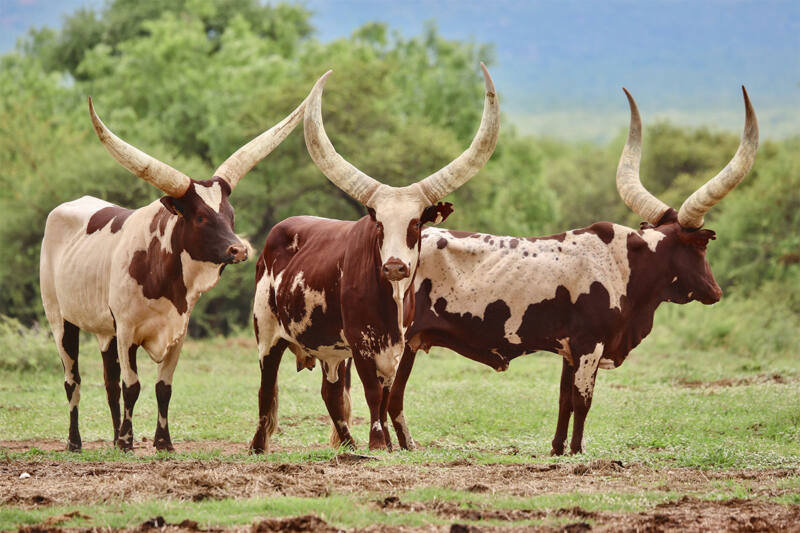
The farm follows an extensive production system but supplements strategically when needed to maintain condition year-round. Ankole cattle originated in East and Central Africa, where they evolved under harsh environmental conditions and fluctuating grazing quality.
Their ability to tolerate heat and maintain productivity under extensive systems has made them increasingly attractive to breeders across southern Africa.
“Their hardiness and resilience towards tough environments and sicknesses is a trait every farmer seeks and wishes to have,” the owners explain. “They are low maintenance and just an absolute joy to have and farm.”
Fertility remains a priority
At Goats Window, fertility and functionality remain central to selection decisions. “Our aim is to raise Ankole that can adapt and thrive on any farm,” the owners say.
“With our environment being a challenge, we feel confident that animals raised on Goats Window will prosper anywhere else. We select for fertile animals to get the most offspring out of each female as possible. Ankole makes that easy as they are a very fertile breed.”
According to the owners, the breed performs exceptionally well under extensive systems, maintaining condition and reproductive performance even during difficult years.
“We manage our cattle on a regular basis, so it is very important to us for their temperament to be good, as well as their good mothering ability because of the fact that we do run an extensive operation.”
Livestock behaviour specialists increasingly recognise temperament as an economically important trait, particularly in extensive beef systems where calmer animals manage stress better and are easier and safer to manage.
Blending old and new genetics
Although still relatively new to the Ankole industry, Goats Window is building its genetic foundation. “Our focus currently is on acquiring and breeding with the best ‘old genetics’ in South Africa,” the owners explain. At the same time, the operation is excited about integrating newer bloodlines.
“We are also very excited about the prospect of the best new genetics that came into South Africa and combining the best of old and new genetics.” The owners believe this combination of established and newer genetics will strengthen the breed’s future in South Africa.
Opportunities beyond stud breeding
While Goats Window focuses on full-blood animals, the owners believe commercial producers can also benefit significantly from incorporating Ankole genetics into crossbreeding programmes.
“Commercial farmers that crossbreed Ankole will reap the rewards by breeding more hardy, fertile cattle while still maintaining breed qualities they like in another breed.”
Globally, indigenous African breeds have attracted increasing attention for their resilience and adaptability under low-input systems, particularly as climate variability places pressure on conventional beef systems.
Rising costs and biosecurity pressures
Like most livestock operations in South Africa, Goats Window continues to face mounting production costs.
Global agricultural input markets experienced major volatility following the outbreak of the Russia-Ukraine conflict in 2022, particularly in feed grains, fertiliser, fuel, and logistics.
The farm maintains strict biosecurity measures despite not having experienced nearby outbreaks of foot-and-mouth disease (FMD).
“We are lucky enough not to have had to deal with foot-and-mouth disease in close proximity to us, but we still have important protocols in place to ensure that our herds are protected at all times.”
South Africa’s livestock sector continues grappling with the economic and logistical consequences of recurring FMD outbreaks, particularly around animal movement and export restrictions.
Conservation through value
“Ankole cattle is one of, if not the most beautiful cattle breeds in the world, with a presence like no other,” the owners say. The characteristics of the Ankole cattle speak for themselves, but the beauty and presence they have on one’s farm is what sets them apart from any other cattle.”
“As long as we keep breeding wonderful species like Ankole cattle and realise the value of these animals, there will always be a market, and that is important to conservation and keeping a species like the Ankole thriving in South Africa.”