

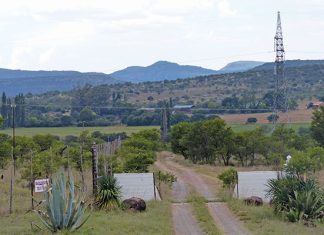
A lifetime passion for Merinos
This year, Hilson Shuman produced his 60th wool clip. He is as passionate about his Merinos as he was in 1952 when the death of his father, Ken, put him in charge of the farm Grey Craig near Queenstown in the Eastern Cape. Mike Burgess reports.
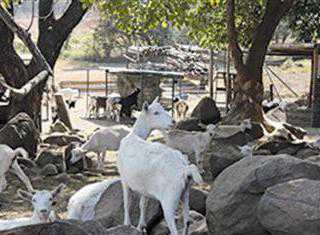
Putting goat milk cheese on the map, one award at a time
A health setback for Alastair Catto, and Marianne Joos’s longing for goat milk cheese produced in Switzerland, brought this duo together in a partnership that would see them raking up cheese awards for their Goat Peter dairy. Lindi van Rooyen spoke to them about producing goat milk cheese for the most discerning palate.
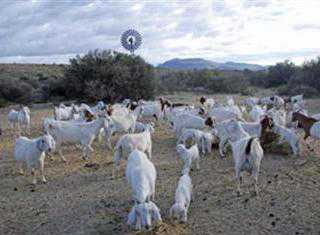
Turning things around with Savannah goats
As many extensive farmers in the Karoo know, raising lambs successfully can be an enormous challenge. Farmer Flippie Loock from the Middelburg district knew he had to find an alternative, so eight years ago he started farming with Savannah goats. Heather Dugmore visited him.
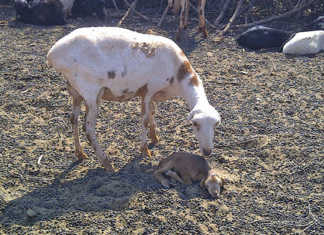
Supporting a family, week by lonely week
Malekaleke Maila farms with Pedi sheep on communal land in Limpopo. Unable to run his flock near his village, he is forced to spend each week away from home. Yet, through careful management, he earns a reasonable living and is paying for his children’s studies. Peter Mashala spoke to him.
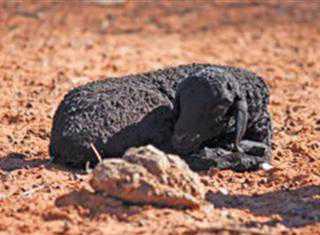
The rise of Swakara farming
The South African Karakul industry was all but decimated in the 1980s and 1990s. Jaco Visser visited Karakul stud breeder Johan Moller in the Kalahari to find out about the industry’s resurgence and the high demand for Swakara pelts.
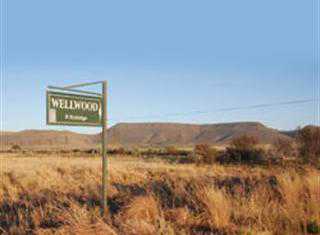
The legacy of the Wellwood Merino stud
Near Graaff-Reinet, on the farm Wellwood, one of the oldest and most respected Merino studs in the country, five generations of Rubidge sons have consistently bred outstanding Merino sheep. Heather Dugmore talks to Robert Rubidge.
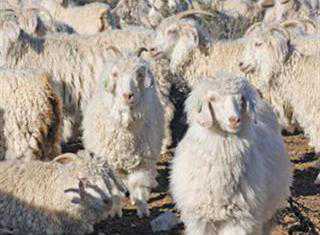
Making it in the mohair business
an Lottering and Andries Mopiley’s Angora goat farming enterprise in Prince Albert shows that an agricultural empowerment project can succeed driven by motivated beneficiaries and mentored by the industry’s experts. Denene Erasmus reports.
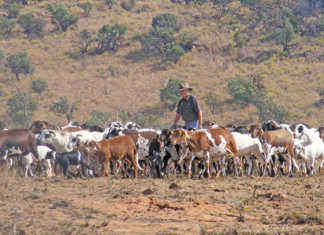
Damara sheep: Adaptable and profitable
The Damara breed originated in Asia and spread to Southern Africa 2 000 years ago. Down the centuries, the extreme environment continually selected the hardiest, most adaptable specimens. Stud breeder Stan Burger spoke to Annelie Coleman about his passion for this remarkable breed.
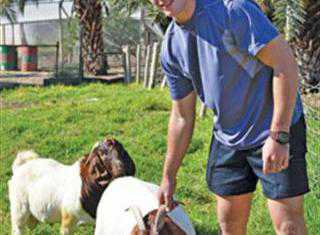
Matriculant farms successfully with Boer goats
An early passion for farming can lead to a successful, profitable business for a teenager.
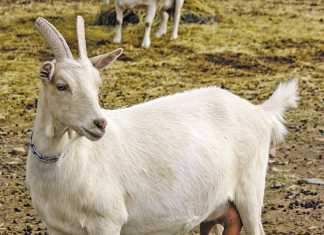
Diversifying production with goat’s milk cheese
Brothers Jan and Dries Wiese recently added goat's milk cheese to their sheep farming operation.
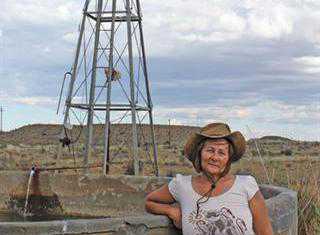
Top female farmer’s Dorper success in the Karoo
Allie Gordon from Leeu-Gamka in the Karoo, named the Top Entrepreneur Smallholder in the Western Cape Female Entrepreneur 2011 awards, started farming with 50 Dorpers in 2005. By 2010, her flock had grown to 370 ewes. Last year she sold 200 of them in preparartion for her next plan: starting a white Dorper stud. Denene Erasmus reports.

For the love of the landsheep
Trientjie and Gerhard Knoetze's Katryn Merino Landsheep Stud has been named the 2011 SA Studbook Sheep Stud of the Year after only being founded in 2005.
Merino farming in their blood
Merino SA president Julian Southey talks to Heather Dugmore about the need to be adaptable and to change farming practices to meet the current economic challenges and benefit from the knowledge available today.
Mastering the art of extensive Angora farming
Against all odds, Barries Snijman has tamed the tough Karoo to develop a flock of veld-adapted Angoras that produce quality mohair. Roelof Bezuidenhout reports.
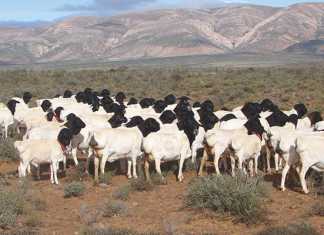
Persian sheep: Putting fat back onto Dorpers
Breeders are quietly optimistic that they can develop a modern animal for the profitable sheep-fat market, while Persians are increasingly being used to breed fat and fertility back into Dorpers, writes Roelof Bezuidenhout.
Letelle – The perfect-balance sheep
Locally bred Letelle sheep are known to be economically balanced, hardy animals that are well adapted to South Africa's sometimes harsh environment.
Sprouts for sheep
A livestock farmer, plagued by stock theft, turned to feeding sprouting grain in a feedlot to protect his sheep. And his trial has yielded some impressive results. Robyn Joubert reports.
Boosting Merino potential with lucerne
Ben Lategan is the national runner-up of the National Wool Growers Association/FNB best economically classed clip in South Africa for 2009/10. His Merino enterprise on 6 000ha in the Burgersdorp district of the Eastern Cape includes 180ha of irrigated lucerne, allowing him to get the most from his sheep. Mike Burgess reports.
Dohnes add real value to irrigation farm
Free State father-and-son farming team, Leon Trollip and Leon Trollip Jr, found that their Dohnes prosper on lucerne, helping to stabilise the income of their irrigated farming enterprise. Breed manager Henri Londt of the Dohne Merino Breed Society SA reports.
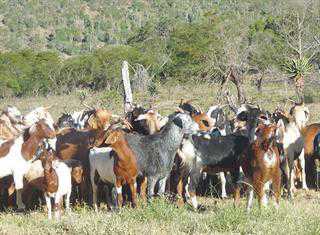
Indigenous Mbuzis: veld-efficient survivors
In 2009 Lionel Whittal became the first registered Mbuzi goat breeder in South Africa. Mike Burgess recently visited him on his 400ha farm Sandilli, in the Bolo area of the Eastern Cape to see what impact these small, well-proportioned, disease-resistant indigenous goats are having on his farming enterprise.
- ADVERTISEMENT -
- ADVERTISEMENT -
MUST READS


- ADVERTISEMENT -



