


Giving the environment a legal right to thrive
Global warming and climate change are expected to lead to the extinction of various forms of wildlife, as well as severe water shortages and famine, threatening the lives of millions of people. The Rights of Nature movement seeks to change this by ensuring that the environment has access to legal restitution in order to ensure that it not only survives but thrives.
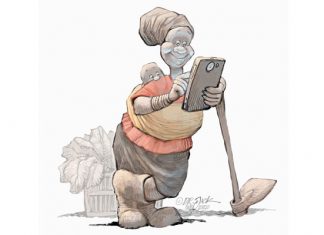
Benefits and risks of a digitised farm sector
Digital technology can make food markets more efficient and inclusive. However, according to a recent report, the digital divide places farmers in some of the world’s poorest regions at risk of being left behind.
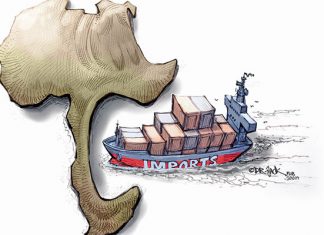
Feeding Africa’s fast-growing cities
Africa’s rapidly growing urban food markets offer significant opportunities for the continent’s farmers and agribusinesses. Yet, according to the Alliance for a Green Revolution in Africa’s ‘Africa Agriculture Status Report 2020’, food can often be imported at lower cost from international suppliers. African farmers will have to become globally competitive if they hope to successfully supply growing domestic markets.
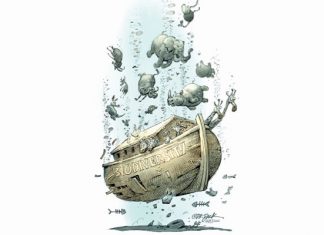
How agriculture can limit Earth’s shocking biodiversity loss – WWF report
Nature is essential for human existence, providing and sustaining the air, freshwater and soils on which we all depend. It also regulates the climate, and provides pollination and pest control. According to the World Wide Fund for Nature’s (WWF) ‘Living Planet Report 2020’, while more food and energy than ever before are supplied, overexploitation of plants and animals is increasingly eroding nature’s ability to provide these in the future.
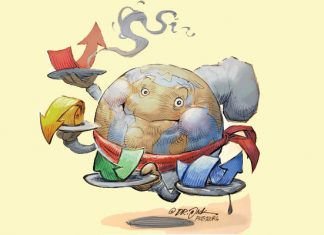
Middle class wants meat, but the rich want alternatives
The 10-year agricultural outlook by the Organisation for Economic Co-operation and Development and the Food and Agriculture Organization of the United Nations predicts that income growth in middle-income countries will see consumers transform their diets from staples to higher-value products, such as fats and animal-based protein. Meanwhile, environmental and health concerns in high-income countries are expected to support a transition from animal-based protein towards alternative sources.
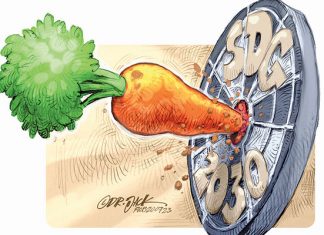
Healthy food is becoming increasingly unaffordable
The latest edition of the ‘State of food security and nutrition in the world’ has found that the number of people affected by hunger globally has been slowly on the rise since 2014. The report, published by the Food and Agriculture Organization of the United Nations, estimates that almost 690 million people went hungry in 2019, an increase of almost 10% over the past five years. The high costs and low affordability of healthy and nutritious diets also continue to contribute to the malnutrition of billions of people.
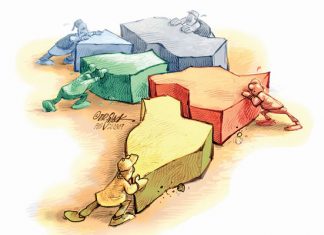
Why Africa’s food supply needs a regional approach
By disrupting international supply chains, the COVID-19 pandemic has triggered much debate about the need for deglobalisation. This presents an ideal opportunity for Africa to explore the regionalisation of agribusiness on the continent, writes Louis van Ravesteyn, head of Agri Business Pan Africa within the Personal and Business Banking division at Standard Bank Group.
Megatrends in the global nut industry
Demand for nuts is set to continue growing strongly worldwide, but this does not mean the industry can grow complacent about improving production efficiencies. This is the opinion of Axel Breuer, CEO of AgroPress, which publishes The Clipper, an international magazine dealing with nut and dried fruit production and processing.

Is the world ready for gene editing of humans?
While gene editing has the potential to reduce human suffering, irresponsible use could be devastating, according to Dr Jamie Metzl, futurist and author.
Time for an honest conversation about SA’s future
Pierre Cloete, CEO International Wealth & Prosperity, writes that the future of South Africa is gloomy and that investors and workers need to protect themselves by diversifying their portfolios with offshore investments.
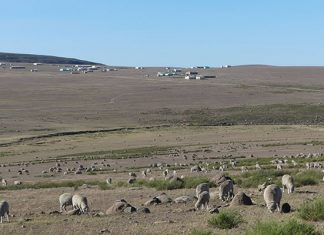
SA must take a ‘bold step’ towards fiscal sustainability
The re-evaluation of government spending, although much needed, will not be enough to address South Africa’s immense economic challenges. There also needs to be stronger political will and leadership to address poor implementation, writes Dr John Purchase, CEO of the Agricultural Business Chamber.
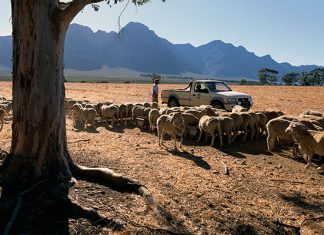
Cutting the waste from the agriculture department’s budget
Tshepo Moloi and Prof Johann Kirsten of the Bureau for Economic Research at Stellenbosch University suggest that a zero-based budgeting approach could offer an opportunity to reassess the role of the state in rural development.
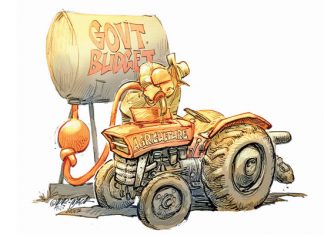
Why SA needs commercial and smallholder farmers
While growth and development initiatives have tended to focus on growing the commercial farming sector, a new school of thought argues for the coexistence of smallholder and commercial farmers to achieve household-level food security in South Africa, writes Dr Sifiso Ntombela, chief economist at the National Agricultural Marketing Council.
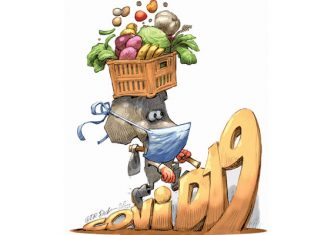
What COVID-19 has taught us about food security
The COVID-19 pandemic has emphasised the importance of agriculture in South Africa and across the continent because of the sector’s capacity to support economic growth, create and sustain jobs, and boost exports, writes Roux Wildenboer, head of agriculture at Absa Corporate and Investment Banking.
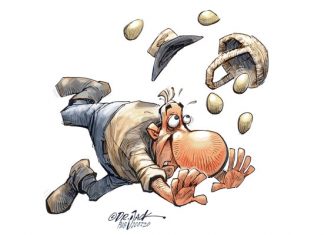
Diversification: an essential approach in a tough economy
Don’t put all your eggs in one basket; if you fall, you run the risk of not having breakfast. Farmers should spread their risk by adding a second component to an existing farming operation, or even by investing in industries unrelated to agriculture, says Dawie Maree, head of information and marketing at FNB Agriculture.
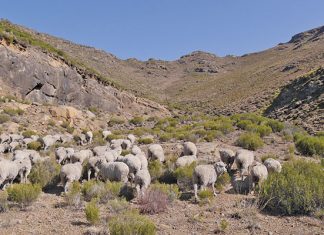
Tackling crime along the South Africa-Lesotho border
The strip of land spanning just over 900km along the Lesotho-South Africa border remains a source of economic loss and trauma for the many rural South Africans living there. Sabrina Dean spoke to Dr Jane Buys and Richard Chelin about the safety and security challenges in the area.
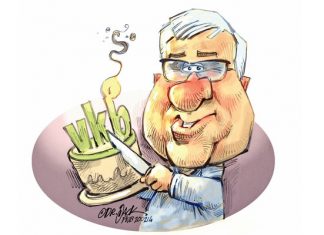
Co-op or corporate? Choose between these agri models
Agribusiness VKB, which has been doing business in South Africa for over a century, started as a co-operative, but has since been converted into a company. Managing director Koos Janse van Rensburg writes that the debate on capital formation and value creation within agricultural businesses is as old as the industry itself, and explains the relative merits of the co-operative and corporate models.
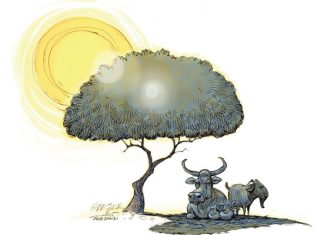
Why the world’s drylands need urgent protection
Drylands are home to two billion people, many of whom are poor and depend directly on the land’s resources for food and energy. Drylands also generate crucial environmental services and contain 35% of the world’s biodiversity hotspots. The Food and Agriculture Organization of the United Nations explains the importance, and challenges, of conserving drylands.
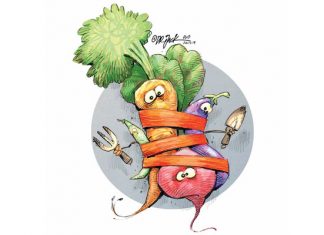
Why Africa needs fairer food laws
Food and agriculture laws hamper food security in Africa and elsewhere, say Tigist Gebrehiwot, Steve Cornelius and Lise Korsten in the journal article ‘Impact of global food and agriculture laws on Africa’sfood security’.
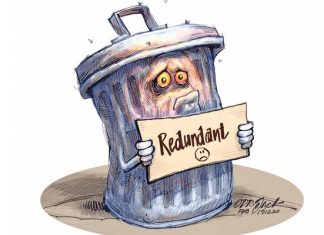
Ten ways to cut food waste – report
In a recent study, published by the World Resources Institute, researchers explored 10 scaling interventions that could help reduce food loss and waste across supply chains and geographies. According to the report, ‘Reducing Food Loss and Waste: Ten Interventions to Scale Impact’, governments, businesses, farmers, consumers, and everyone in between need to play a role in implementing these interventions.
- ADVERTISEMENT -
- ADVERTISEMENT -
MUST READS


- ADVERTISEMENT -