

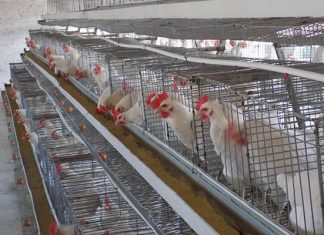
Great scope for expansion of Namibia’s poultry industry
The poultry industry in Namibia didn’t escape the impact of the COVID-19 pandemic, according to René Werner, chairperson of the Namibia Poultry Producers’ Association (PPA).
Sub-Saharan Africa’s economy set to recover in 2021 – World Bank
African countries have made remarkable investments to keep their economies afloat and protect the lives and livelihoods of their people over the past year, according to Albert G. Zeufack, World Bank chief economist for Africa.
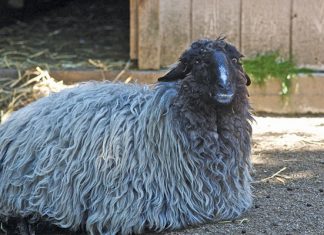
Drought, COVID-19 take heavy toll on Namibian sheep farmers
The Namibian Swakara industry has experienced major production losses for the past three consecutive years.
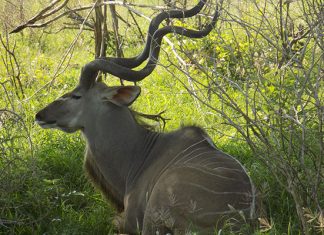
Kudu rabies epidemic in Namibia drives up trophy prices
The Namibian Livestock Producers’ Organisation (LPO) has welcomed the encouraging results of new research being conducted on the ongoing epidemic of kudu rabies in Namibia.
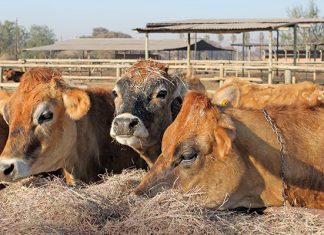
Namibian dairy industry in fight for survival
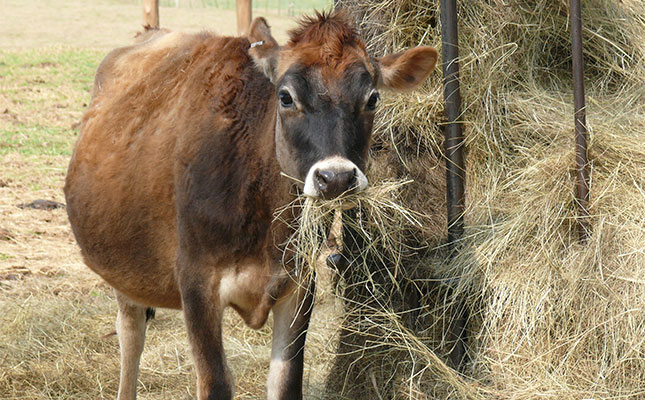
The Namibian dairy sector is battling to survive, with production decreasing and the price-cost squeeze forcing producers to exit the sector.
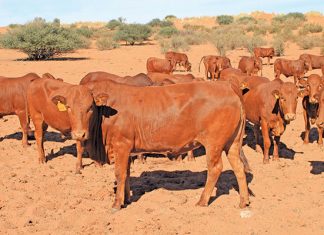
Meat board takes charge to control FMD outbreak in Namibia
The recent foot-and-mouth disease (FMD) outbreak in Namibia at the end of 2020 was largely contained and did not pose a threat to areas south of the veterinary cordon fence in the north of the country, according to Thinus Pretorius, chairperson of Nambia’s Livestock Producers’ Organisation (LPO).
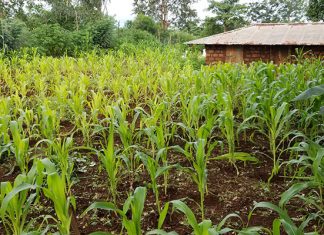
Study finds Africa’s smallholders wary of fertiliser quality
Smallholder farmers in sub-Saharan Africa are, on average, using fertilisers at well-below recommended rates in their crop production. This was according to the results of a study conducted by researchers from the University of Illinois (UoI) in the US, largely because these farmers perceived their locally available fertiliser products to be of sub-standard quality.
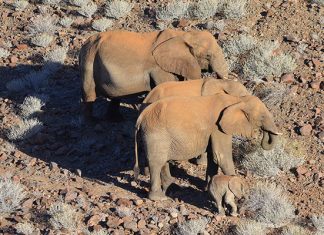
Free roaming elephants a rising problem for Namibian farmers
Conflict between humans and Namibia’s growing elephant population can be described as a “problem of success”, says Colin Nott, a Namibian regenerative agricultural consultant.
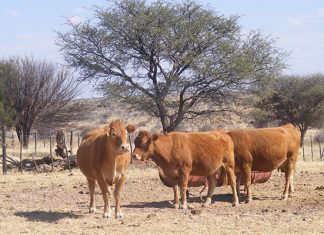
Grave concern for condition of Namibia’s FMD-protection fence
A widespread outbreak of foot-and-mouth disease (FMD) in Namibia could potentially wipe out the entire livestock production industry in that country.
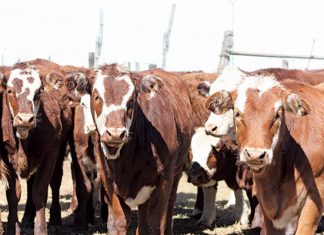
Namibian livestock industry devastated by prolonged drought
Beef cattle sales in Namibia have fallen 31% so far this year compared with the same period in 2019, despite producer price increases of 2% for slaughter cattle and 39% for weaners.
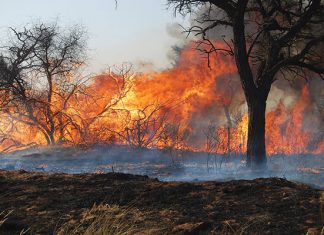
R30 million in grazing lost to wildfires in Namibia
A devastating wildfire that raged on 11 farms in the Otjiwarongo district, in the northern part of Namibia late last month, destroyed 30 000ha of grazing over a period of three days.
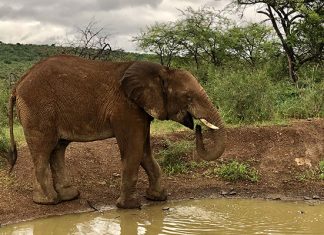
Mycotoxins in water may have caused Botswana elephant deaths
No definitive answers have yet been found for the mass die-off of elephants in Botswana since May this year. Early research results have suggested, however, that the deaths could be attributed to a naturally occurring toxin.
COVID-19 ‘perfect storm’ for African food security
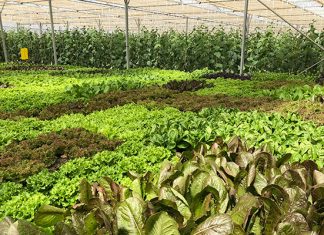
COVID-19’s arrival in Africa has exacerbated pre-existing major challenges to the continent’s food production and nutrition security.
Namibian farmers harvest country’s first blueberry crop
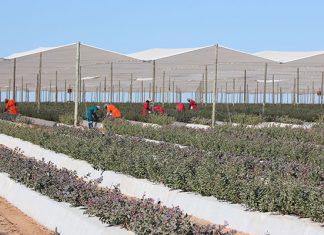
The first-ever commercial harvest of blueberries in Namibia recently commenced on the banks of the Okavango River between Mashare and Mupapama villages in Kavango East, northern Namibia.
Concern about ‘mysterious’ elephant deaths in Botswana
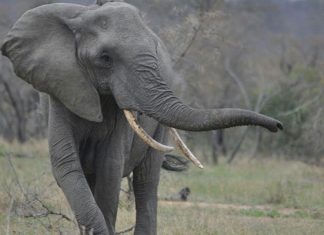
The cause of death of hundreds of elephants in the northern part of Botswana’s Okavango Delta remains a mystery, with more than 400 carcasses having been discovered since May this year.
Relief funds dry up as Namibian drought continues unabated
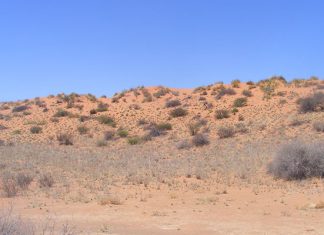
Large parts of Namibia remain in the grips of a brutal drought, with the last significant rainfall reported in the far southern region a decade ago.
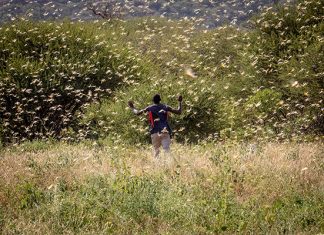
Second locust wave could dampen East Africa’s harvest hopes
Despite significant gains in the battle against desert locust infestations in 10 countries, mostly in East Africa, food security remains at risk, especially as a second wave of locusts now threaten what could otherwise be a promising crop harvest for the region.
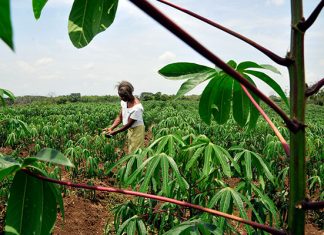
Subsidies can support food production during COVID-19 crisis
Africa is coming up with its own solutions to the challenges posed by the coronavirus disease (COVID-19) pandemic, according to a statement by the African Development Bank (AfDB).
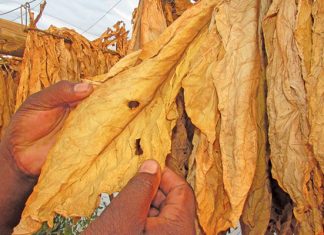
Strict social distancing rules for Zim tobacco auctions
This year, Zimbabwe will decentralise tobacco selling in an effort to contain the spread of the coronavirus disease (COVID-19).
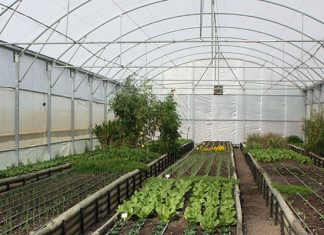
Africa agripreneur competition to award two US$50 000 prizes
Applications are now open for the second annual GoGettaz Agripreneur Prize Competition.
- ADVERTISEMENT -
- ADVERTISEMENT -
MUST READS


- ADVERTISEMENT -



