

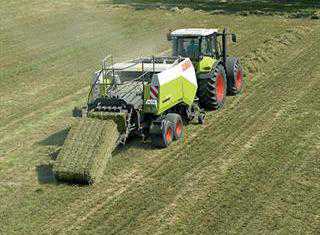
German innovation
In addition to winning a gold medal at Agritechnica, Claas walked away with a record six silver medals for innovation.

New Holland at Hanover
Every two years in Hanover, Germany, Agritechnica showcases innovative ideas from machinery manufacturers large and small. Joe Spencer was there.
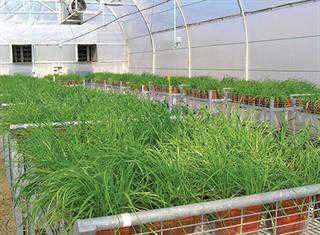
The allelopathic effect
Nature is truly remarkable. Plants employ strategies to reduce competition and keep other plants from growing too close. Crop scientist Dr Suzette Bezuidenhout says this has an application in weed control. Lloyd Phillips reports in part 1 of two parts.
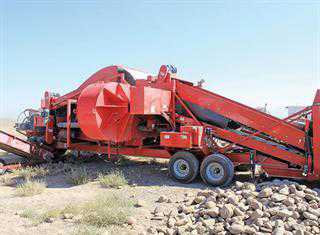
Agritechnica gold medal winners
The German Agricultural Society organises Agritechnica, the world’s largest exhibition of agricultural machinery. This year, the society awarded four gold medals for innovation. Joe Spencer takes a look at the winners.
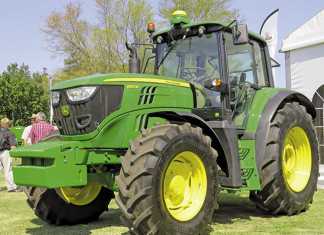
John Deere’s 6M tractor series launch
Joe Spencer attended the SA launch of John Deere’s 6M series tractors at the Royal Show Grounds, Pietermaritzburg.
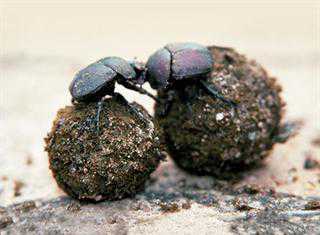
Dung beetles to be used on New Zealand farms
A wave of South African dung beetles has arrived to start work on farms in New Zealand after a sojourn in Australia.

Planter preparation – what you need to know
An extensive pre-season planter inspection and overhaul can prevent costly breakdowns, says Joe Spencer.
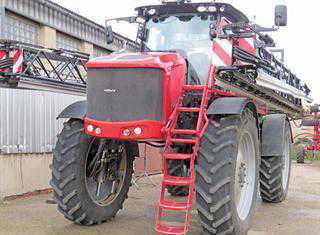
Horsch’s Knežmost farm
As part of a tour of Horsch facilities in Europe, Joe Spencer visited the company’s farm in the Czech Republic.
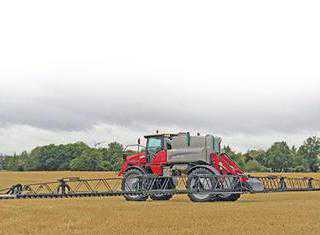
New equipment from Horsch
At a recent press conference in Germany, Horsch unveiled new machinery that will be displayed at the Agritechnica Show in Hanover in November.
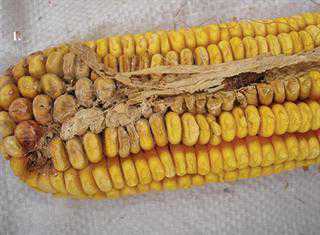
The benefits of Bt maize
Insect-resistant Bt maize is an important tool for the management of maize stem borers, according to Edson Ncube of the ARC-Grain Crops Institute (ARC-GCI) in Potchefstroom.
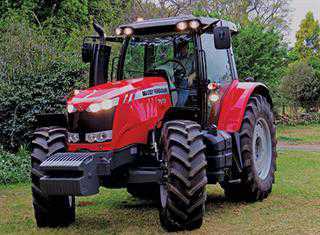

The fungal-bacterial ratio for soil health
Soil is a complex, integrated ecosystem. Microbiotic populations, essential to soil functioning, are indicators of soil health, says Dr Sarina Claassens.

How to stop plums from going brown
A plum can look good on the outside but be brown and inedible on the inside. Dr Mariana Jooste explains that the problem lies in the method of cold storage and can be solved.
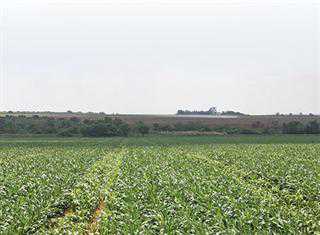
Best practice for nitrogen applications
Farmers aiming for a better crop yield often apply nitrogen at higher than recommended rates. They may want to reconsider, once the hard costs and environmental risks have been assessed. Lindi van Rooyen reports.
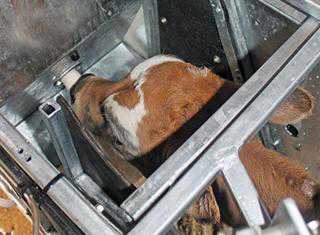
The magic of mechanising: calf feeders
A new calf feeding device designed by dairy farmer Gawie Willemse has the potential to streamline calf-rearing and improve conditions for farmers and their calves. Denene Erasmus reports.
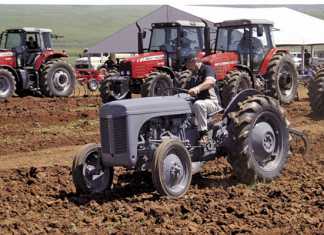
New tractor parts for your old tractors
Sparex recently launched an extensive range of Massey Ferguson parts for vintage and veteran tractors.
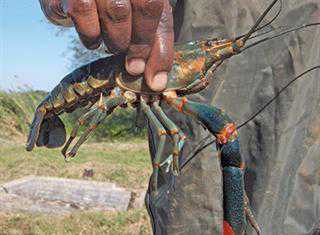
Feral freshwater crayfish: ideal food
The Redclaw is found in abundance in SA’s rivers and provides a lucrative income, while taking pressure off our ocean’s stock. Lindi van Rooyen reports.
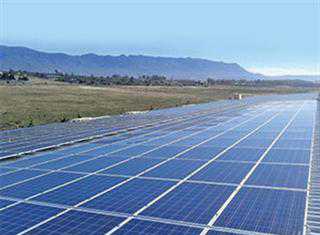
Solar energy use on the rise in SA
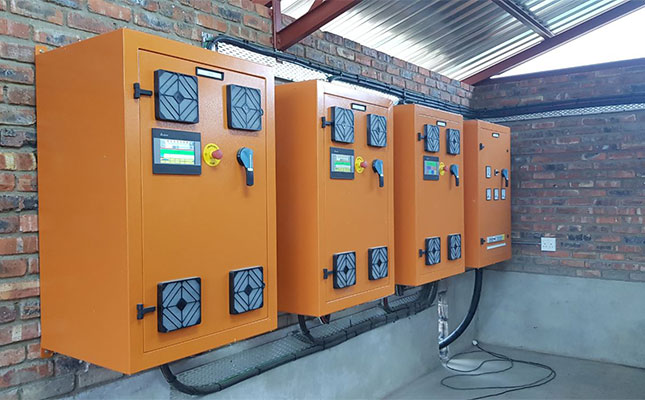
A number of agricultural businesses in the Western Cape are starting to reap the cost-saving benefits of investing in solar energy. Denene Erasmus reports.
A protein plus for peas
Peas are being touted as an important food source for livestock and human consumption, due to their high protein and essential amino acid content.
Dating tusks to curb ivory trade
Scientists may have discovered a way to foil illegal trade in ivory by using radiocarbon levels to age tusks.
- ADVERTISEMENT -
- ADVERTISEMENT -
MUST READS
- ADVERTISEMENT -



