
Latest articles
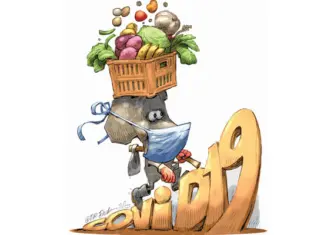
What COVID-19 has taught us about food security
The COVID-19 pandemic has emphasised the importance of agriculture in South Africa and across the continent because of the sector’s capacity to support economic growth, create and sustain jobs, and boost exports, writes Roux Wildenboer, head of agriculture at Absa Corporate and Investment Banking.

South Africa is getting more violent
Over the past 10 years, more than 6,1 million serious crimes were committed against South Africans. At least 165 837 people were murdered, rape was committed 437 417 times, and over 200 000 violent home robberies occurred.
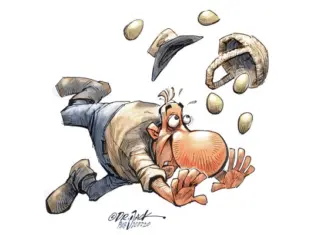
Diversification: an essential approach in a tough economy
Don’t put all your eggs in one basket; if you fall, you run the risk of not having breakfast. Farmers should spread their risk by adding a second component to an existing farming operation, or even by investing in industries unrelated to agriculture, says Dawie Maree, head of information and marketing at FNB Agriculture.
Africa is falling further behind
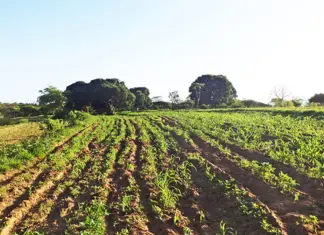
Something needs to change, otherwise Africa and the people who live on this continent will experience another decade of poverty, hunger and hardship.

It doesn’t rain grass!
As I write this, it's been about four months since South Africa went into a national lockdown in an attempt to contain the spread of COVID-19.

Tackling crime along the South Africa-Lesotho border
The strip of land spanning just over 900km along the Lesotho-South Africa border remains a source of economic loss and trauma for the many rural South Africans living there. Sabrina Dean spoke to Dr Jane Buys and Richard Chelin about the safety and security challenges in the area.

Sorting fact from fiction
One of the problems that always emerge when we start debating the role and future of smallholder farming is that there is no clear definition put in place to describe what type of farmer we refer to when we talk about small-scale farmers.

Co-op or corporate? Choose between these agri models
Agribusiness VKB, which has been doing business in South Africa for over a century, started as a co-operative, but has since been converted into a company. Managing director Koos Janse van Rensburg writes that the debate on capital formation and value creation within agricultural businesses is as old as the industry itself, and explains the relative merits of the co-operative and corporate models.

When the hungry steal food
About seven or eight years ago, I interviewed a farmer who produced vegetables on a farm in Philippi in Cape Town. The area was and still is one of the main suppliers of fresh vegetables to the Cape Town area.

A zero-based budget for the agri department
The grim realities that were presented by Finance Minister Tito Mboweni when he delivered the Supplementary Budget to Parliament recently did not come as a surprise.

Why the world’s drylands need urgent protection
Drylands are home to two billion people, many of whom are poor and depend directly on the land’s resources for food and energy. Drylands also generate crucial environmental services and contain 35% of the world’s biodiversity hotspots. The Food and Agriculture Organization of the United Nations explains the importance, and challenges, of conserving drylands.

Why Africa needs fairer food laws
Food and agriculture laws hamper food security in Africa and elsewhere, say Tigist Gebrehiwot, Steve Cornelius and Lise Korsten in the journal article ‘Impact of global food and agriculture laws on Africa’sfood security’.

Ten ways to cut food waste – report
In a recent study, published by the World Resources Institute, researchers explored 10 scaling interventions that could help reduce food loss and waste across supply chains and geographies. According to the report, ‘Reducing Food Loss and Waste: Ten Interventions to Scale Impact’, governments, businesses, farmers, consumers, and everyone in between need to play a role in implementing these interventions.

Dear readers,
I love swimming in the ocean and even as a child I would swim out far behind the breaking waves to where the water was calm. Sometimes, though, I misjudge my own ability and the power of the waves, and I have had a few narrow escapes.

COVID-19 lessons for agriculture
As the South African economy limps its way through the various lockdown levels, all of which are aimed at slowing the coronavirus disease (COVID-19) infection rate, we’re getting to learn more about the fragile links that enable the various sectors to trade and operate.
What livestock farmers should know about climate change
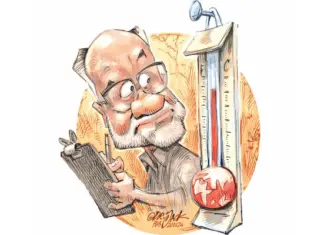
Dr Louis du Pisani, national manager for production advice and development at the National Wool Growers’ Association, explores how livestock farmers can mitigate the negative effects of climate change on their operations.

‘Elite capture’: how land reform favours the rich and powerful
Land reform should aim to address poverty and create livelihood opportunities for those at the lower end of the historically disadvantaged spectrum. This isn’t happening, according to the Institute for Poverty, Land and Agrarian Studies. Instead, land allocation and access to resources are skewed in favour of well-off beneficiaries.
Coronavirus: what employers need to know
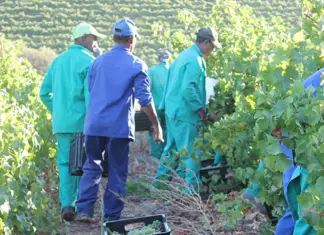
The novel coronavirus (COVID-19) outbreak has already had serious implications for many South Africans, as well as a negative economic impact on the country at large.

Implications of coronavirus for regional food supply chains
The coronavirus disease (COVID-19) pandemic is dominating the news, with fears emerging about the widespread effect on the economy in general, and the food system in particular.

Food shortages unlikely during coronavirus outbreak
Fears about potential disruptions to global supply chains due to the novel coronavirus (COVID-19) outbreak have raised questions about whether South Africa could experience food shortages in the short to medium terms.