

Latest articles
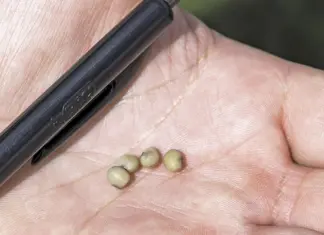
Introducing guar – a resilient, versatile crop
Long grown in India and Pakistan, and more recently in the US, Australia and other parts of Africa, guar is now being introduced to South African crop farmers as a hardy and high-value legume crop for marginal soils.

Selling produce: the best options
I always remind the market agents whom I train that when it comes to marketing options, they are one of eight available to a farmer.
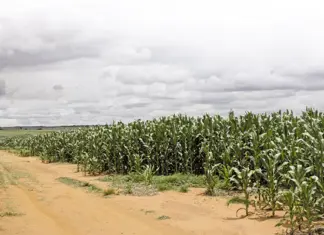
Drought and disease development in maize
Adverse environmental conditions and disease are placing increasing pressure on maize crops in South Africa, says Dr Belinda Janse van Rensburg, researcher at the ARC-Grain Crops Institute.

Green beans: the basics
Green and dry beans are the same species, Phaseolus vulgaris. The scarlet runner (P.coccineus) which is still popular in many countries as a home garden variety, is a different species and will not cross with P. vulgaris by conventional methods.
Career path in agriculture
Agriculture has never been considered a ‘sexy’ career choice for young people. So full marks must go to the Produce Marketing Association (PMA) for its initiative, launched a few years ago, to attract young people into the broader agricultural community.
The Bathsheba Syndrome
Recently, I read an interesting article entitled ‘The Bathsheba Syndrome: the ethical failure of successful leaders,’ by Dean Ludwig and Clinton Longenecker.

How to grow broccoli
Many of the techniques described for cabbage and cauliflower apply to broccoli.
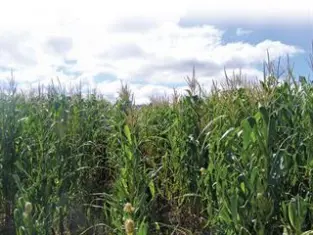
‘It’s a privilege to earn my living from the soil’ – David Maleleka
Grain farmer David Maleleka ascribes his success to hard work, perseverance and mentorship. He was chosen as a beneficiary of the Omnia New Business Development project because of his proven record as a grain producer and his commitment as a farmer.
Can the fresh produce markets survive?
In the 1940s, there were about 135 fresh produce markets scattered around South Africa. Almost every dorp had a market.
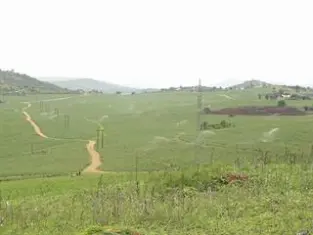
Sugarcane industry – beating the dry season
The sugarcane industry contributes 11% to agri-employment, and creates around 79 000 direct jobs. The crop is resilient, with the ability to bounce back despite tough growing conditions.
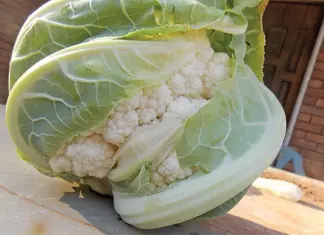
Advice on how to grow cauliflower
Growing cauliflower is very similar to growing cabbage. Nevertheless, there are some important points that need to be considered to ensure successful production of cauliflower.

SA’s experts on implementing conservation agriculture
Grain SA recently hosted a conservation agriculture promotion day for smallholder farmers growing crops on communal lands in parts of KwaZulu-Natal and the Eastern Cape. A number of knowledgeable speakers shared their tips with the farmers and spoke about why they too should join the CA implementation movement – and how.

Co-operative marketing
Farmers around the world use some form of co-operative marketing to sell their fresh fruit and vegetables.

‘Know your vineyards and workers well’- top grape farmer
Award-winning table grape farmer, Pieter Joubert from De Doorns, says that attention to production detail and a professional and dedicated workforce are equally important in successful grape farming.

A new, very dangerous cabbage disease
As if a cabbage farmer does not have enough to contend with, a destructive new disease is currently doing the rounds.
Needed: good managers
A senior manager at a large market said to me the other day that market managers (MMs) “need to get out of their fancy offices and on to the market floor – that’s the only way they can get a real feel for what a market is all about”.

Promising new cultivars for Western Cape
Willem Kilian and Ernest Dube of the Agricultural Research Council (ARC) Small Grain Institute in Bethlehem, and Henzel Saul of the institute’s branch in Stellenbosch, report on trials conducted on two new wheat cultivars for the winter rainfall region.

Physiological disorders in cabbage
A pathological condition in plants is caused by disease, whereas a physiological condition is caused by non-living (abiotic) factors such as physical injury, frost, water stress or something similar.
Too much regulation?
Some pundits maintain that our fresh produce markets are over-regulated. I confess that I cannot make up my mind on the issue.