


Error 404: the barriers to digital inclusivity
Progress towards digital inclusivity is threatened by growing digital dependency, automation, information suppression, and gaps in regulation and capabilities, notes the World Economic Forum’s latest Global Risks Report.
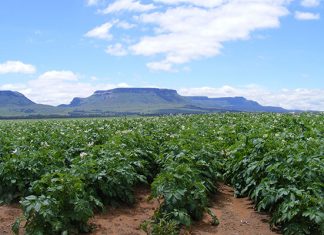
Agriculture’s language problem
One of the enviable things about South Africans is that just about every one of us speaks at least two languages, while many speak and understand three, four or even more.
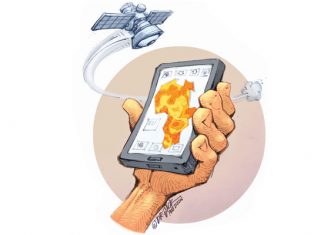
How satellite data can boost agriculture
The use of Earth observation has brought about dramatic improvements in agricultural practices and access to water. A new report published by the World Economic Forum details how Earth observations are fundamental to harnessing the innovations of the Fourth Industrial Revolution to support agricultural productivity growth across Africa.
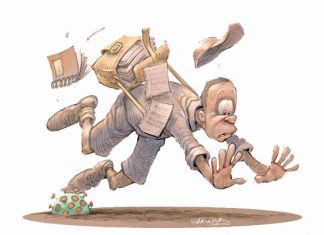
COVID-19 and disillusionment: the impending crisis of unskilled youths
The present generation of youth has endured a number of profoundly disruptive global events during their lifetime, the latest of which is the COVID-19 pandemic. Leaders need to initiate efforts to assist young people to acquire the tools, skills and rights to find work and cope in the post-pandemic world, or else risk having an angry and disillusioned ‘lost generation’, warns the latest Global Risks Report.
What SA’s red meat industry must fix before scaling up exports
Export markets offer potentially lucrative trade opportunities for South Africa’s red meat industry. However, to profit fully from such opportunities, stakeholders in the industry need to take careful note of the demands of consumers in importing countries. Dr Frikkie Maré, an agricultural economist with in-depth knowledge of the red meat value chain, explains what some of these are.
What do we mean when we talk about land?
Property rights or, more specifically, the power of the state to deprive a person of these rights, have been high on Parliament’s agenda these past few weeks as committees heard oral submissions from the public on the Expropriation Bill and also on the Draft Constitution Eighteenth Amendment Bill, which concerns amendments to Section 25 of the Constitution in term of expropriation.
What hampers farm mechanisation in Africa?
Urbanisation, increased food demand, rising rural wages, and seasonal labour bottlenecks have led to the interest in promoting agricultural mechanisation in sub-Saharan Africa. A new report by the International Food Policy Research Institute looks at the lessons that Africa can learn from Asia in this regard.
We know how to fix land reform, so why don’t we?
You might have read, in media reports that have been circulating on social media these past few weeks, about the case of Western Cape farmer Ivan Cloete, a land reform beneficiary who was facing eviction from a farm he was previously granted access to by the state.
The role of forests in global food security
The expansion of agriculture increases the risk of deforestation, which will not only have a negative impact on climate change mitigation, but also diminish food security for millions of desperately poor people. This report looks at the link between food security and forest ecosystems.
Understanding the role of the Maize Trust
The Maize Trust and various other boards are essential for research and development in the agriculture sector.
‘Agriculture must brag about its quality produce’
Mpumelelo Mkhabela, a political analyst, says that it is crucial for the South African agriculture sector to highlight the quality of its produce on international markets.
A return to normality beckons
Dr Roelof Botha, economic advisor to the Optimum Investment Group, explains the factors that leads him to believe that 2021 may be a return to greater normality.
Agriculture in the year ahead
The past year has been tumultuous with poor economic growth and rising unemployment. However, the agriculture sector still offers huge opportunities for risk takers, says Theo Venter, an independent political and policy analyst.
Agricultural Development Agency: The story continues
The Agricultural Development Agency was launched in February 2020, but is already going full steam ahead to support the black farming sector and improve national food security.
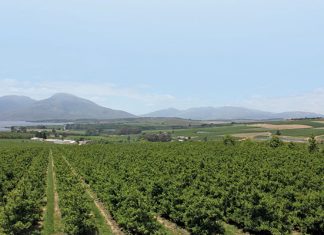
Expropriation without compensation: A looming catastrophe
A study commissioned by Agri SA shows that should land expropriation without compensation be pursued, South Africa’s economy will take a drastic turn for the worse.

Giving the environment a legal right to thrive
Global warming and climate change are expected to lead to the extinction of various forms of wildlife, as well as severe water shortages and famine, threatening the lives of millions of people. The Rights of Nature movement seeks to change this by ensuring that the environment has access to legal restitution in order to ensure that it not only survives but thrives.
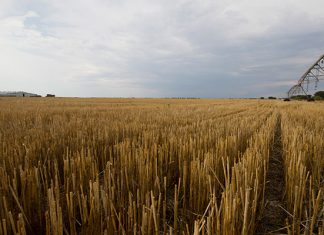
The drivers of change in agriculture
Food and farming are increasingly gaining prominence on national and international economic, political and research agendas.

Benefits and risks of a digitised farm sector
Digital technology can make food markets more efficient and inclusive. However, according to a recent report, the digital divide places farmers in some of the world’s poorest regions at risk of being left behind.
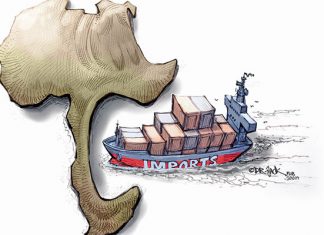
Feeding Africa’s fast-growing cities
Africa’s rapidly growing urban food markets offer significant opportunities for the continent’s farmers and agribusinesses. Yet, according to the Alliance for a Green Revolution in Africa’s ‘Africa Agriculture Status Report 2020’, food can often be imported at lower cost from international suppliers. African farmers will have to become globally competitive if they hope to successfully supply growing domestic markets.
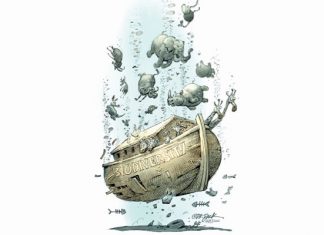
How agriculture can limit Earth’s shocking biodiversity loss – WWF report
Nature is essential for human existence, providing and sustaining the air, freshwater and soils on which we all depend. It also regulates the climate, and provides pollination and pest control. According to the World Wide Fund for Nature’s (WWF) ‘Living Planet Report 2020’, while more food and energy than ever before are supplied, overexploitation of plants and animals is increasingly eroding nature’s ability to provide these in the future.
- ADVERTISEMENT -
- ADVERTISEMENT -
MUST READS

- ADVERTISEMENT -



