
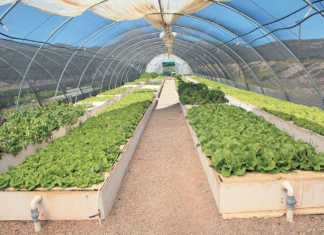
Aquaponics: ‘economy of scale is the key’
Aquaponics, which combines aquaculture and hydroponics, is increasingly becoming popular in many countries due to its ability to boost farm output and reduce waste. Glenneis Kriel spoke to Ruann Coleman of Eden Aquaponics about his experiences with this production system.
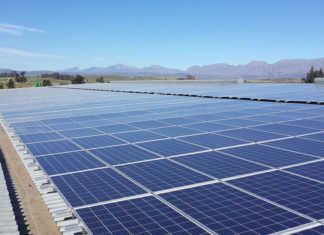
Solar panels lower cooling costs
In 2013, Ceres Fruit Growers (CFG) installed solar panels on the roof of its controlled atmosphere rooms to reduce its load on the municipal grid. Rahim Hassan, manager of engineering services at CFG, speaks about the importance of this decision.
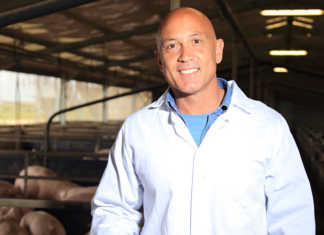
Turning pig waste into energy
Zandam cheese and piggery, in partnership with the green energy company, Ibert, recently established a biogas plant to convert waste from the piggery into electricity and heat. Piggery owner Mauro Delle Donne explains.
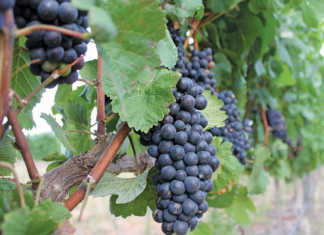
Why SA wine exports must move from bulk to brands
South Africa’s wine industry must shift its emphasis from volume to value and from a production orientation to a market orientation. This is according to Anton Smuts, the newly elected chairperson of Vinpro. He shared his thoughts on some of the pressing issues that currently prevail in the industry with Jeandré du Preez.
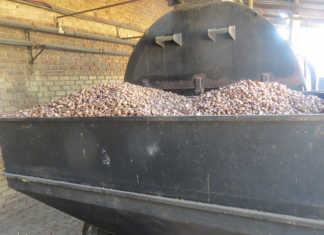
New market opportunities for South Africa’s macadamias
Alex Whyte, marketing manager of Green and Gold Nuts is convinced that the industry has potential for significant growth.
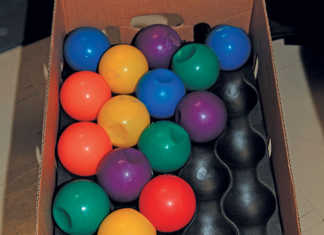
The science of fruit packaging: SA leads the way
Stellenbosch University is acknowledged as a world leader in research on optimising packaging design for the fruit industry. Prof Linus Opara spoke to Glenneis Kriel about the university’s achievements in this regard, as well as the latest trends in the field.
Weak leadership, inadequate planning hamper land reform
The structural weakness of land reform in South Africa, coupled with a lack of clear goals, have left the process on shaky ground, according Danie du Plessis, TAU SA regional representative. Annelie Coleman asked him what needed to be done to get the process back on track.
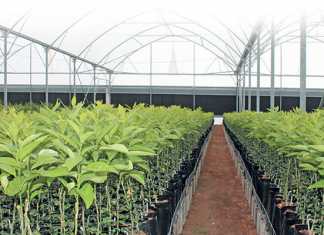
Innovation drives citrus nursery’s 450% production increase
In 2014, the Cederberg Tree Nursery produced 100 000 citrus trees a year. Two years later, after its acquisition by ANB Investments, the nursery produces more than 550 000 citrus trees annually.
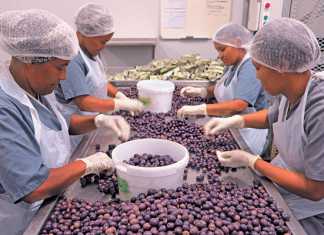
Darling’s 150 000kg/year olive processing success story
When Roleen Basson started Darling Olives about 10 years ago, she didn’t even eat olives. However, today her business produces about 30 product lines, and the Darling Olives footprint will soon extend to supermarkets beyond the Western Cape.
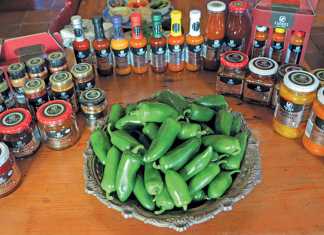
Export success for Western Cape chilli exporters
Fynbos Fine Foods, owned by chilli lovers Rozelle and Julian Abramson, has grown from a small business to a prosperous product development and food production business. The operation’s chilli products are exported to various countries around the world.
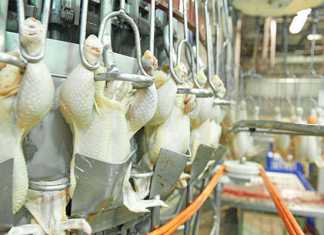
US poultry imports – the facts
Much controversy has surrounded South Africa’s poultry imports from the US. Freelance journalist, Peter Fabricius, examines this thorny issue and attempts to clarify some misconceptions.
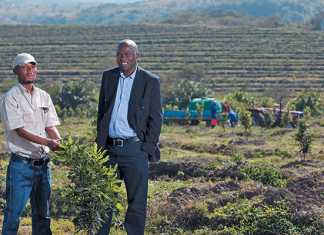
Macadamia partnership turns communities into business owners
Mkululi Pakade, director of East Cape Macadamia, has devised a business model that positions the Eastern Cape’s local communities firmly within the macadamia industry.
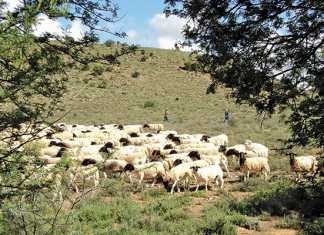
Why choose mutton and lamb?
Mutton and lamb produced in South Africa are highly nutritious, and misconceptions that these meat classes are fatty and detrimental to consumers’ health must be allayed, says Marina Bester of Lamb and Mutton South Africa. She spoke to Annelie Coleman about the organisation’s campaign to promote mutton and lamb consumption.
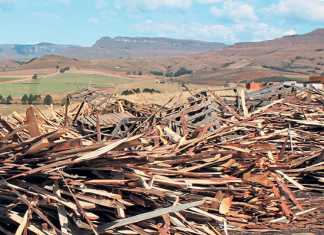
How biorefineries can add value to forestry waste
With South African forestry currently recovering an average of only 47% of its potential timber yield for economic benefit, the industry is ripe for the widespread adoption of value-adding biorefinery technology. Dr Bruce Sithole, director of the Forest and Forest Products Research Centre in KwaZulu-Natal, explains how.
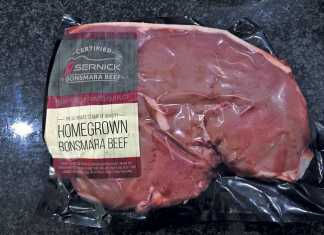
A guide to trademarks, patents and plant breeders’ rights
The use of trademarks, patents and plant breeders’ rights can make an agricultural business more competitive locally and internationally. Gerhard Uys spoke to David Cochrane and Madelein Kleyn about the application processes involved and the implementation.
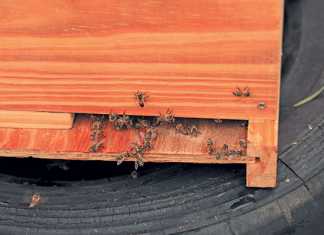
Beekeepers success with only 100 hives
Phirdy Motala, owner of Farmyard Honey Factory, says that innovation and creativity are crucial for the success of small-scale beekeepers. Her business approach has resulted in a flourishing operation, and she was recently nominated as the Western Cape finalist in the 2016 Agricultural Writers SA’s New Entrant to Commercial Agriculture competition.

Mooted sugar tax is bitter news for industry
The South African government has proposed a tax on all sugar-sweetened beverages sold in the country. Trix Trikam, executive director of the South African Sugar Association (SASA), shared the industry’s views on the subject with Lloyd Phillips.
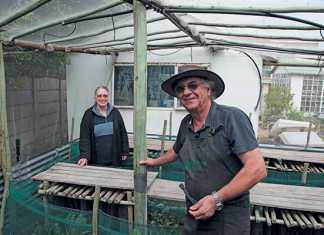
Snail farming: making good use of a small space
Stanley and Heather Micallef began by growing snails in an open-air paddock. Earlier this year, they changed to a climate-controlled set-up, which has enabled them to increase production significantly. Snail farming can be a profitable enterprise for smallholders, they told Gerhard Uys.
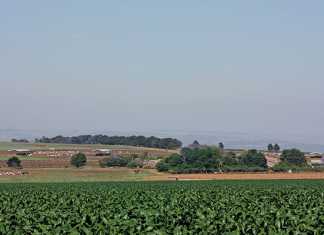
Marketing to SA’s changing black middle-class consumers
Changes in consumers’ priorities, and the growth of South Africa’s black middle class, make it crucial for agribusinesses to re-evaluate their approach to food production, sales and marketing. Prof John Simpson spoke to Wilma den Hartigh about the importance of branding in this regard.
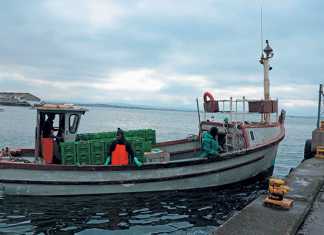
Mussel farming on the West Coast
Imbaza Mussels in Saldanha Bay is one of the country’s largest mussel farms and a successful empowerment project. The farm’s entire production is marketed in SA.
- ADVERTISEMENT -
MUST READS

- ADVERTISEMENT -
- ADVERTISEMENT -