

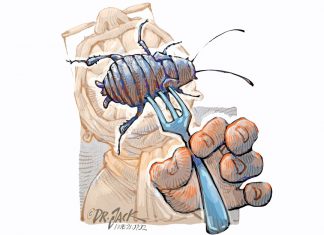
The possible dangers of eating insects
The farming and processing of edible insects for human and animal consumption appears to be gaining in popularity. However, according to the Food and Agriculture Organization of the United Nations, there are risks to eating insects that have not been farmed with the correct biosecurity measures in place, and these risks are potentially dangerous to human and animal health.
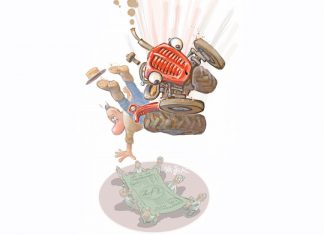
How COVID-19 changed agricultural policy
As governments implemented containment measures to slow the spread of COVID-19 in early 2020, they also introduced ways of limiting the effects of the virus and related lockdowns on agricultural supply chains. A recent report by the Organisation for Economic Co-operation and Development tracked these initiatives, including the South African government’s response.
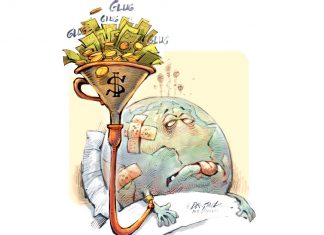
How much will it cost to save the planet?
The ongoing loss of natural spaces, including forests, has become a systemic risk for the global economy, warns the report, ‘State of Financing for Nature: Tripling investments in nature-based solutions by 2030’, by the United Nations Environment Programme.
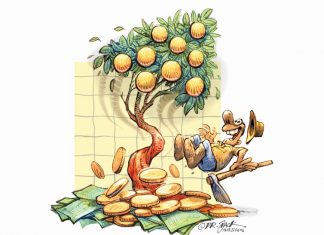
How Africa can benefit from a strong agri sector
A report by the Food and Agriculture Organization of the United Nations argues that African governments need to invest more in their agriculture sectors in order to promote growth, create jobs and reduce poverty.
Rural safety: perception vs reality
Finding effective and lasting solutions to rural crime will require a collective response from individuals, community organisations, government structures and the police, writes Uys van der Westhuijzen, chairperson of the Agri SA Centre of Excellence for Rural Safety. He cautions, however, that no response can ever be truly effective if it is not supported by an effective criminal justice system.
COVID-19 and the rise of organic farming
According to the 2021 statistics yearbook ‘The World of Organic Agriculture’, which presents the latest statistics and emerging trends in organic farming from 187 countries around the world, organic farmland increased by 1,1 million hectares in 2019, and organic retail sales continued to grow.
Tackling climate change and biodiversity loss
Climate change is inextricably linked to the accelerating destruction of nature. This report discusses how natural climate solutions, which include land management programmes that increase carbon dioxide storage and reduce carbon emissions, can help tackle both problems simultaneously.
South Africa’s ‘real tobacco wars’
According to Shadrack Ntando Sibisi, executive chairperson of the South Africa Tobacco Transformation Alliance, the five-month long ban on the sale of tobacco products, which formed part of Government’s COVID-19 lockdown regulations, resulted in a sharp increase in illicit tobacco trade, and this trend was not reversed by the lifting of the ban.

Error 404: the barriers to digital inclusivity
Progress towards digital inclusivity is threatened by growing digital dependency, automation, information suppression, and gaps in regulation and capabilities, notes the World Economic Forum’s latest Global Risks Report.
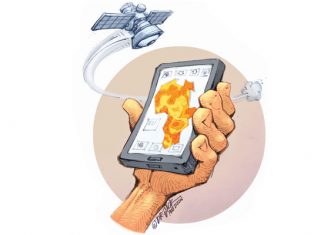
How satellite data can boost agriculture
The use of Earth observation has brought about dramatic improvements in agricultural practices and access to water. A new report published by the World Economic Forum details how Earth observations are fundamental to harnessing the innovations of the Fourth Industrial Revolution to support agricultural productivity growth across Africa.
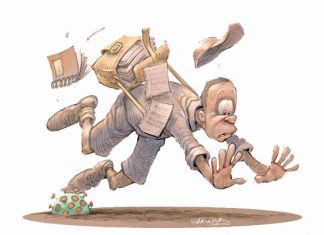
COVID-19 and disillusionment: the impending crisis of unskilled youths
The present generation of youth has endured a number of profoundly disruptive global events during their lifetime, the latest of which is the COVID-19 pandemic. Leaders need to initiate efforts to assist young people to acquire the tools, skills and rights to find work and cope in the post-pandemic world, or else risk having an angry and disillusioned ‘lost generation’, warns the latest Global Risks Report.
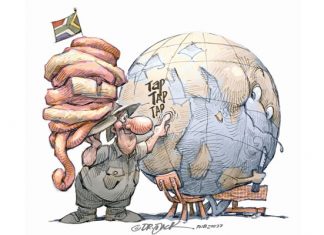
What SA’s red meat industry must fix before scaling up exports
Export markets offer potentially lucrative trade opportunities for South Africa’s red meat industry. However, to profit fully from such opportunities, stakeholders in the industry need to take careful note of the demands of consumers in importing countries. Dr Frikkie Maré, an agricultural economist with in-depth knowledge of the red meat value chain, explains what some of these are.
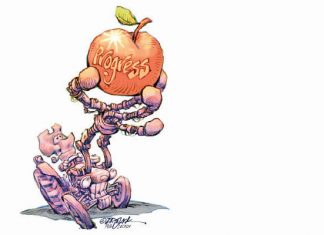
What hampers farm mechanisation in Africa?
Urbanisation, increased food demand, rising rural wages, and seasonal labour bottlenecks have led to the interest in promoting agricultural mechanisation in sub-Saharan Africa. A new report by the International Food Policy Research Institute looks at the lessons that Africa can learn from Asia in this regard.
The role of forests in global food security
The expansion of agriculture increases the risk of deforestation, which will not only have a negative impact on climate change mitigation, but also diminish food security for millions of desperately poor people. This report looks at the link between food security and forest ecosystems.
Understanding the role of the Maize Trust
The Maize Trust and various other boards are essential for research and development in the agriculture sector.
‘Agriculture must brag about its quality produce’
Mpumelelo Mkhabela, a political analyst, says that it is crucial for the South African agriculture sector to highlight the quality of its produce on international markets.
A return to normality beckons
Dr Roelof Botha, economic advisor to the Optimum Investment Group, explains the factors that leads him to believe that 2021 may be a return to greater normality.
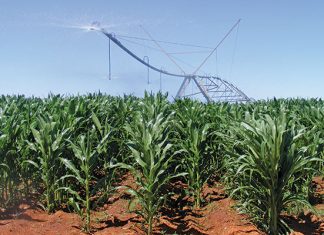
Agriculture in the year ahead
The past year has been tumultuous with poor economic growth and rising unemployment. However, the agriculture sector still offers huge opportunities for risk takers, says Theo Venter, an independent political and policy analyst.
Agricultural Development Agency: The story continues
The Agricultural Development Agency was launched in February 2020, but is already going full steam ahead to support the black farming sector and improve national food security.
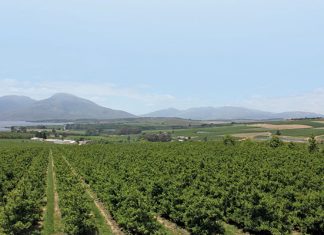
Expropriation without compensation: A looming catastrophe
A study commissioned by Agri SA shows that should land expropriation without compensation be pursued, South Africa’s economy will take a drastic turn for the worse.
- ADVERTISEMENT -
- ADVERTISEMENT -
MUST READS

- ADVERTISEMENT -