Latest articles
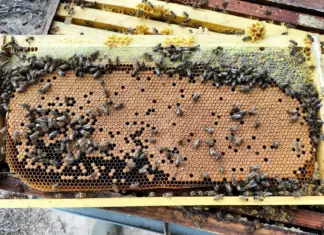
Honeybee health: Spot the warning signs before it’s too late
A bee colony can collapse suddenly, making it vital for beekeepers to recognise the warning signs and take preventative steps where possible to prevent losing their valuable colonies.
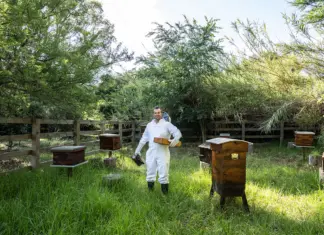
Plan ahead for successful pollination
Good pollination starts with good preparation. Babylonstoren beekeeper Arné Stander shares some key considerations and a practical checklist to make sure farmers are ready for flowering.
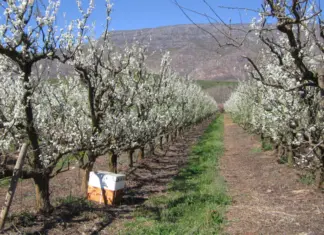
Getting pollination right by putting the bees where they can work
Honeybees are indispensable to commercial crop pollination, but simply putting hives in an orchard does not guarantee results. Honeybee researcher Mike Allsopp explains why colony strength, timing, placement, competing forage, and communication between grower and beekeeper all matter.

AI moves from experimentation to execution
South African agriculture will gain the greatest value from AI when businesses use it deliberately to strengthen human judgement, solve clearly defined problems, and improve data-driven decisions without surrendering responsibility, trust, or control.

Grid modernisation critical for AI development
South Africa’s expanding data-centre sector must be carefully aligned with the country’s constrained electricity grid, water resources, and municipal infrastructure.

Data centres becoming strategic AI assets
South Africa needs a balanced artificial intelligence (AI) infrastructure strategy that protects sovereign control over critical systems while using affordable international services where appropriate and ensuring that data-centre expansion does not impose disproportionate electricity, water or environmental costs on agriculture and surrounding communities.

Making every drop count on a Tuli Block farm
In Botswana’s Tuli Block, where farmers measure every millimetre of rain, Manjo Stiglingh has transformed almost 5ha of veld into a thriving food forest. She spoke to Farmer’s Weekly about harvesting water, rebuilding soil, and designing a resilient farming ecosystem.

Reframing sweetness in SA’s agricultural economy
Priya Seetal, sugar and health policy manager at the South African Sugar Association (SASA), spoke with Octavia Avesca Spandiel about the complex intersection between public health policy and the sustainability of South Africa’s sugar industry.

Brazilian agriculture is shifting global perceptions
Brazil is playing a vital role in the global agriculture space. Implementing modern agriculture practices while protecting the environment are at the heart of the sector.

How Eswatini smallholders are adapting to climate change
In rural Eswatini, shade netting protects Mbuso Vilakati's vegetable patch from the harsh sun, one of several ways farmers are adapting to increasingly unpredictable weather. Farmer's Weekly spoke to him, other farmers, and role players about the challenges they face.

How to conserve moisture in dryland farming systems
In South Africa's dryland farming systems, successful farmers aren’t necessarily those who receive more rain but those who lose less of it. Farmer’s Weekly spoke to Prof Nomali Ngobese and Prof Jacques Berner of North-West University about how producers can conserve more moisture in their soils.
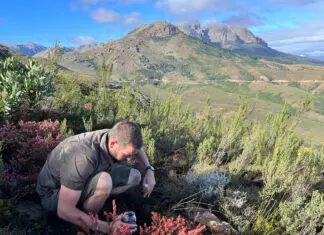
South African project to explore the hidden value of fungi
Fungi are the engines of soil health, says University of Pretoria mycologist Prof Cobus Visagie. He spoke to Farmer's Weekly about how a better understanding of fungi will give farmers and agronomists a much stronger foundation for conservation agriculture.
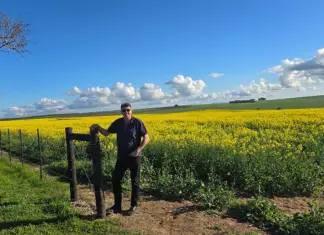
Locally developed biochar-rock blend attracts global interest
Farmer’s Weekly in 2024 reported on promising field trial results for RegenR8, a plant growth enhancer combining biochar and volcanic rock, on wheat at Tygerhoek Research Farm near Riviersonderend in the Western Cape. Clayton Postma spoke to Glenneis Kriel about the latest developments with the product and shared his thoughts on how it is working.
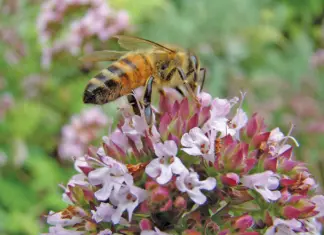
How beekeepers can boost their hives with the right forage and care
Just as livestock farmers must manage herd health and nutrition, so must beekeepers nurture their bees to keep them in top shape. Lindi Botha reports on how beekeepers can ensure optimally productive hives.
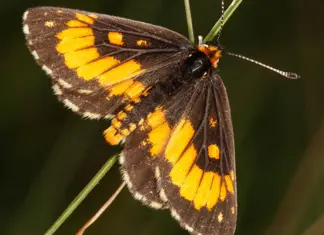
Farmer secures SA’s first butterfly conservation servitude
The demarcation of South Africa’s first butterfly conservation servitude on a property owned by Letsitele farmer Gustav Van Veijeren marks a positive step for rare species protection. He and Etienne Terblanche, a Lepidopterists’ Society of Africa custodian, spoke to Farmer’s Weekly.
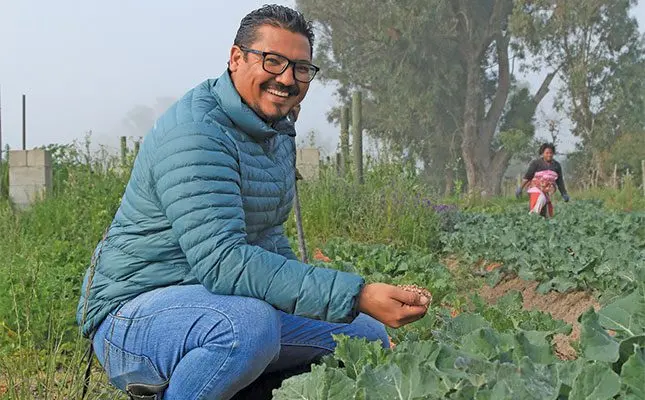
Farming with friends: Marman’s companion planting philosophy
Angelo Marman is a farmer with big dreams for himself and his community. He knows, however, that these dreams will only bear fruit with the help of the right companions, both in his vegetable beds and in his business ventures.
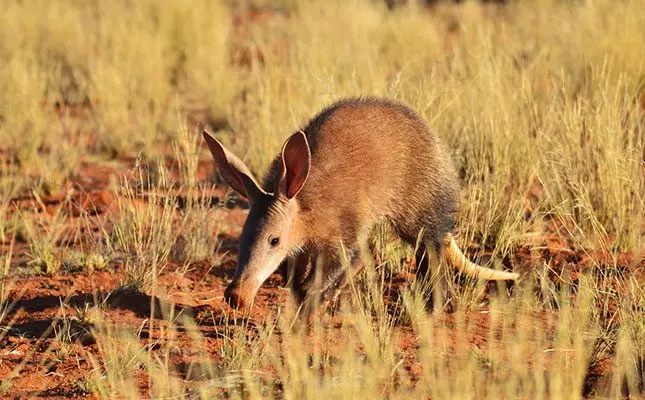
How aardvark burrows could unite farming and conservation
For many farmers, conservation has long felt like a trade-off, as more land for wildlife often means less land for crops or grazing. But new research from the University of Pretoria shows agriculture and conservation can coexist.
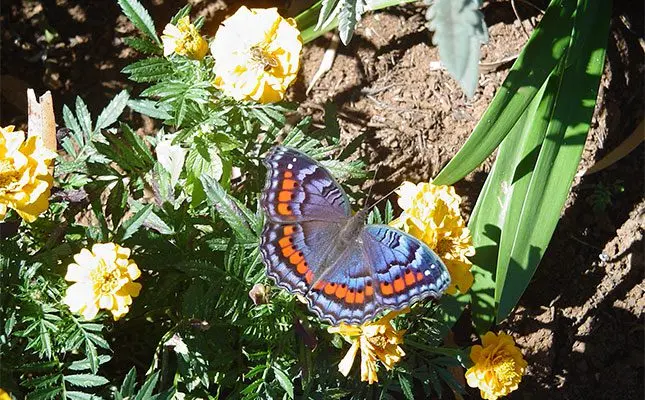
Butterflies: essential and often overlooked pollinators
Butterflies are regarded as less efficient pollinators than bees. However, in some instances, their services have even greater value.
Biotech to play pivotal role in future of SA crop production
Biotechnology is set to transform South African crop production over the next two decades. Chantel Arendse, plant biotechnology lead at CropLife South Africa, unpacks how genome editing, drought-tolerant traits, and regulatory reform can help farmers boost yields, improve sustainability, and remain competitive.

Biotech can help make crops more resilient to extreme weather
Plant biotechnology uses tools like genetic modification and bioengineering to enhance crops’ resilience, nutritional value, and sustainability in the face of challenges like climate change. Biosafety South Africa’s Dr Hennie Groenewald spoke to Octavia Avesca Spandiel about how this technology can shape the future of crop farming around the world, stressing that field testing and commercialisation are the next critical steps.