

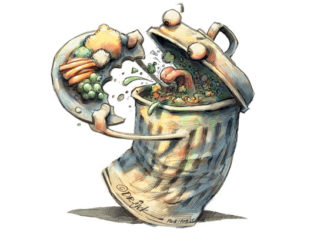
Big food waste while people go hungry
South Africa’s food poverty line, also known as the extreme poverty line, which refers to the amount of money that an individual will need to afford the minimum required daily energy intake, has increased from R547 (figures adjusted for inflation) in 2018 to R561 this year.
Getting South Africa ‘unstuck’ on land
Feeling stuck in life is awful. It is demoralising, makes you unproductive, leaves you feeling gloomy about the future, and the longer you remain stuck the more difficult it becomes to escape.
A new old broom for agriculture
I was left with two overwhelming impressions after reading through Agriculture Minister Thoko Didiza’s Budget Vote speech for the Department of Agriculture, Land Reform and Rural Development that was delivered in Parliament recently.
Low prices: a plague for farmers
If I had to draw a single conclusion from the ‘Agricultural Outlook: 2019 to 2028’ published by the Organisation for Economic Co-operation and the Food and Agriculture Organization of the United Nations at the beginning of July, it would be that South African farmers will require much better assistance from government if they are to remain globally competitive.
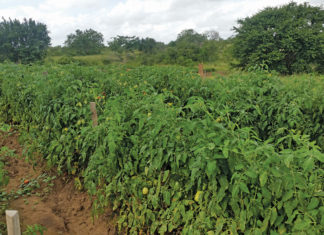
How to turn Africa’s food fortunes around
Should African countries fail to increase food production and processing to become at least partly self-sufficient, it will be one of the greatest missed opportunities of the century.
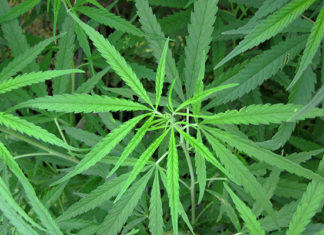
Cannabis industry is in need of legislation
Almost two years have passed since Farmer’s Weekly first published an article exploring the potential to establish a legal farming industry in South Africa for the production of medicinal cannabis.
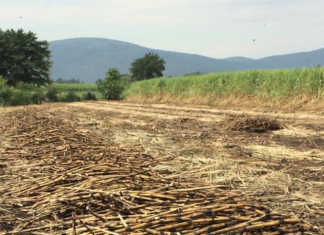
SA’s sugar industry is in a meltdown
It would not be fair to say that the dramatic unravelling of Tongaat Hulett these past weeks was caused solely by the larger crisis facing South Africa’s sugar industry.
Our sorry, calloused souls
Any person who has endured tragedy will know that bewildering feeling that settles in soon after the traumatic event when you realise that for other people, and the world around you, life simply moves on, and this only amplifies the tragedy for those who are touched by it.
A better agri trade deal for Africa
The Agribusiness Africa Conference will be hosted by Farmer’s Weekly for the third time this year in Johannesburg on 10 July.
Who should you vote for in the general election on 8 May?
From halting agricultural imports to bringing agriculture back to schools and the gathering of a great many minds for a land CODESA, these proposals are all contained in the many promises made by political parties as to how they will ensure that agriculture thrives and land is shared fairly should they be voted into power.
Losing the food security fight
Despite significant improvements in agricultural production over the last two decades, food insecurity has been on the rise for the past three years.

Agri training falling further behind
A widely held sentiment among farmers and agribusiness leaders is that South African agricultural colleges can no longer be trusted to produce appropriately trained, technically skilled professionals.
Who will pay to save the planet?
According to the Estimates of National Expenditure, which was tabled along with the budget in Parliament when Finance Minister Tito Mboweni delivered his budget speech recently, the money allocated to the Department of Environmental Affairs (DEA) for its climate change and biodiversity and conservation programmes does not inspire much confidence that South Africa will be able to adequately protect itself from the looming global crisis of total environmental breakdown.
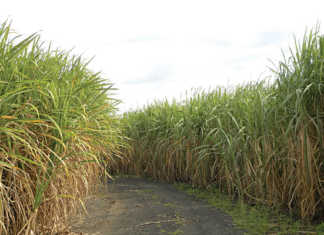
The sugar crisis is your problem
The South African sugar industry is facing a crisis, and the South African Cane Growers’ Association warns that this R14 billion/ year industry is in danger of “imminent collapse, putting 350 000 jobs at risk”.
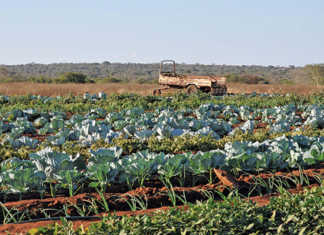
Co-ops are making a comeback
The farming sector has a long tradition of depending on co-operative models that, in essence, offer groups of smaller or medium-sized farmers the same scale of benefits that would otherwise have been available to only large, corporate farming businesses.
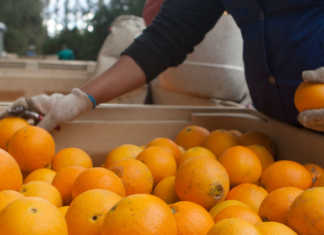
SA farmers need SAA-sized bailout
When agriculture sneezes, the whole economy catches a cold, the saying goes. We saw clear proof of this in 2018, when South Africa experienced a technical recession after the country’s GDP declined during each of the first two quarters of the year due to a massive drop in agricultural output.
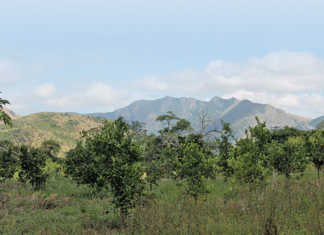
Saving our medium-sized farms
Last year, the UN General Assembly proclaimed the Decade of Family Farming for the period from 2019 to 2028. The purpose of this initiative is to provide a framework for countries to develop public policies and investments to support family farming.
Years of heightened uncertainty
South Africa ended the year with some good news when fuel prices, which had soared to record highs in November, came down sharply in December, and Statistics South Africa announced that positive performance in the agriculture sector in the third quarter (Q3) of 2018 had helped lift the economy out of a technical recession.
Degrees: a poor indicator of ability
At the end of November, the Twitter feed of South Africans interested in local politics was briefly overrun by the fracas between EFF and DA members of Parliament over DA chief whip John Steenhuisen’s lack of university qualifications.
How long can SA’s farmers last?
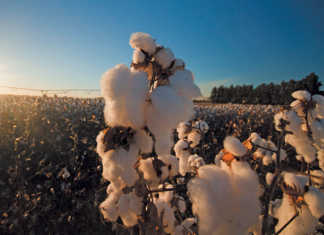
South Africa is not an easy place to farm. Even if you ignore the threat posed by radical land reform, most farmers in this country still have to contend with relatively poor-quality soils, erratic rainfall that leads to frequent droughts, tough competition from countries that have better production conditions and state support, and the devastating impact of crime on their businesses and families.
- ADVERTISEMENT -
- ADVERTISEMENT -
MUST READS

- ADVERTISEMENT -



